For many years, home decor was considered nothing more than a finishing touch. When people renovated or furnished a new home, they focused on walls, flooring, furniture, lighting, and household appliances. Decorative accessories were usually purchased last—if there was any budget left.
Today, that mindset has changed dramatically. Home decor is no longer viewed as an optional luxury. It has become an essential part of modern interior design because it shapes the atmosphere of a space, reflects personal style, and directly influences how people feel in their everyday environment.
People no longer purchase decorative pieces simply because they look attractive. They invest in comfort, emotions, and the feeling of coming home to a place that truly represents them. That is why home decor has become an investment in quality of life rather than just another shopping expense.
How Our Relationship With Home Has Changed
Over the last decade, our homes have evolved far beyond their traditional purpose. They are no longer simply places to sleep after work. Instead, they have become multifunctional environments where we work remotely, spend time with family, relax, entertain guests, and create lasting memories.
As a result, people have started paying much more attention to how their homes make them feel. Interior design is no longer only about functionality—it is equally about creating a pleasant emotional experience.
Modern homeowners now ask different questions:
- Does my living room feel welcoming?
- Do the colors create harmony?
- Is my home visually relaxing?
- Does the space reflect my personality?
- Would I enjoy spending more time here?
The answers to these questions often depend on carefully selected decorative elements rather than expensive furniture alone.
Why Does Our Environment Affect Our Mood?
Environmental psychology studies how physical spaces influence human emotions, behavior, productivity, and well-being. Numerous studies suggest that the places where we spend the most time have a measurable impact on stress levels, concentration, creativity, and overall happiness.
Imagine two apartments with exactly the same layout and furniture.
The first apartment contains only the essentials: a sofa, television, dining table, and wardrobe.
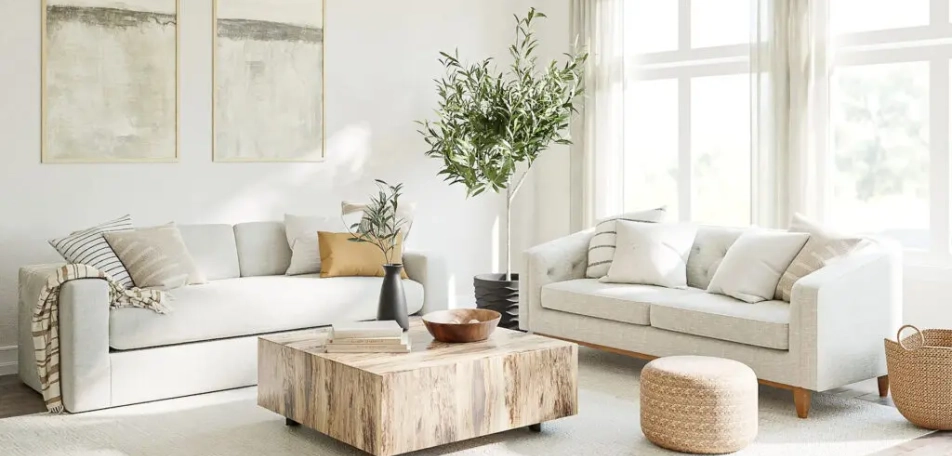
The second apartment includes decorative vases, sculptures, candles, indoor plants, artwork, textured accessories, and carefully selected lighting.
Although both apartments may have cost the same to furnish, the second immediately feels warmer, calmer, and more inviting.
That difference is created by decoration—not by functionality.
People No Longer Buy Furniture Alone
Furniture provides functionality, but decoration creates personality.
Professional interior designers often describe furniture as the foundation of a home, while decorative accessories complete the story.
Without decorative elements, even expensive interiors can feel unfinished or impersonal.
Today's homeowners pay close attention to:
- Natural textures
- Organic shapes
- Balanced color palettes
- Minimalist styling
- Ceramic objects
- Decorative sculptures
- Modern vases
These details transform an ordinary room into a space with identity and character.
People Don't Buy Objects—They Buy Feelings
One of the most important principles of modern consumer psychology is that people rarely purchase products solely for their practical value.
When someone buys a premium smartphone, they are not simply buying hardware—they are buying convenience, confidence, and experience.
The same principle applies to home decor.
When someone purchases a decorative vase or sculpture, they are actually investing in:
- Comfort
- Peace of mind
- Beauty
- Personal expression
- A welcoming atmosphere
- The joy of coming home every day
That emotional value is what makes home decoration so meaningful.
Why Home Decor Is an Investment Rather Than an Expense
Many people still consider decorative accessories unnecessary purchases. However, unlike many products that are used occasionally, home decor influences us every single day.
We see our living spaces every morning, every evening, while working, relaxing, or spending time with loved ones.
A carefully designed environment quietly improves our daily experience without demanding attention.
This is exactly why quality decorative accessories continue to grow in popularity around the world. They do not simply fill empty shelves—they improve how a home feels.