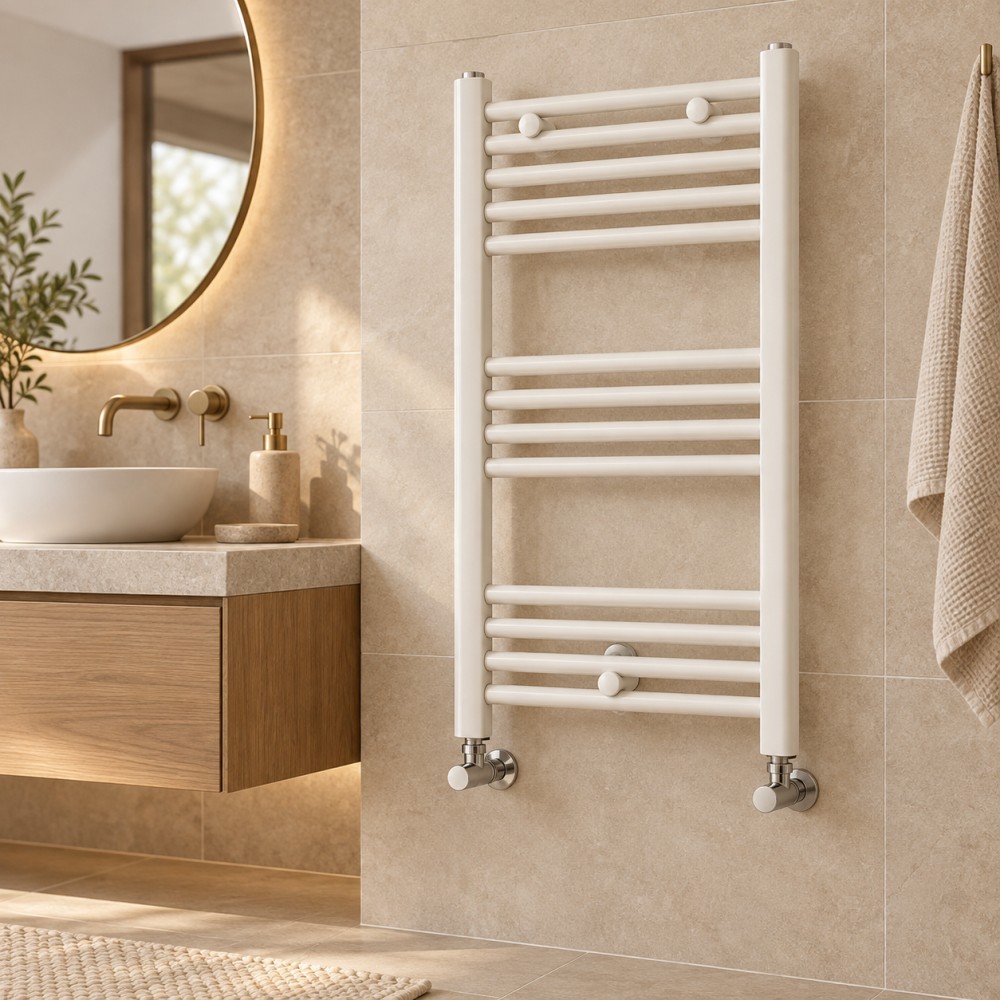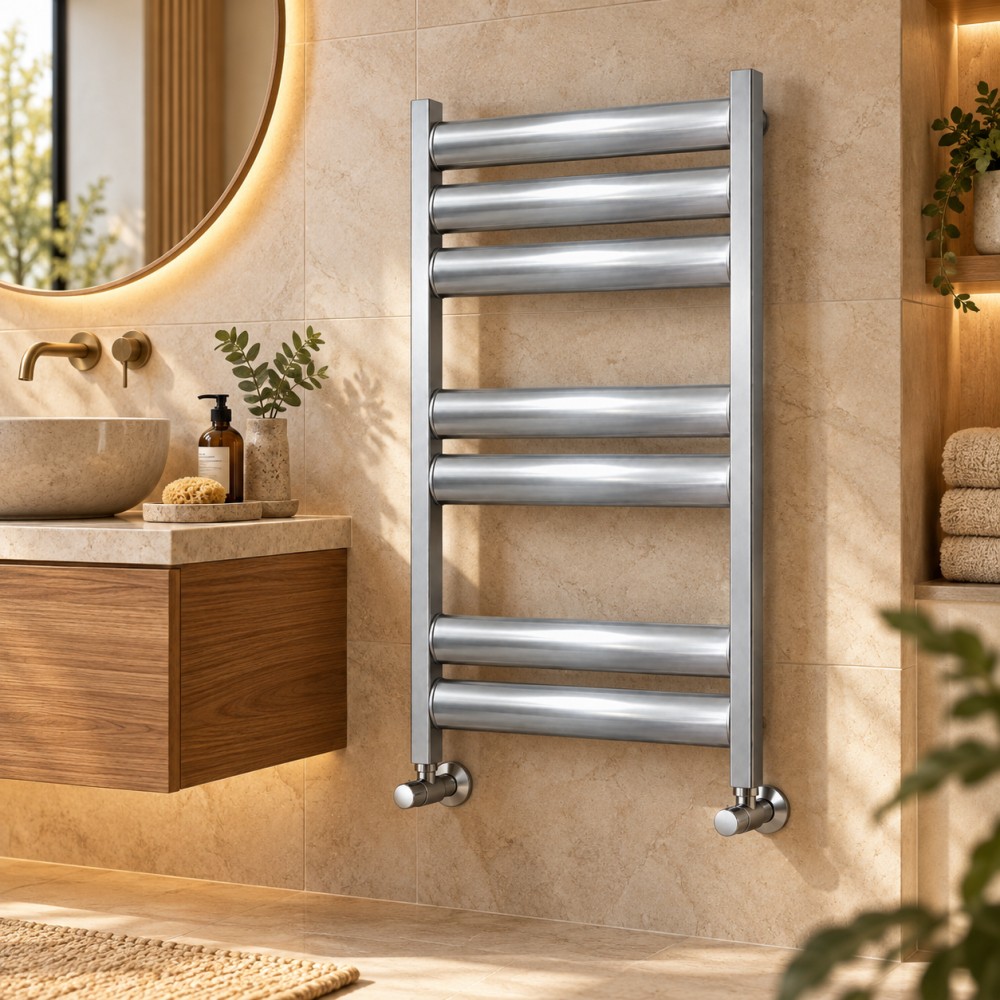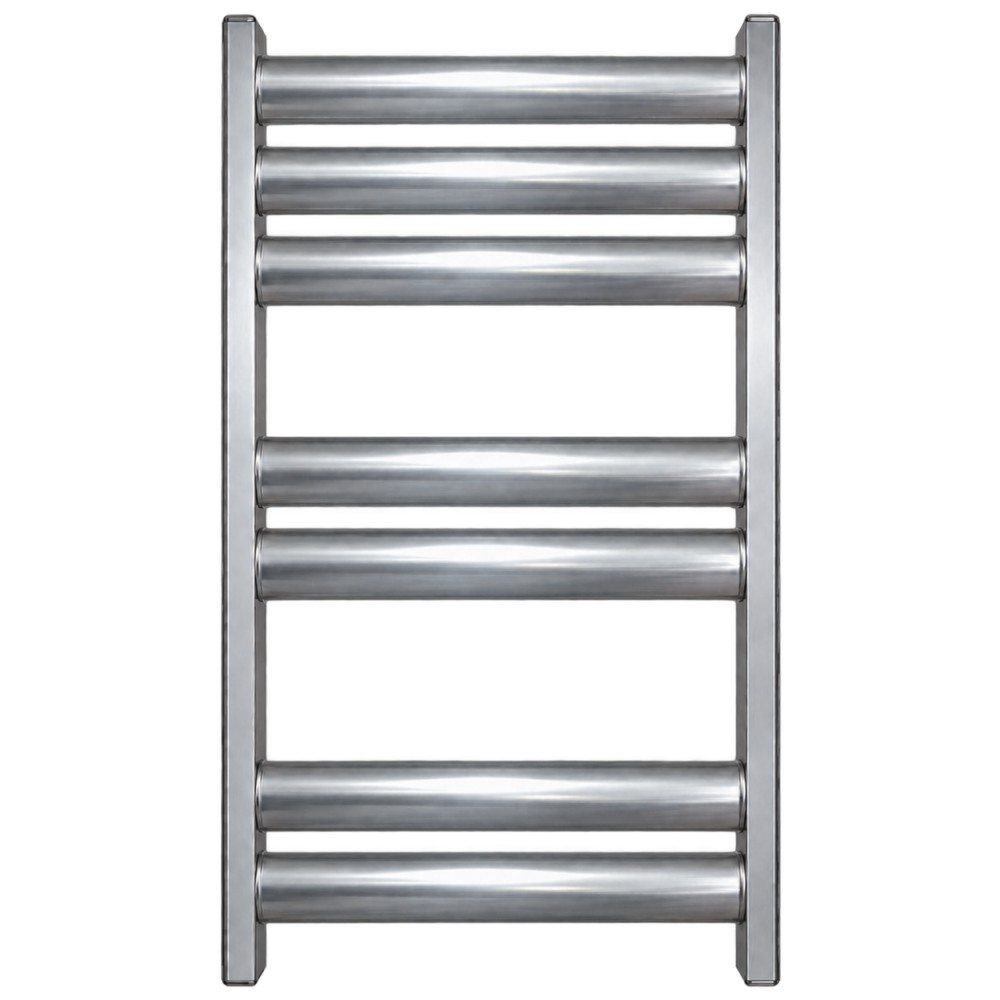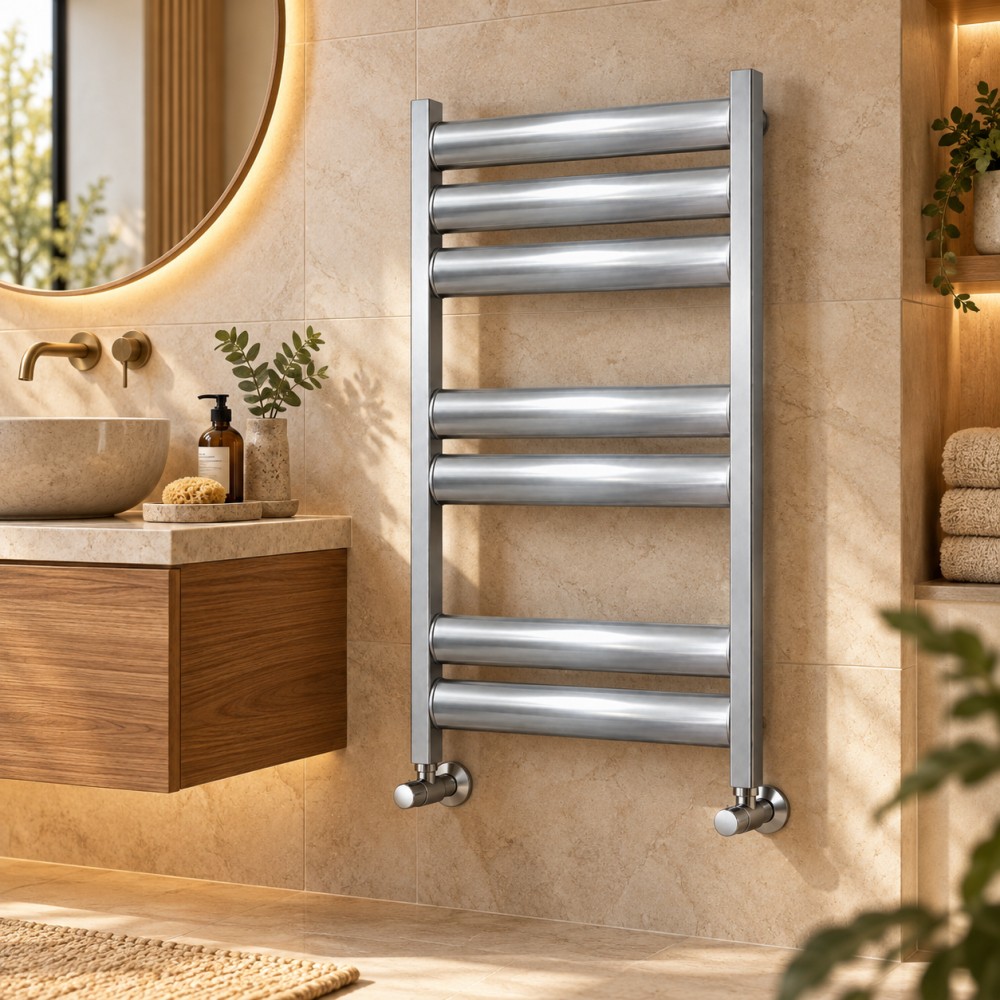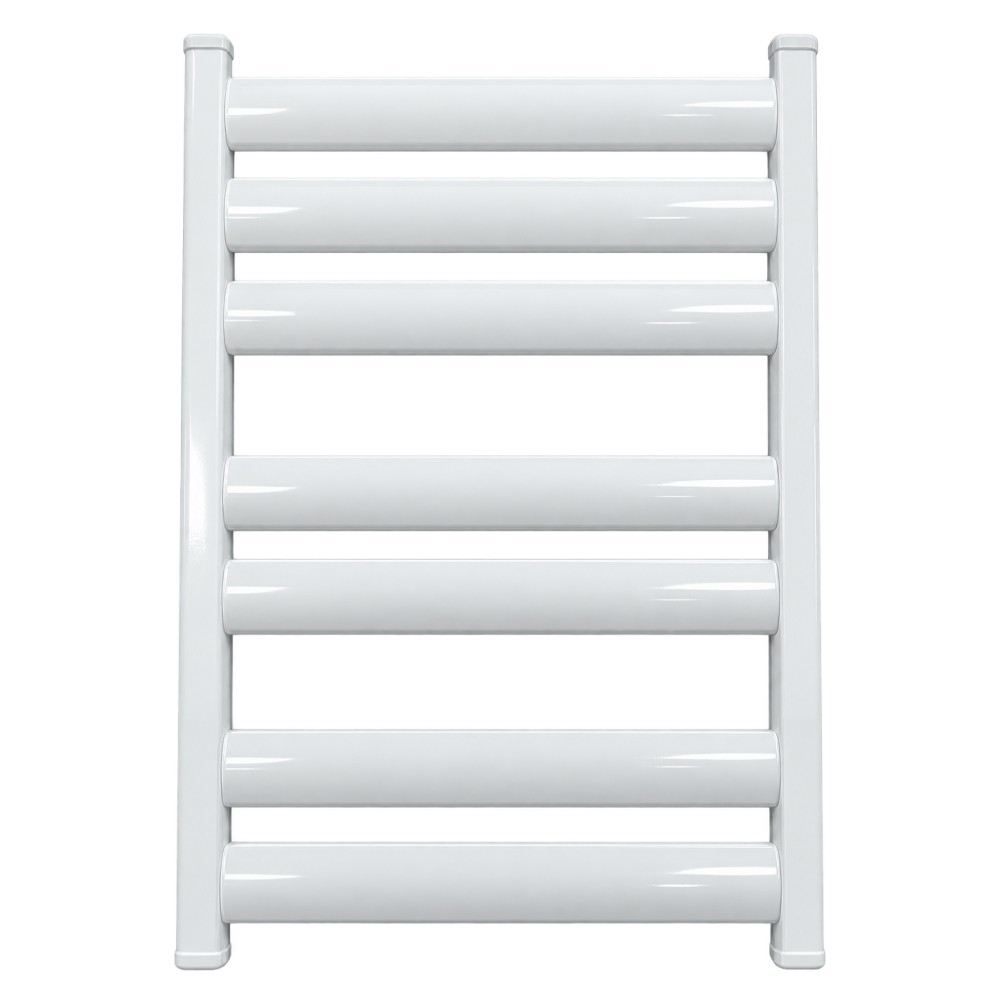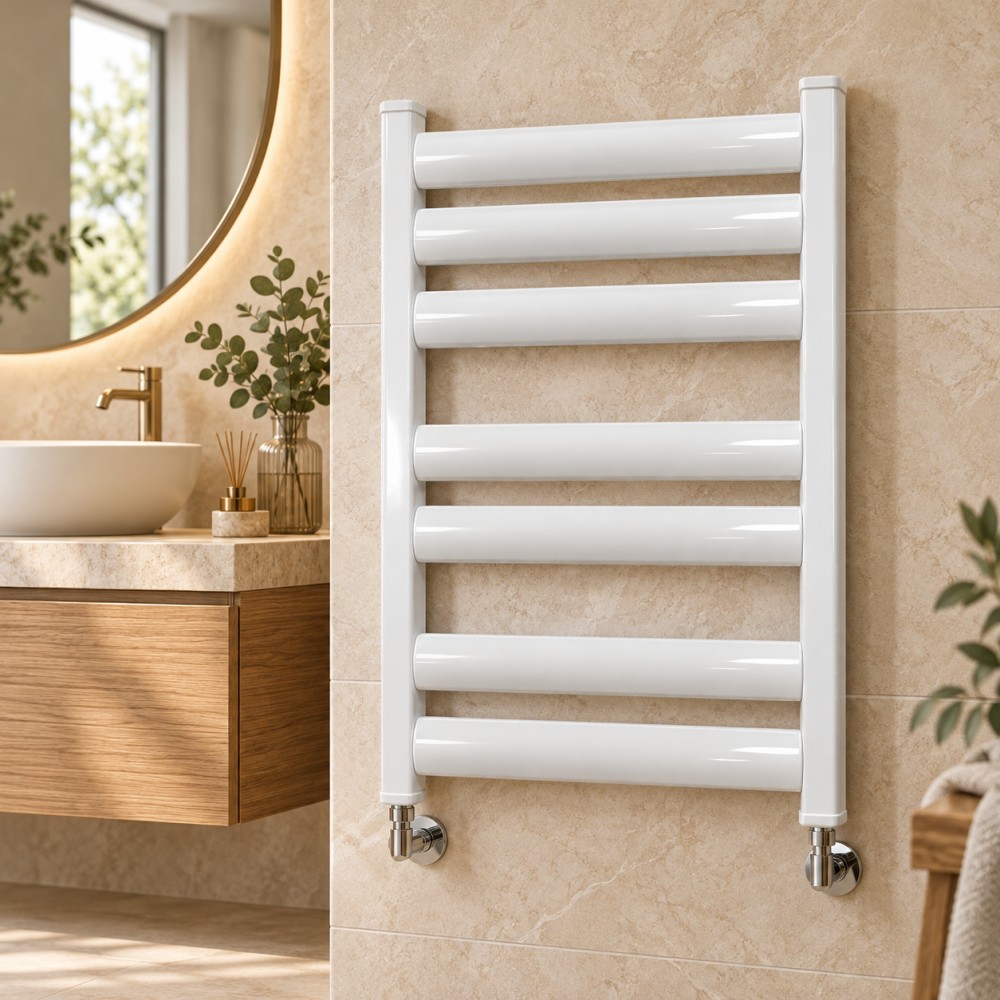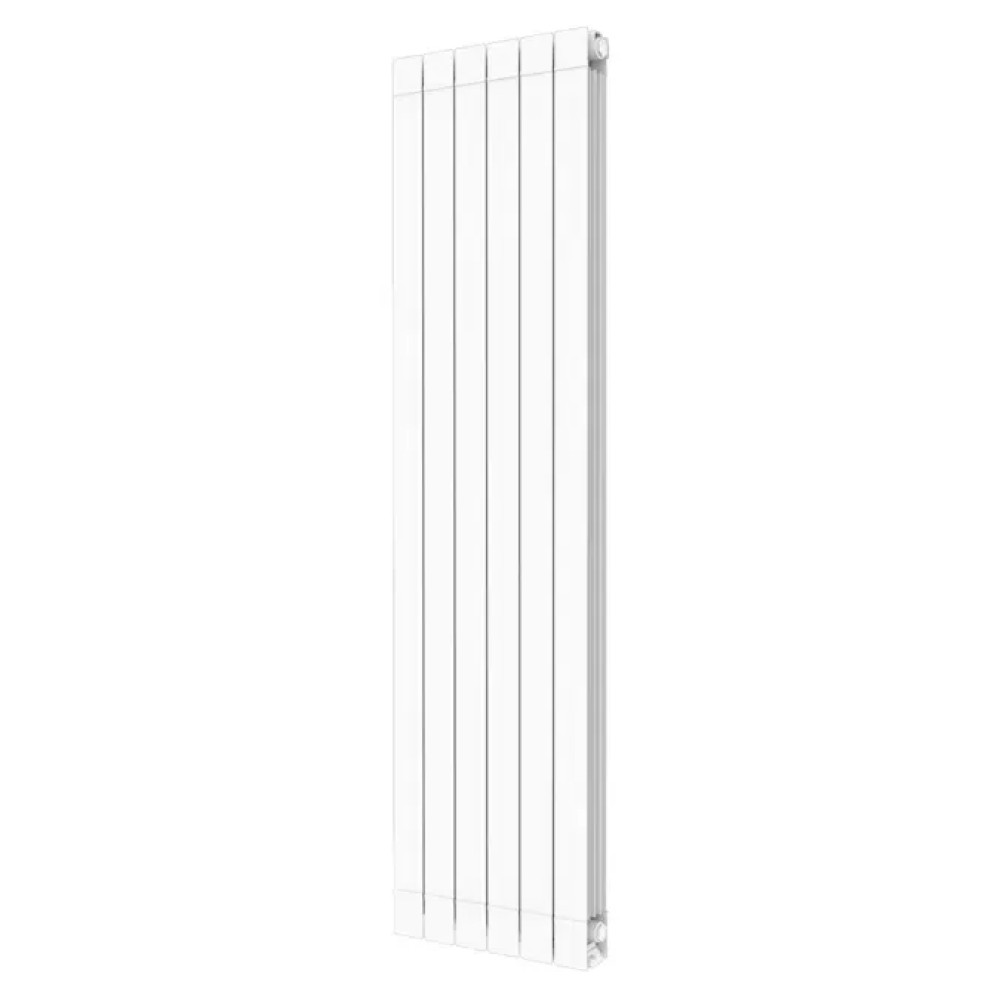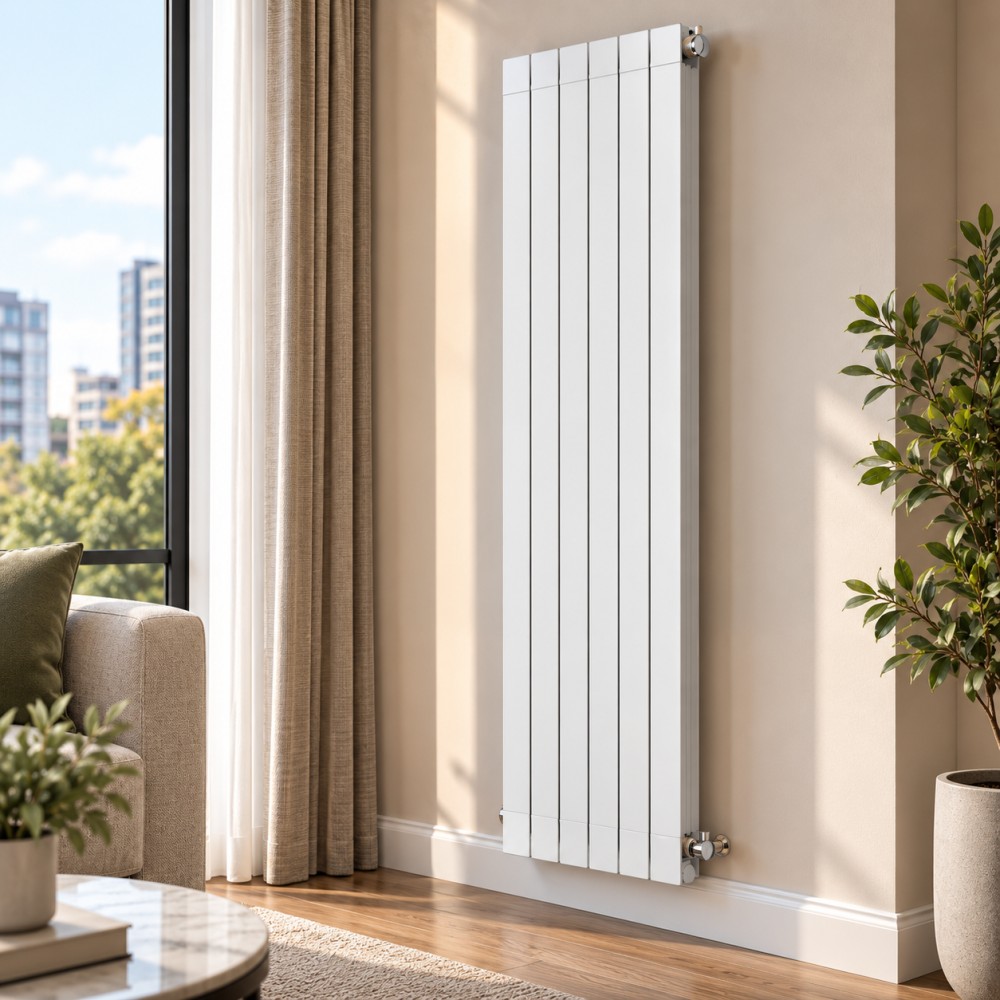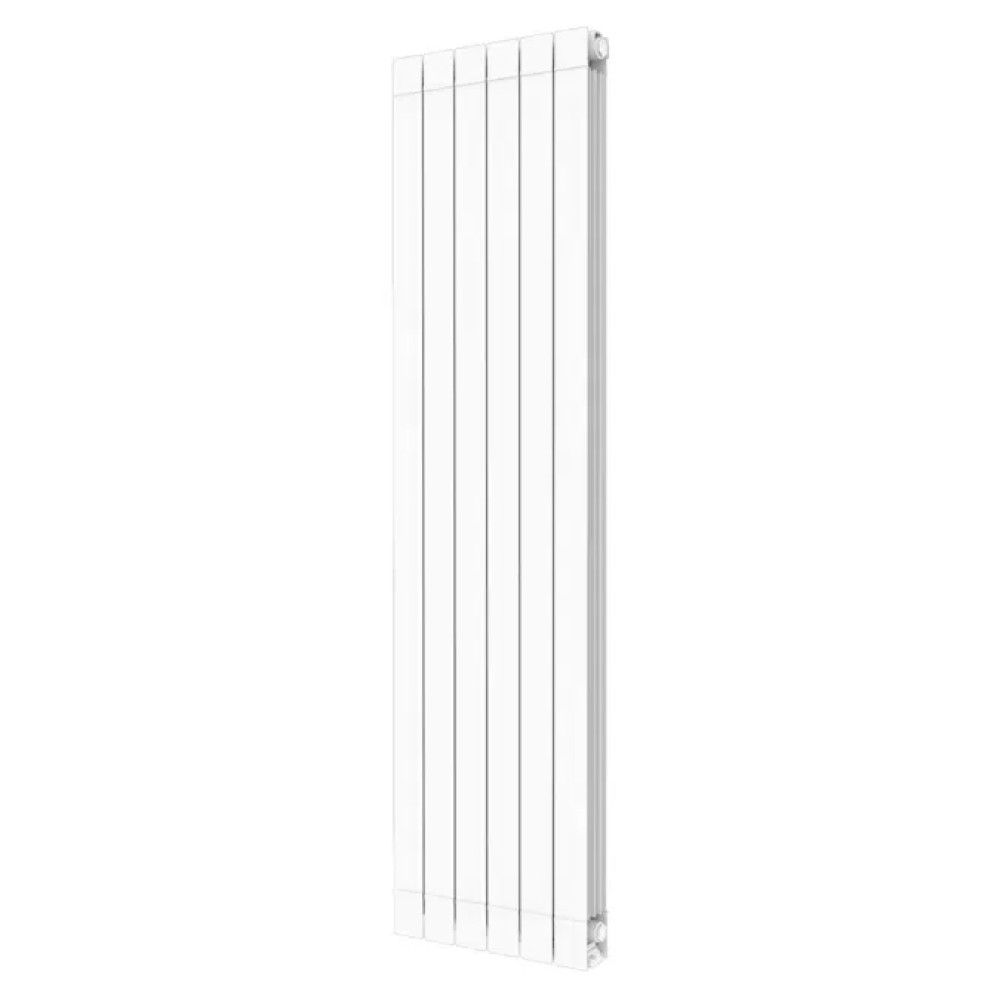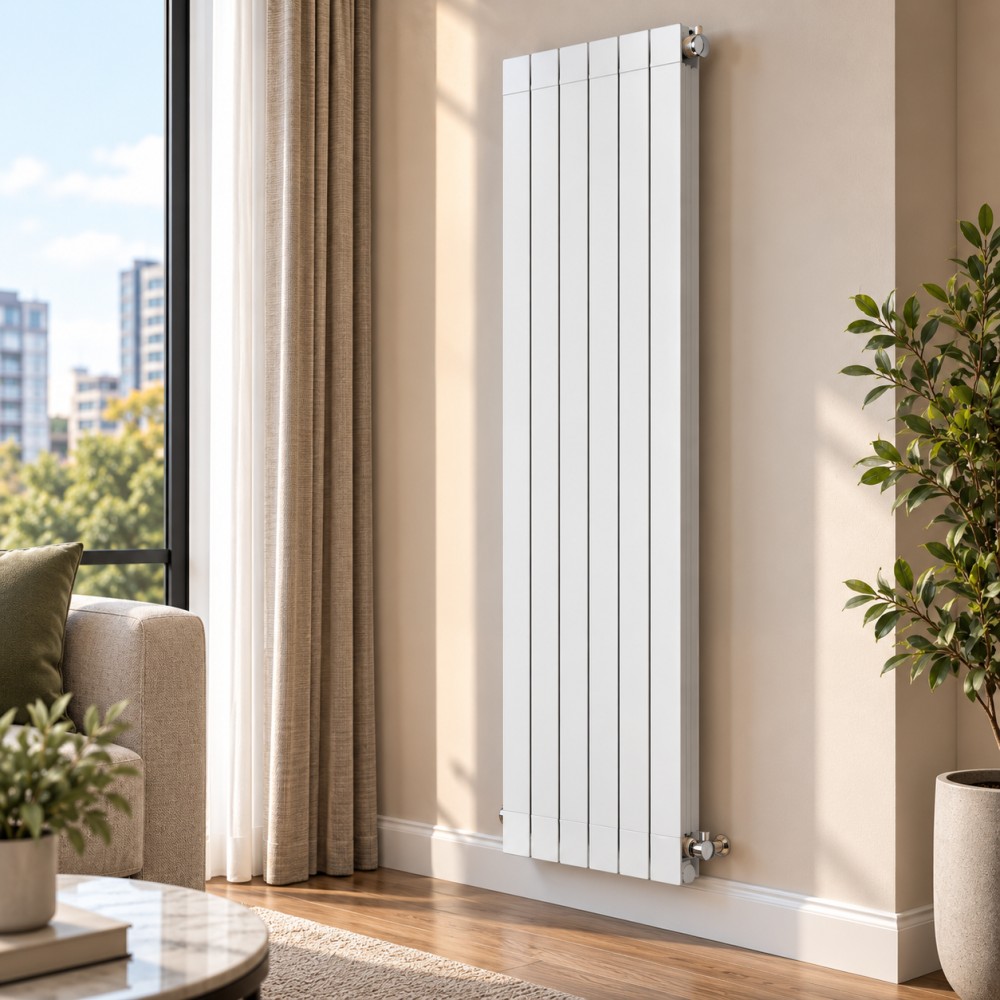
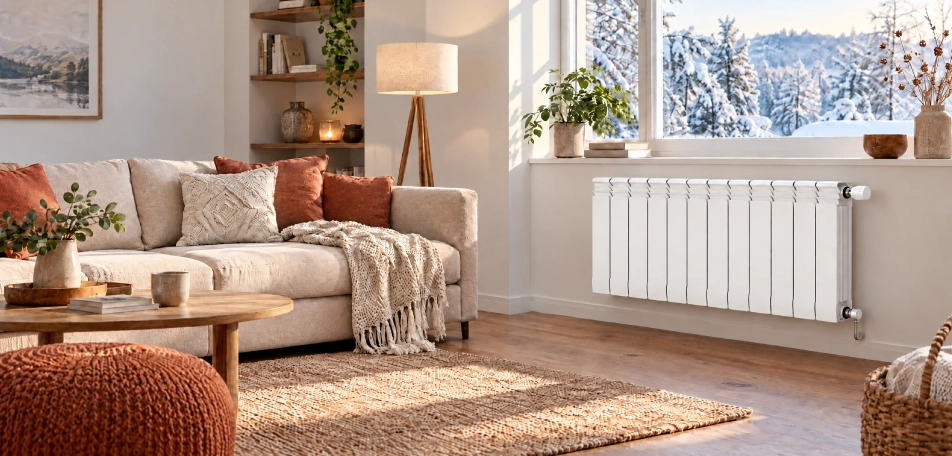
In a contemporary home, heating should not be viewed only as a technical system. A radiator remains permanently visible, so its dimensions, proportions and position influence the overall appearance of the room.
A correctly selected sectional radiator can fit naturally into the interior without creating a conflict between heating and modern design.
In this guide, we look at how a radiator relates to walls, furniture, curtains and decor, and why its location should ideally be planned at an early stage.
Why is a radiator part of the interior?
Every large, permanently visible object contributes to the visual composition of a room.
This applies not only to sofas, tables, cabinets and lighting, but also to heating elements.
When a radiator occupies a noticeable section of wall, its proportions can influence the room in much the same way as a piece of furniture.
Contemporary home improvement therefore connects functional products with thoughtful interior planning.
Technical requirements come first
Appearance matters, but the primary purpose of a radiator is to provide the heating output required by the room.
A visually perfect model is not the right choice if its output is insufficient for the space.
Required output, number of sections and heating-system compatibility should be determined first. Dimensions, height and visual proportions can then be considered.
Radiator size and wall proportions
One of the main design considerations is the relationship between the radiator and the wall where it will be installed.
A very small radiator can appear lost on a wide wall, while an oversized model may visually dominate a narrow space.
Measure the available wall area together with the planned furniture layout before deciding on the final dimensions.
Low or tall sectional radiator?
The decision should first be based on the required heating output.
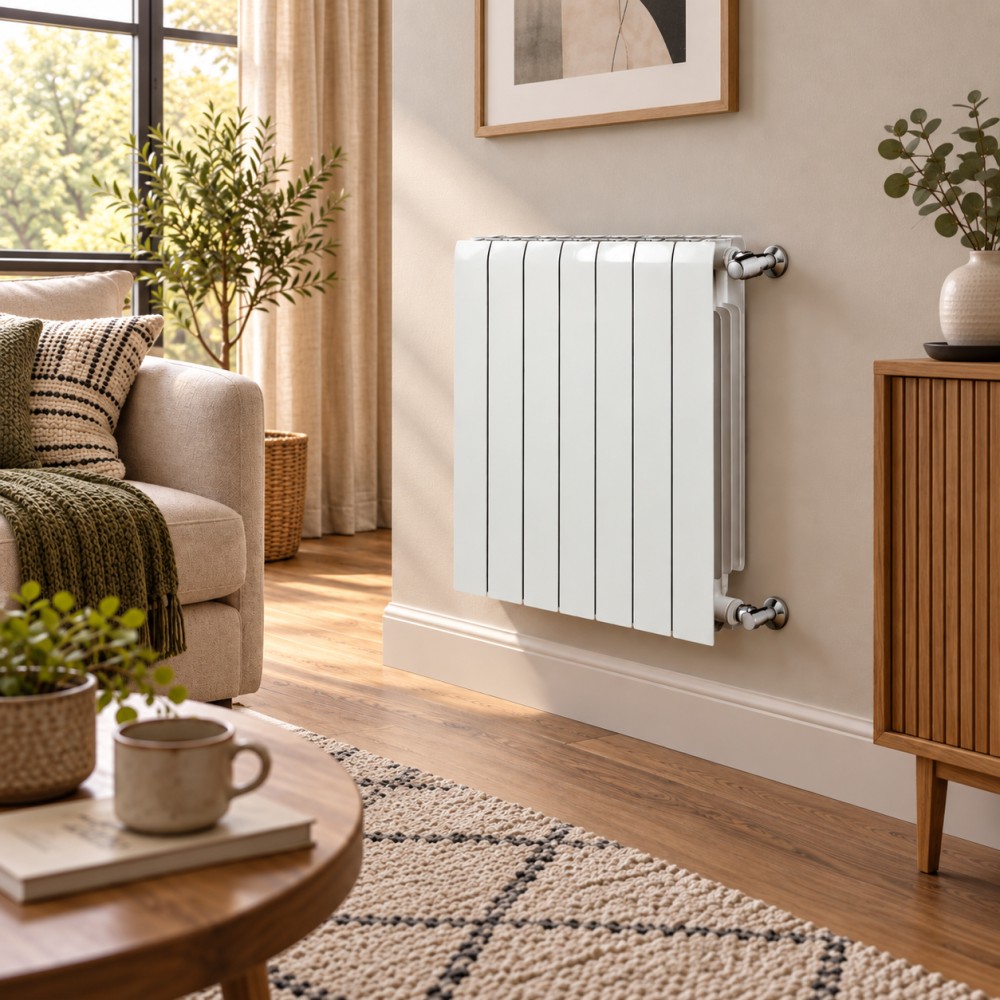
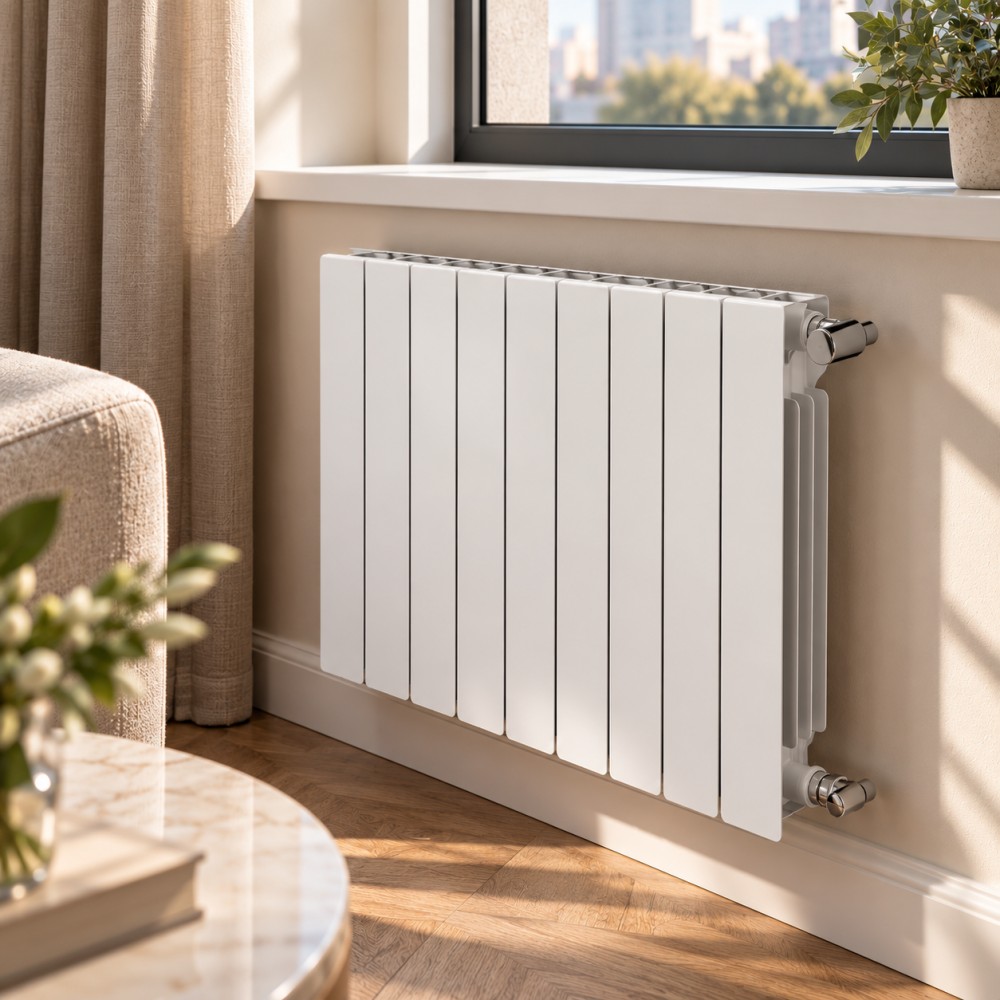
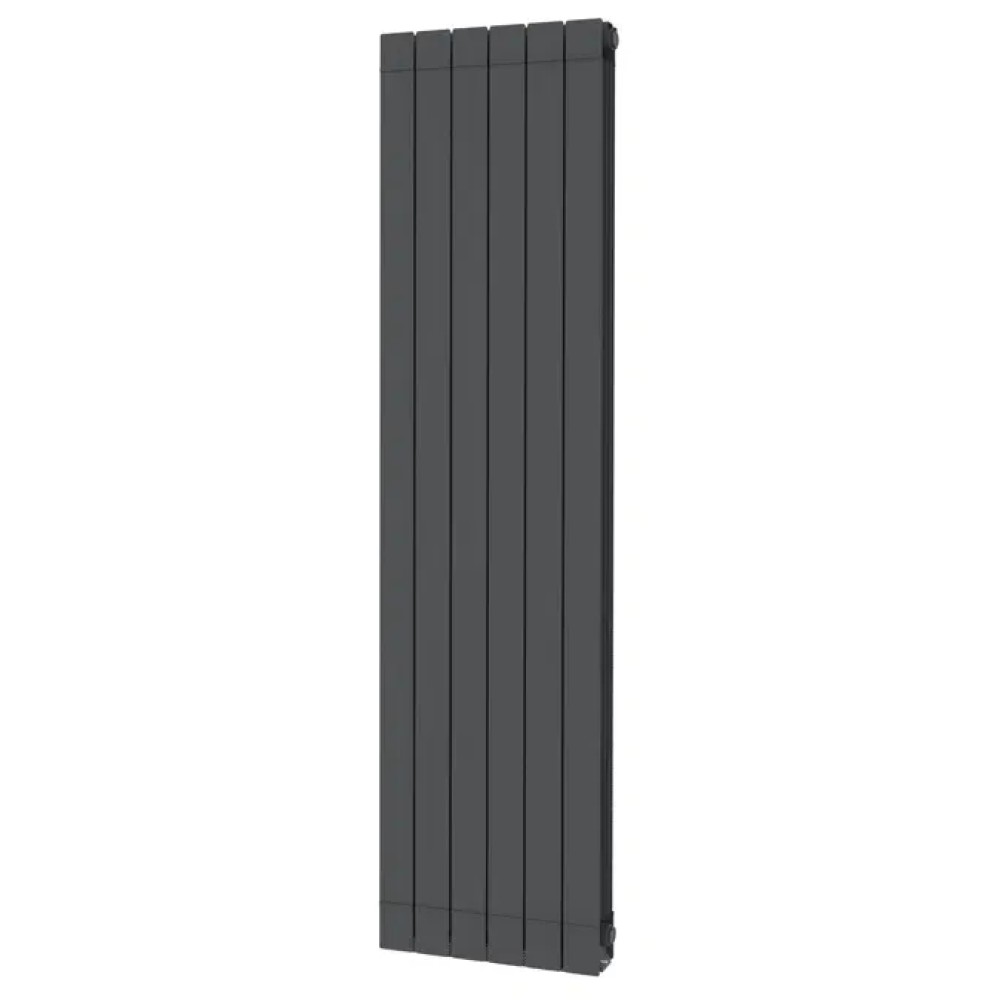
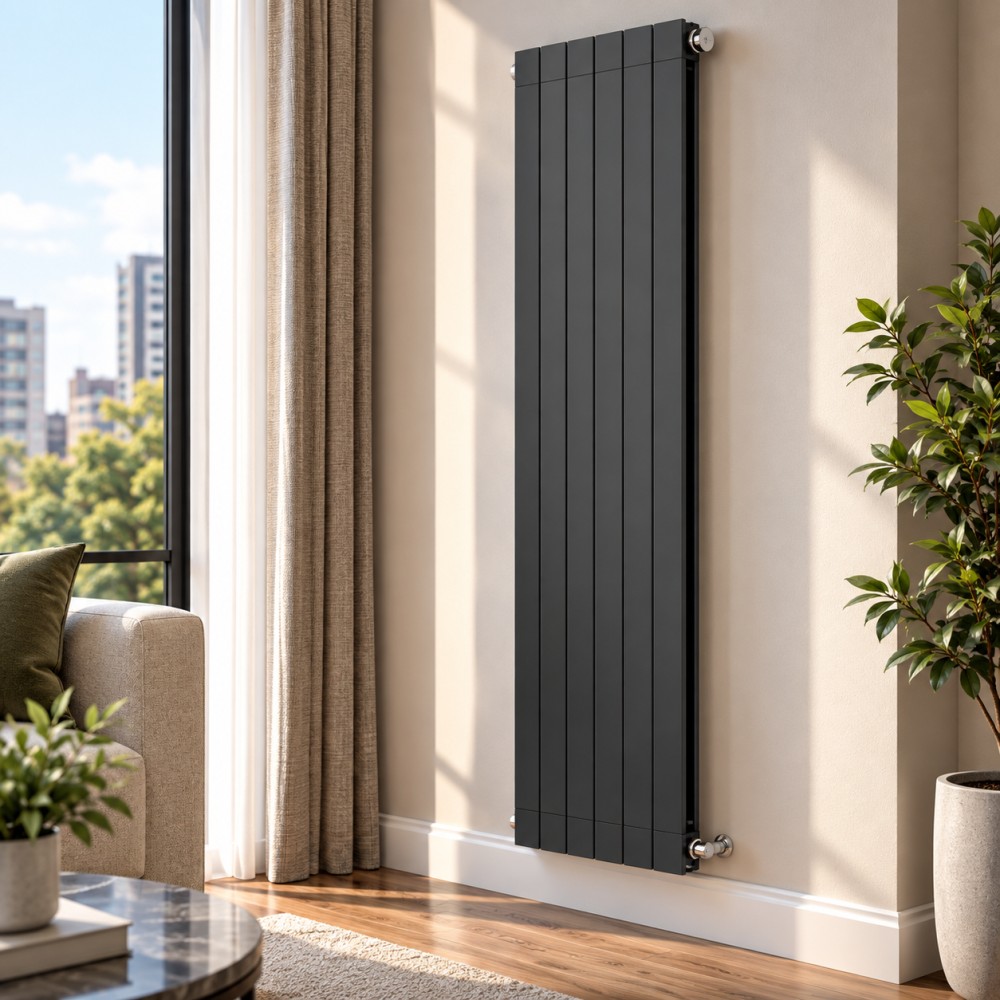
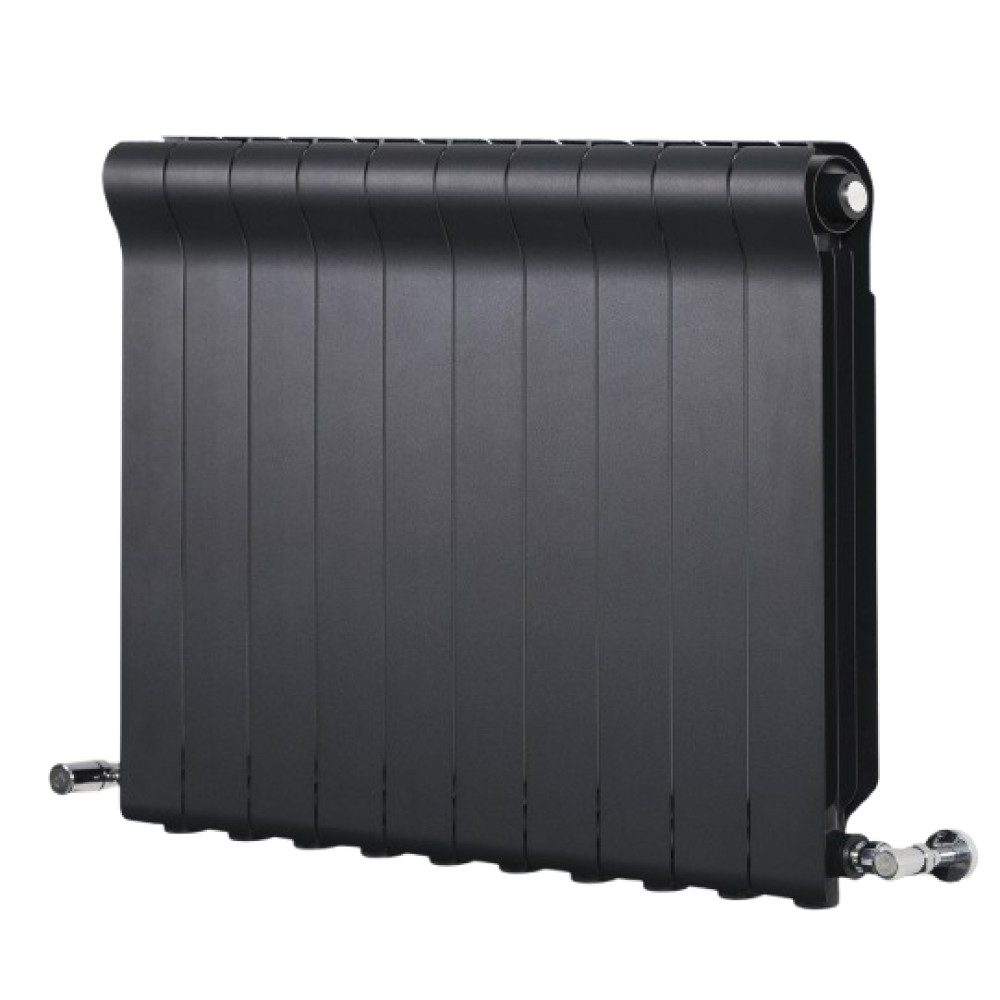
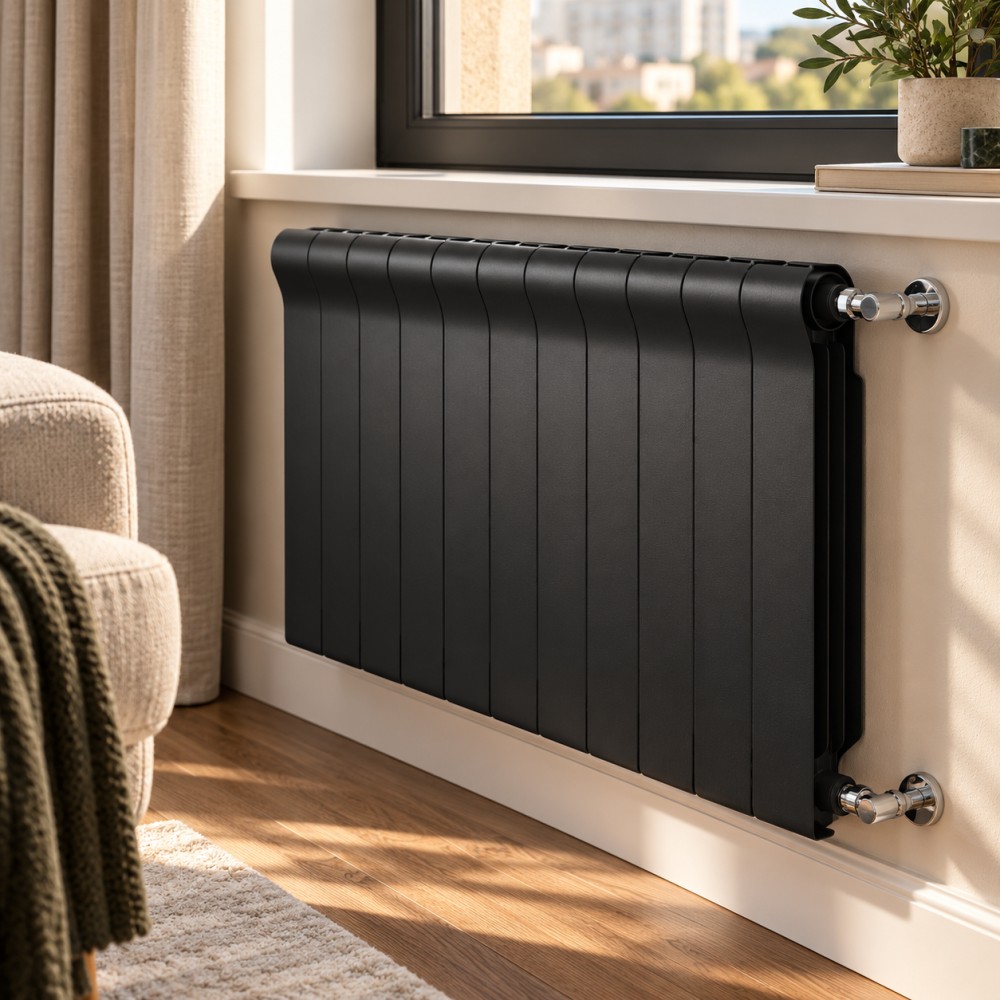
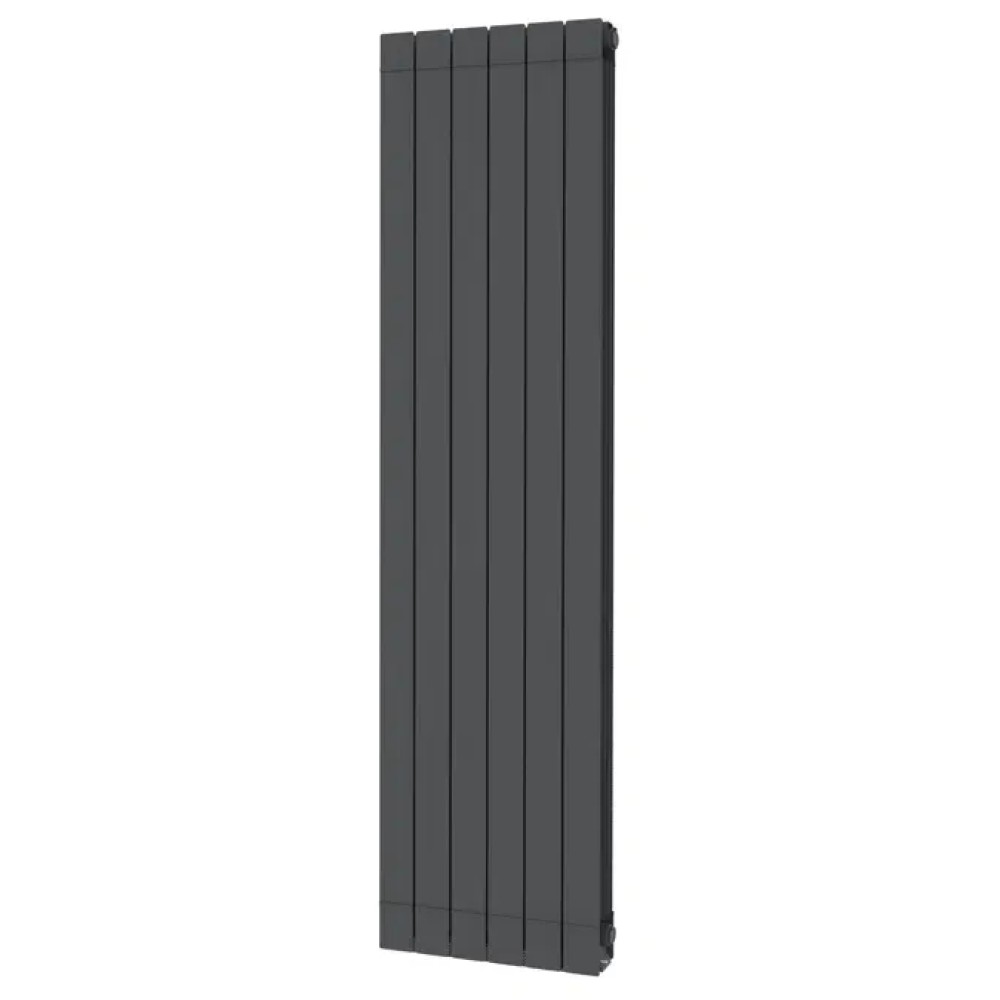
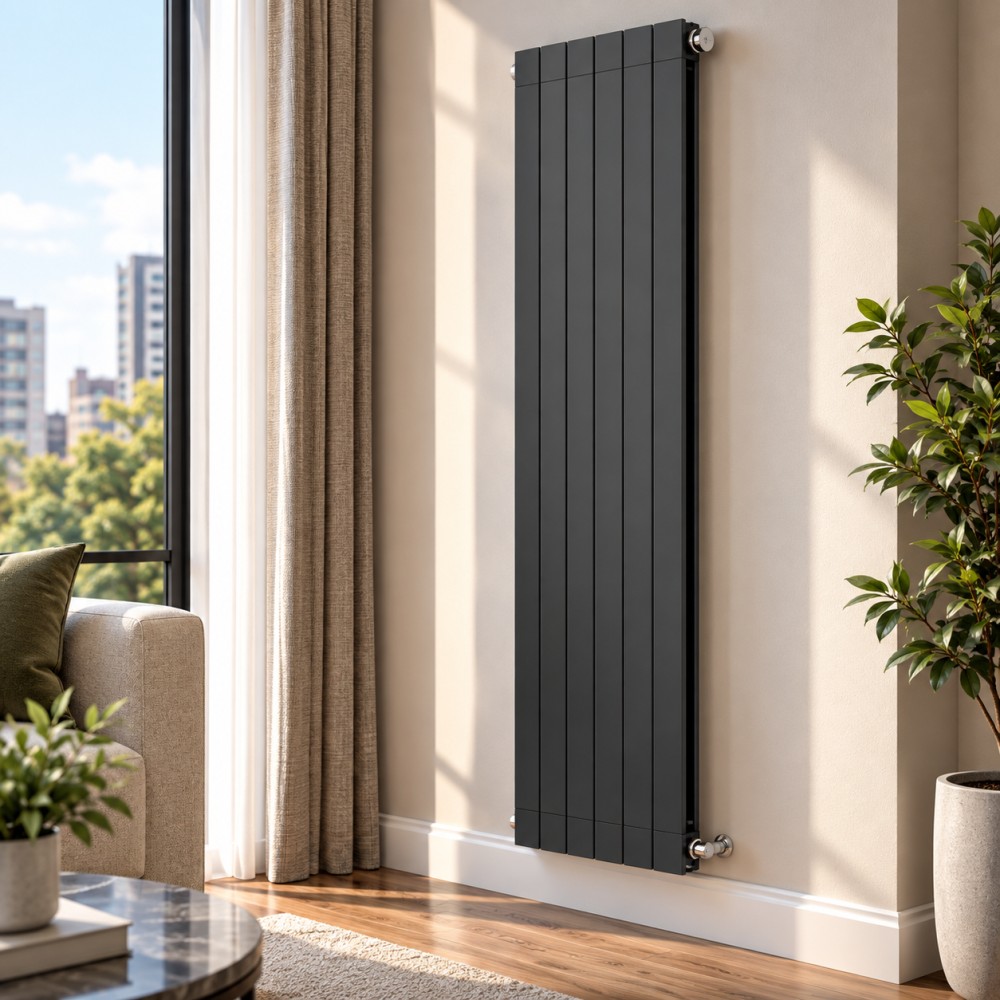
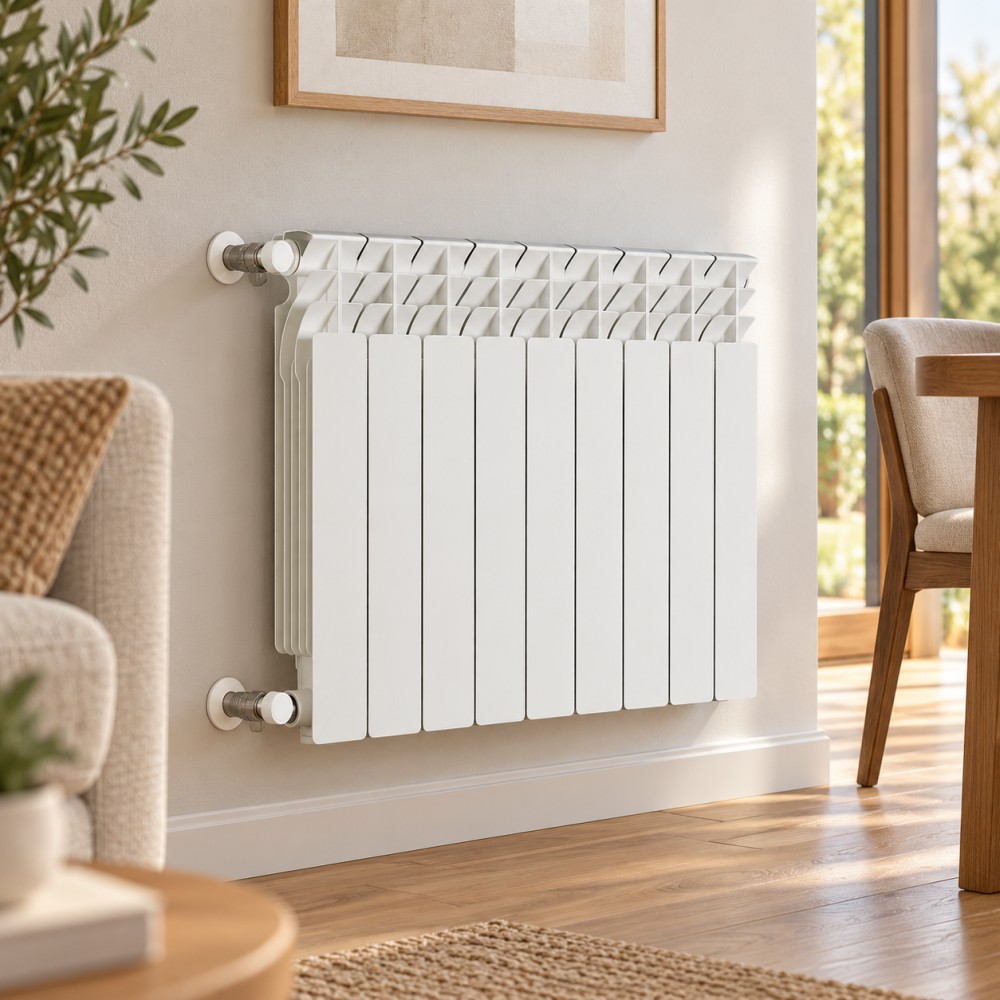
From an interior-planning perspective, a lower radiator can often fit naturally beneath a window, while a taller model can make better use of a narrow free wall.
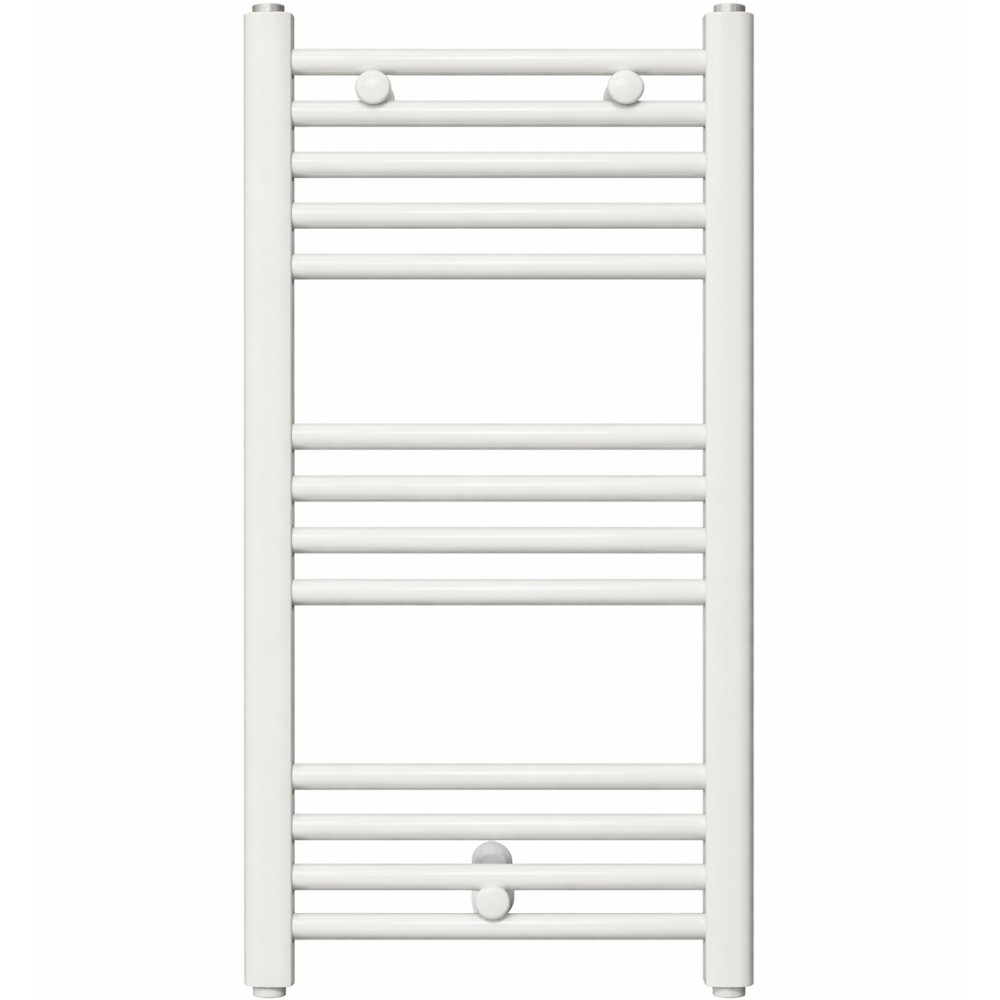
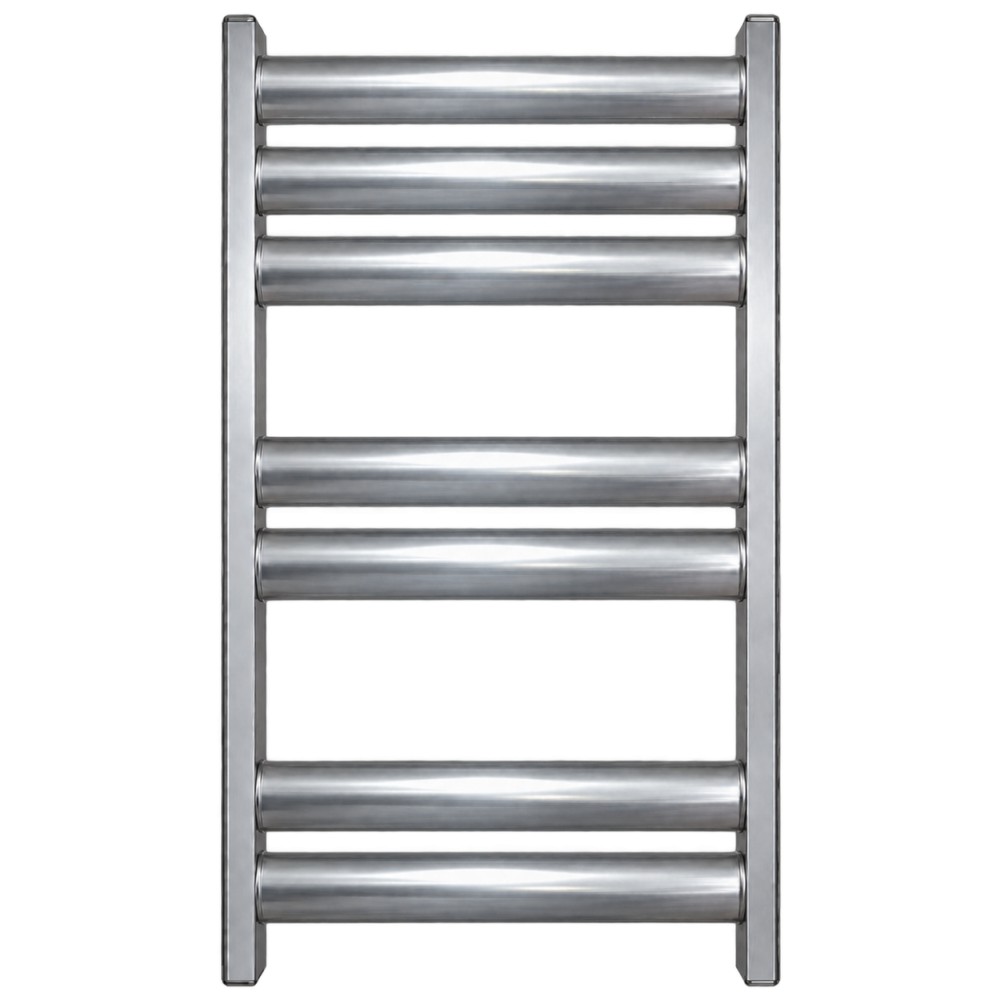
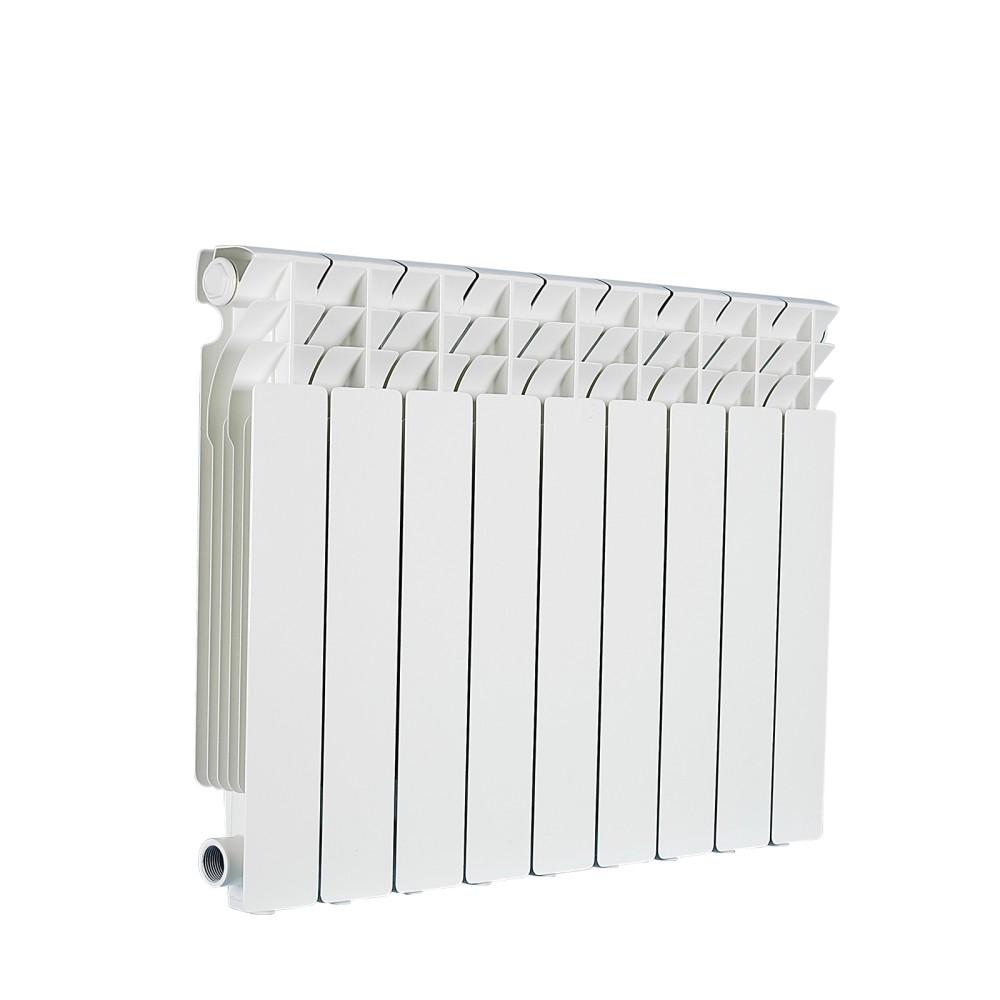
Different sizes of sectional radiators provide greater flexibility when planning a room.
Why are radiators often placed below windows?
The area beneath a window is often difficult to use for tall furniture.
From a layout perspective, placing the radiator there can preserve more free wall space for furniture and decor.
Final placement should always follow the heating design, pipe positions and the manufacturer's installation requirements.
How should a radiator relate to the wall?
A radiator can either be visually integrated quietly into the room or treated as a more noticeable architectural element.
In a minimalist interior, balanced proportions and sufficient empty space around large elements are particularly important.
In a room that already uses stronger contrasts, the heating element can also form part of the overall visual composition.
Radiators and furniture placement
A common planning mistake is deciding where the radiator will go without first creating a furniture layout.
You may later discover that a sofa, cabinet or other large item needs to occupy the same position.
This complicates the interior and can restrict free air movement.
Radiators and large furniture should therefore ideally be planned together.
Does a radiator always need to be hidden?
No. Contemporary interior design does not require every technical element to be completely concealed.
A radiator with suitable proportions can remain visible and still fit naturally into the room.
If a decorative enclosure is used, airflow and manufacturer installation requirements should always be considered.
Sectional radiators in minimalist interiors
Minimalist interiors rely heavily on clean proportions and controlled visual detail.
Avoid surrounding the radiator with too many unrelated decorative objects.
Some open space around it can help the heating element feel like part of the room's architecture.
Sectional radiators in the living room
The living room is one of the home's most visually important spaces, so radiator placement deserves careful planning.
Decide in advance:
- where the sofa will be positioned;
- where the TV area will be;
- which walls will remain free;
- where curtains will hang;
- how people will move through the room.
This helps the radiator feel like part of the original design rather than a technical item added afterwards.
Radiators in the bedroom
A visually calm layout is especially important in a bedroom.
Radiator placement should therefore be considered together with the bed, bedside tables, wardrobes and curtains.
The aim is to provide effective heating without visually overcrowding the main relaxation area.
Radiators and curtains
When a radiator is located near a window, curtain length and rail position should be planned in advance.
Heavy or excessively long curtains should not obstruct free air movement around the radiator.
Window treatments and heating elements are therefore best considered together.
How does a radiator connect with home decor?
A radiator and a decorative accessory perform very different functions, but both belong to the same interior.
If a room uses calm forms, natural textures and contemporary home decor, functional elements should ideally support the same organised visual language.
The goal is not to turn a radiator into decoration. The goal is to ensure that an essential technical element does not visually conflict with the environment created by furniture and decor.
Balancing function and design
A good interior should not sacrifice function purely for appearance.
Heating should work efficiently, furniture should be comfortable, lighting should be functional and decor should suit the space.
Together, these elements create a genuinely complete home.
When should radiator placement be planned?
The best time is during the early stages of renovation and interior planning.
Ideally, the radiator position should be known before finalising:
- pipe routes;
- electrical points;
- furniture dimensions;
- curtain positions;
- wall-decor locations.
Early planning helps avoid unnecessary compromises later.
Common radiator placement mistakes
- choosing a radiator without a furniture plan;
- using a very small radiator on a wide wall;
- choosing an oversized model for a narrow area;
- blocking the radiator with large furniture;
- failing to consider curtain position;
- choosing by appearance without considering technical requirements;
- deciding the installation position only after renovation is complete.
How to choose a radiator that also suits the interior
- Determine the required heating output.
- Choose the appropriate number of sections.
- Measure the available wall space.
- Consider furniture and curtain positions.
- Select a suitable height and proportion.
- Allow the required installation and airflow clearances.
- Consider how the radiator fits the overall visual style of the room.
Sectional radiators at ADELYO
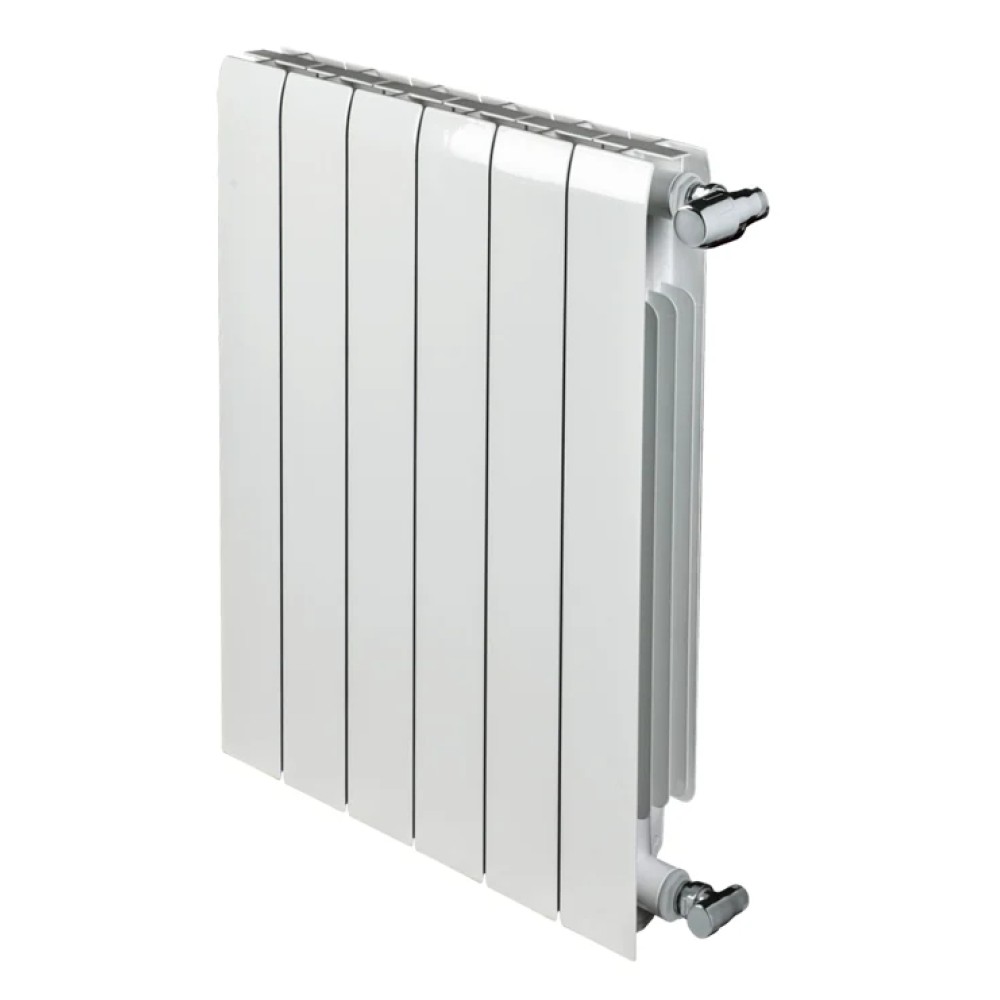
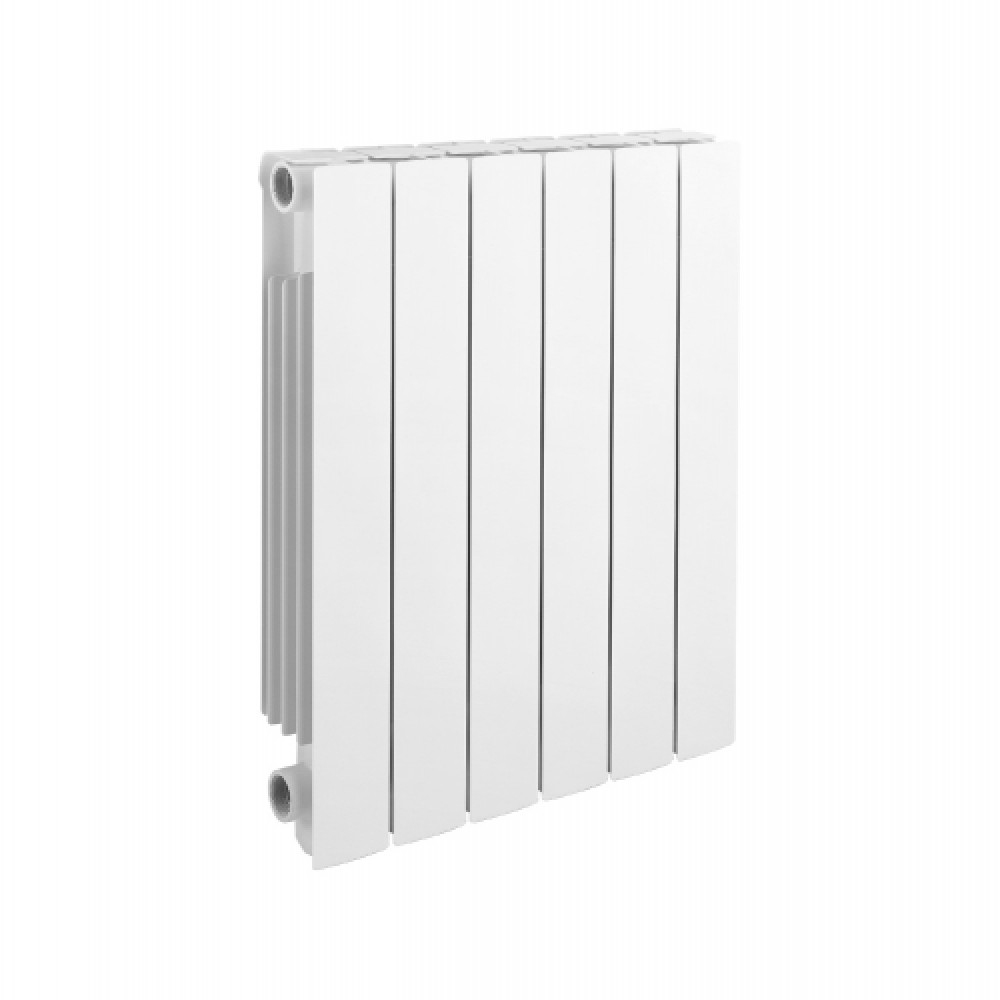
At ADELYO, you can explore sectional radiators in different sizes and proportions.
Different formats make it possible, once the technical requirements are established, to select a radiator that better suits the available wall space.
Sectional radiators are part of ADELYO's home improvement direction, which connects heating, plumbing and other functional products with the broader concept of furnishing a modern home.
This approach treats home decor and technical home improvement as connected layers of the same interior.
Frequently asked questions
Can a sectional radiator suit a modern interior?
Yes. With the right dimensions, proportions and placement, a sectional radiator can fit naturally into a contemporary room.
Should the radiator match the wall colour?
Not necessarily. The overall balance of colours, furniture and other visible elements is more important than following a strict matching rule.
Should a radiator be hidden?
Not necessarily. A well-selected radiator can remain visible. If an enclosure is used, airflow and manufacturer requirements need to be considered.
When should radiator placement be decided?
Ideally during renovation and furniture planning, before pipe positions are finalised.
Which comes first — design or technical requirements?
Technical requirements come first. Once the required output is known, dimensions, proportions and placement can be coordinated with the interior design.