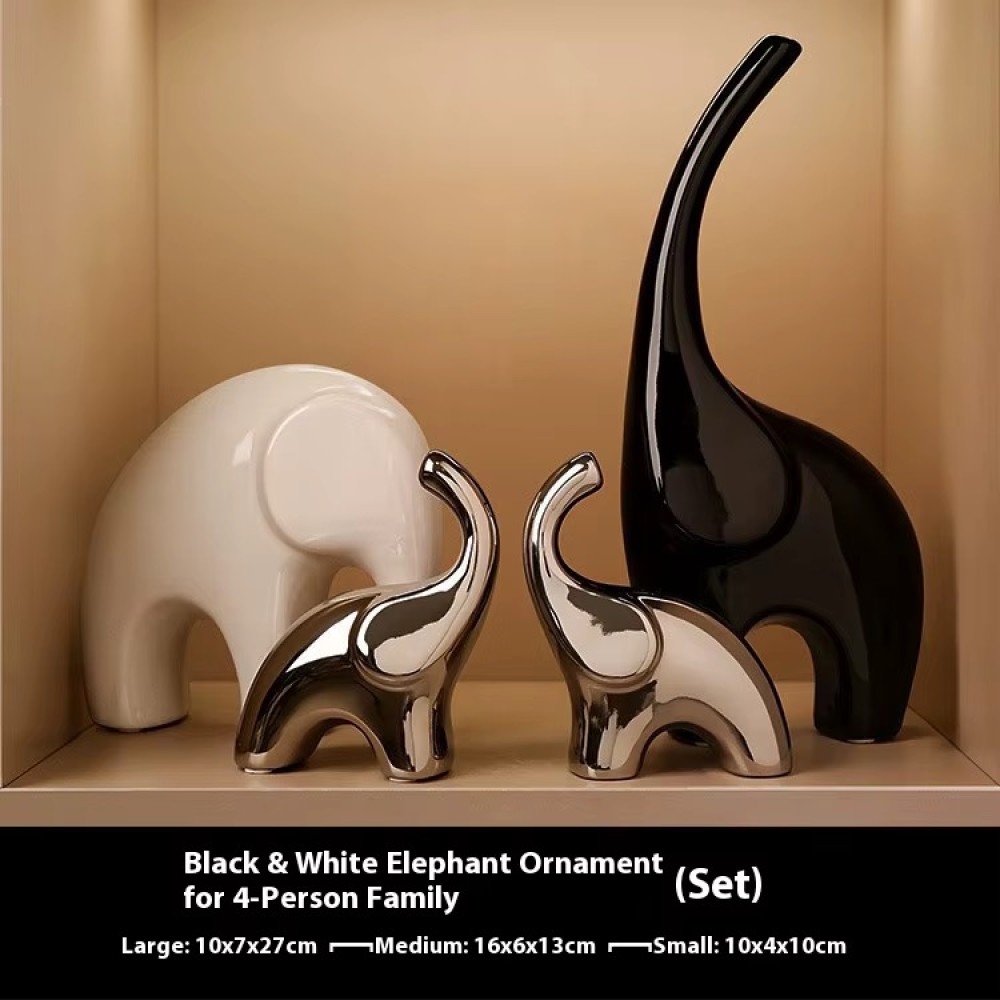
When we think about furnishing a home, renovation, furniture, heating, plumbing and decor are often treated as separate subjects. In a finished interior, however, all of these elements are part of the same space.
A radiator should no longer be viewed only as something that heats a room, a kitchen sink only as a place for using water, or a shower system only as technical equipment. All of these elements remain visible every day and therefore directly influence the overall appearance of the interior.
This is why home improvement and home decor are not two unrelated categories, but two parts of the same process: the first creates a comfortable and functional foundation, while the second gives the space character and a finished appearance.
What is home improvement?
Home improvement includes the elements that make a living space practical, comfortable and suitable for everyday use.
This may include:
- visible parts of the heating system;
- radiators;
- kitchen sinks;
- shower systems;
- bathroom accessories;
- floor drains and drainage elements;
- other functional fixtures.
Without these elements, a home may look attractive but still not be fully equipped for comfortable everyday living.
How is home improvement connected to decor?
The connection is simple — people experience a room as a whole. They do not visually separate the radiator, wall, furniture, lighting and decorative objects. All of these elements form one composition.
For example, if a living room is designed in a modern minimalist style, visible technical elements should ideally follow the same visual direction. The same principle applies to a kitchen sink, shower system and other functional fixtures.
This is where home improvement and decor meet: function determines how comfortable the space is, while design determines how complete it feels.
A radiator is no longer just about heating
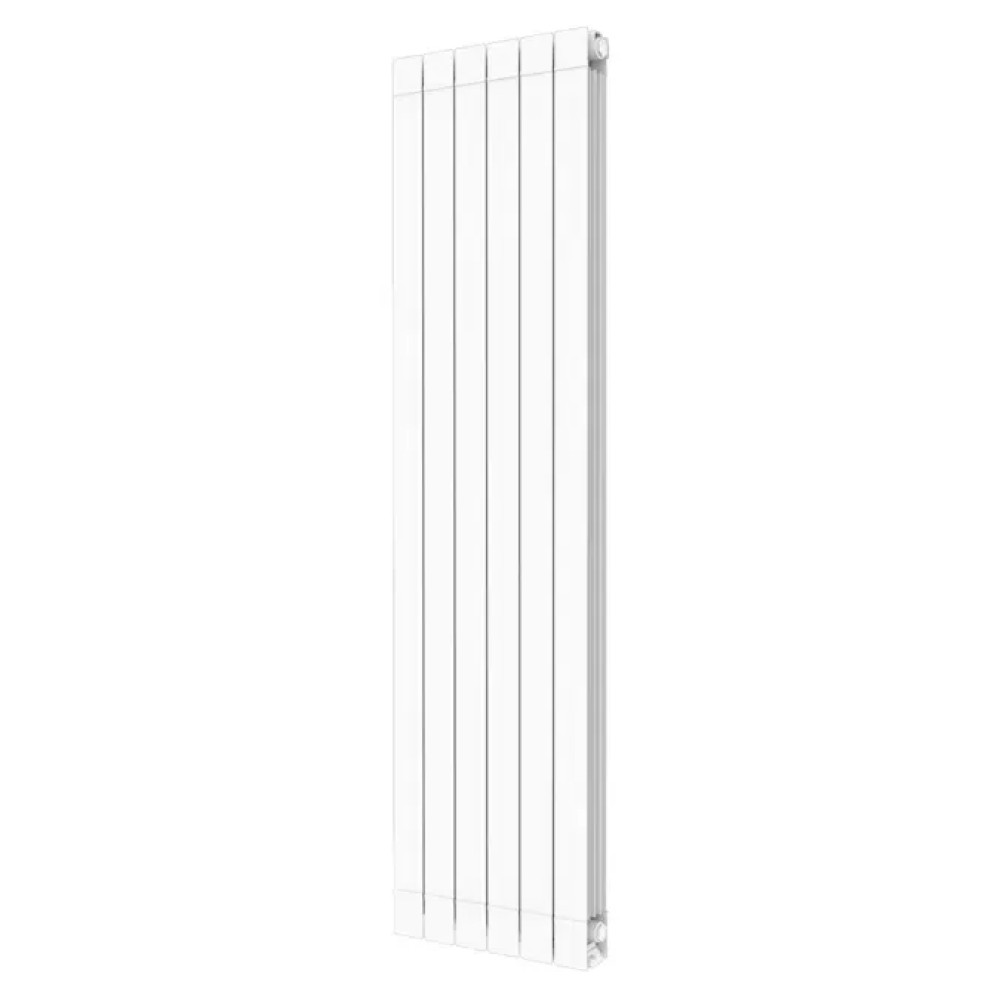
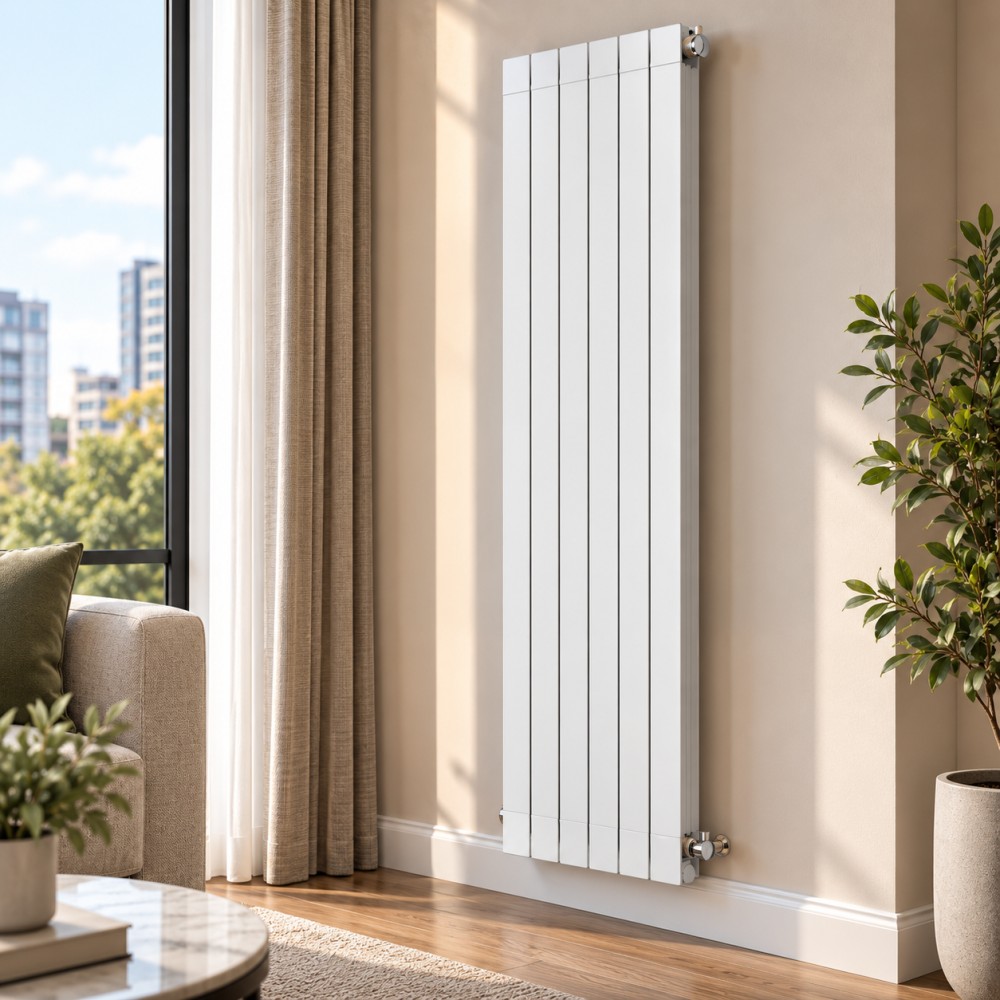
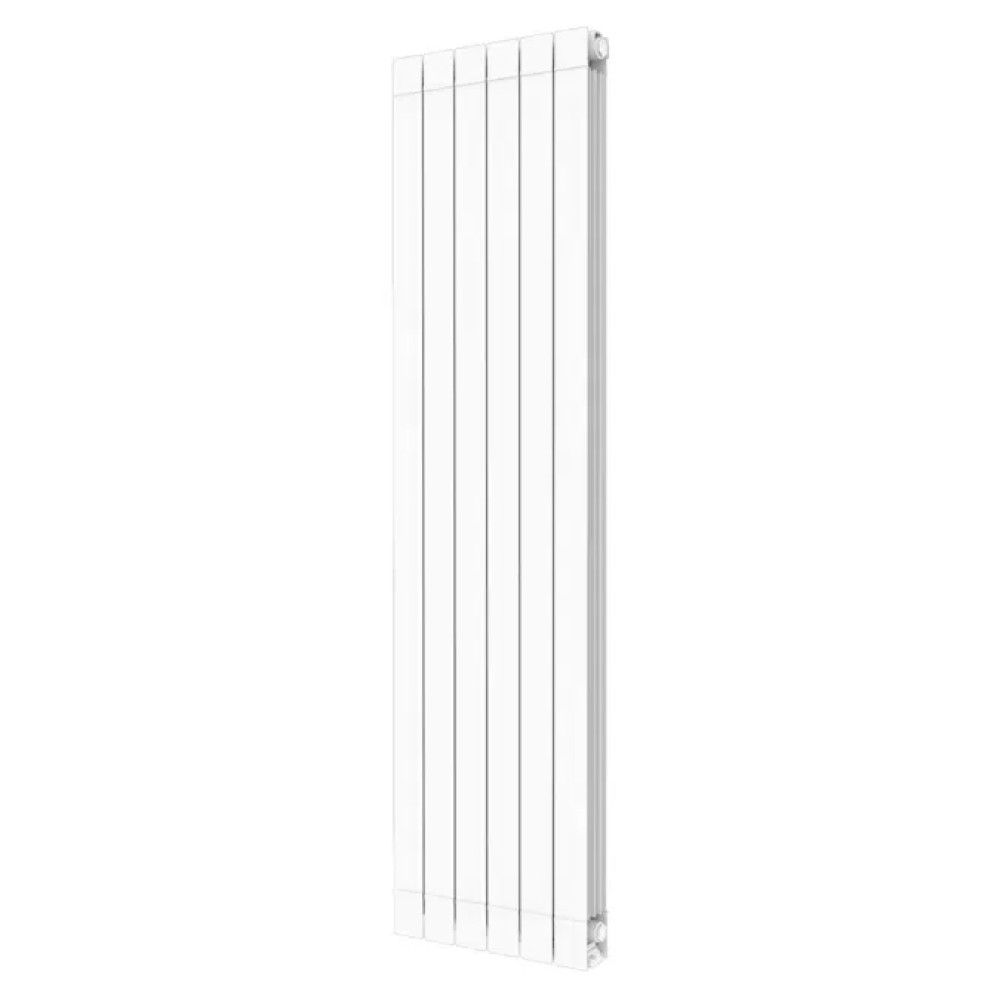
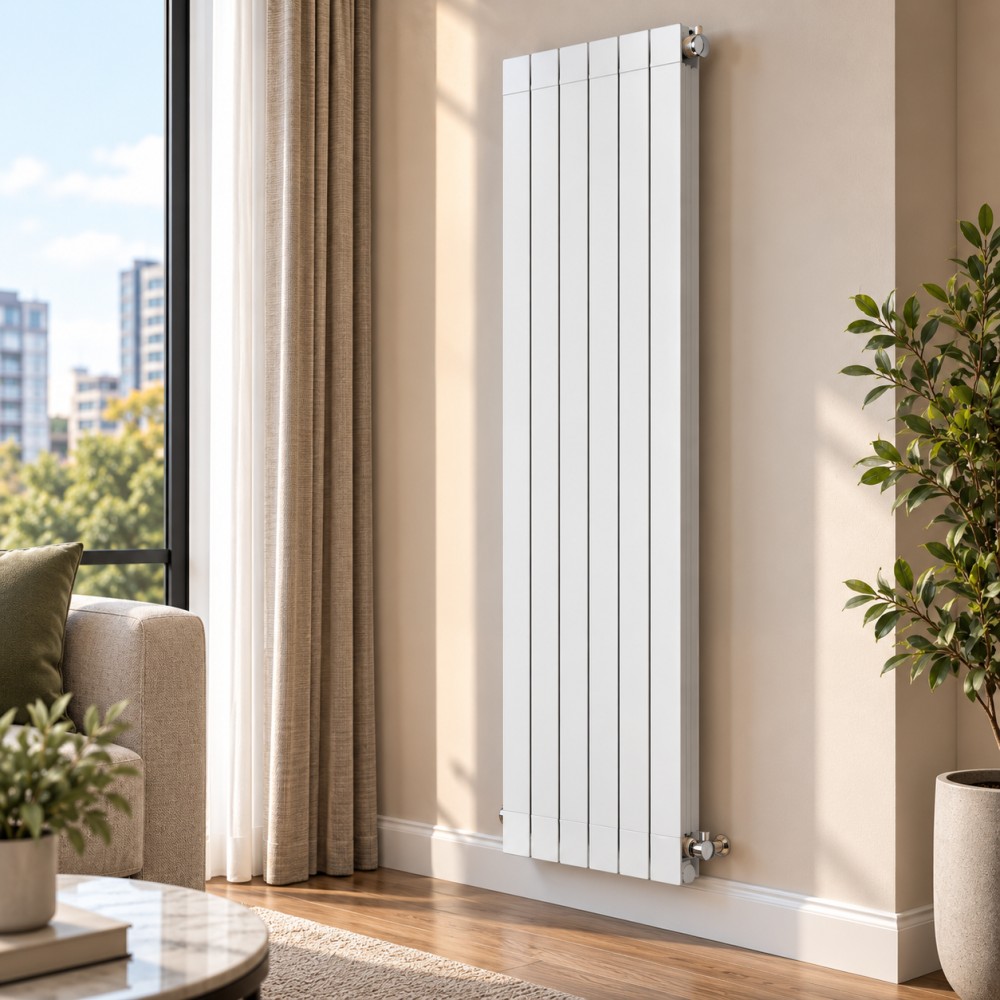
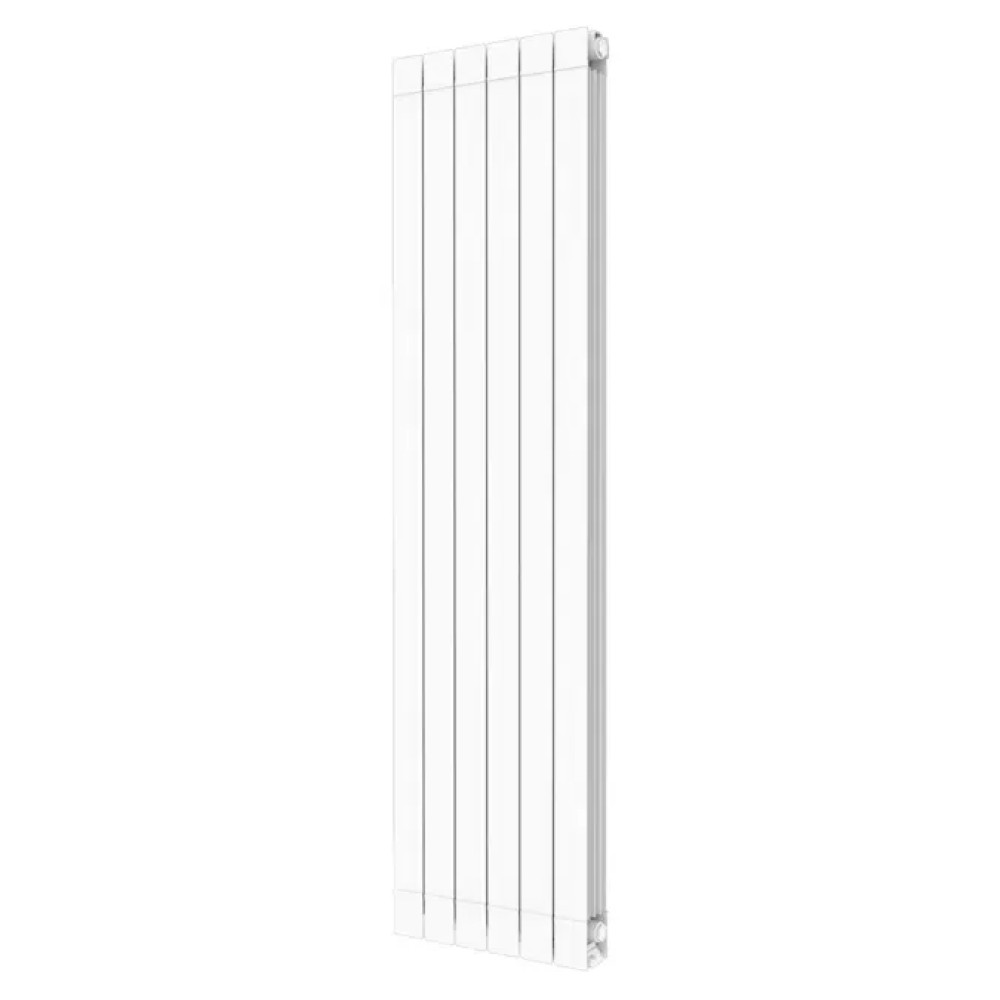
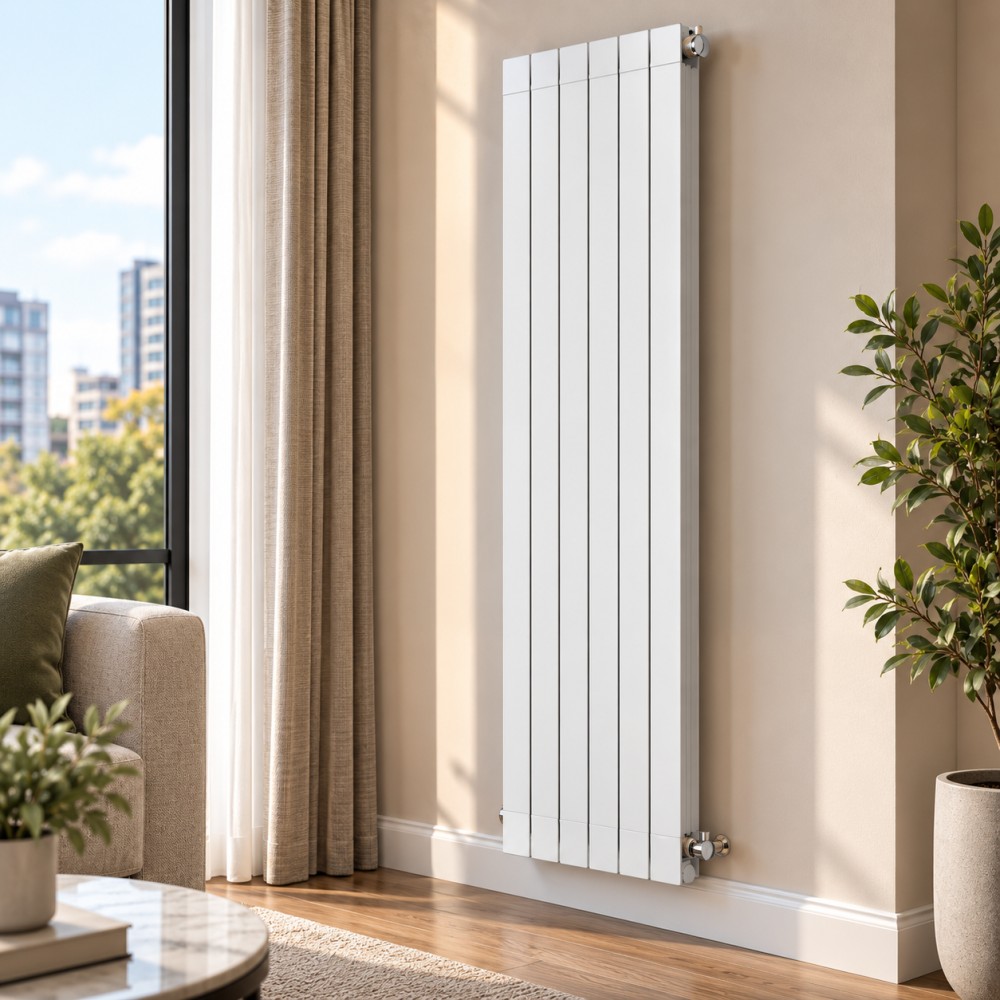
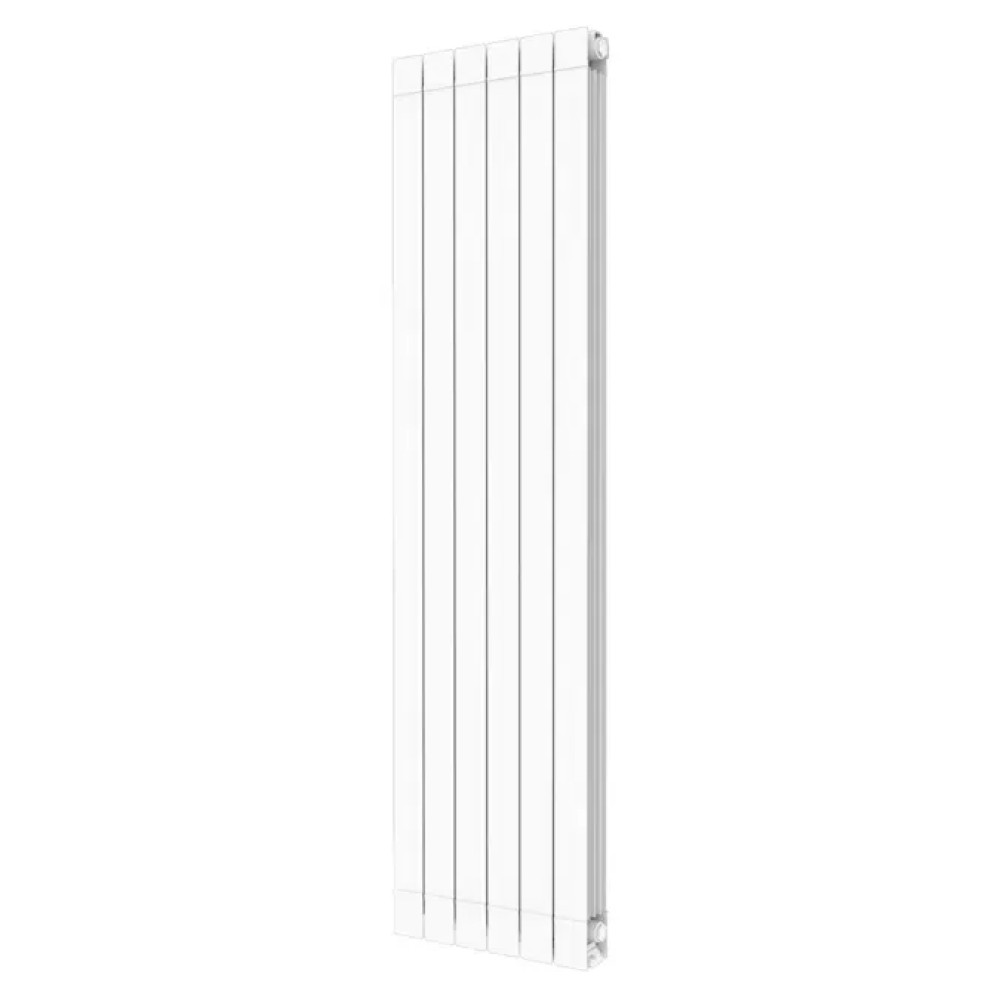
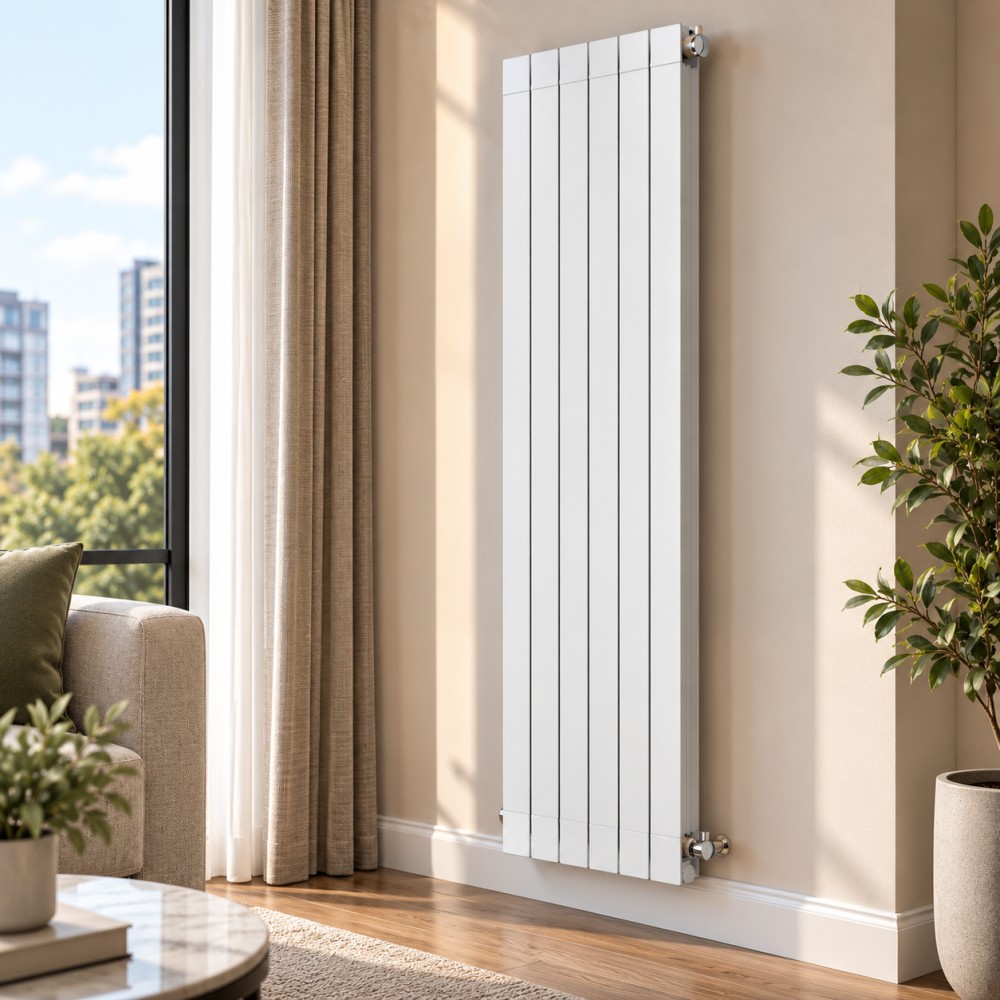
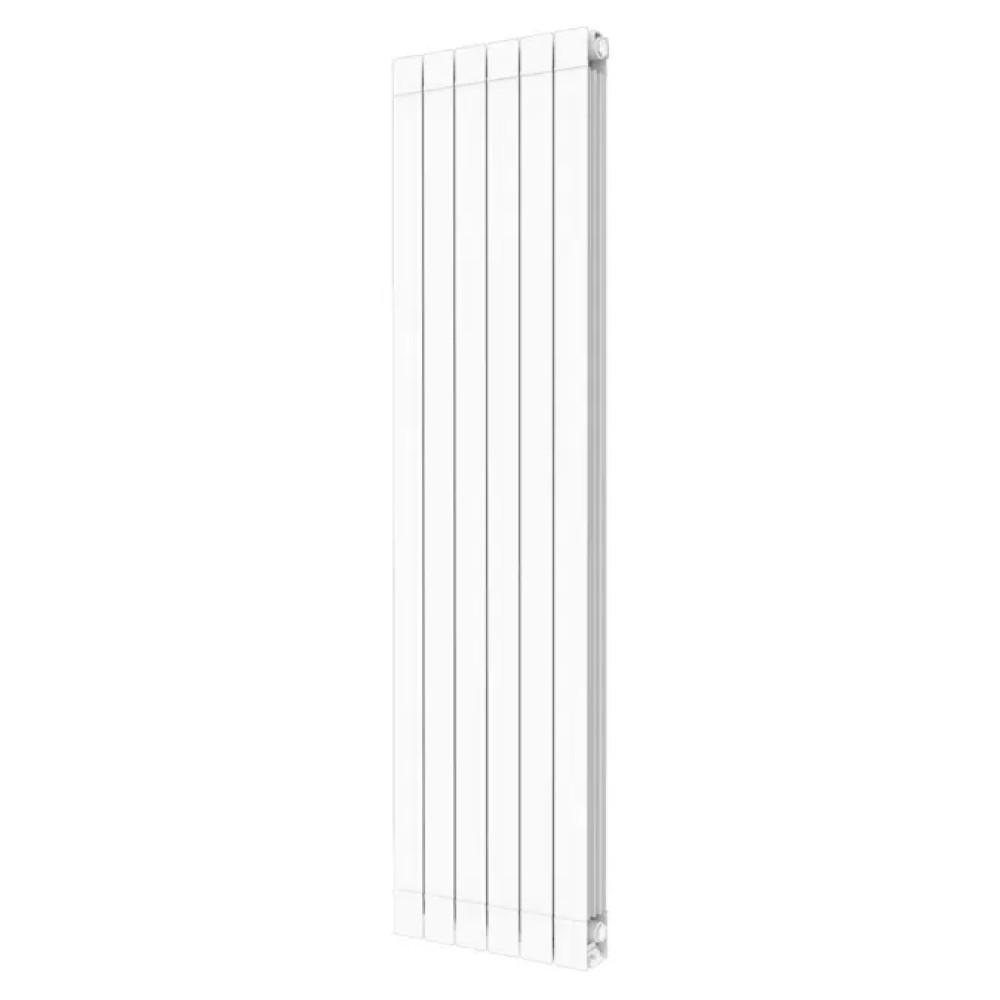
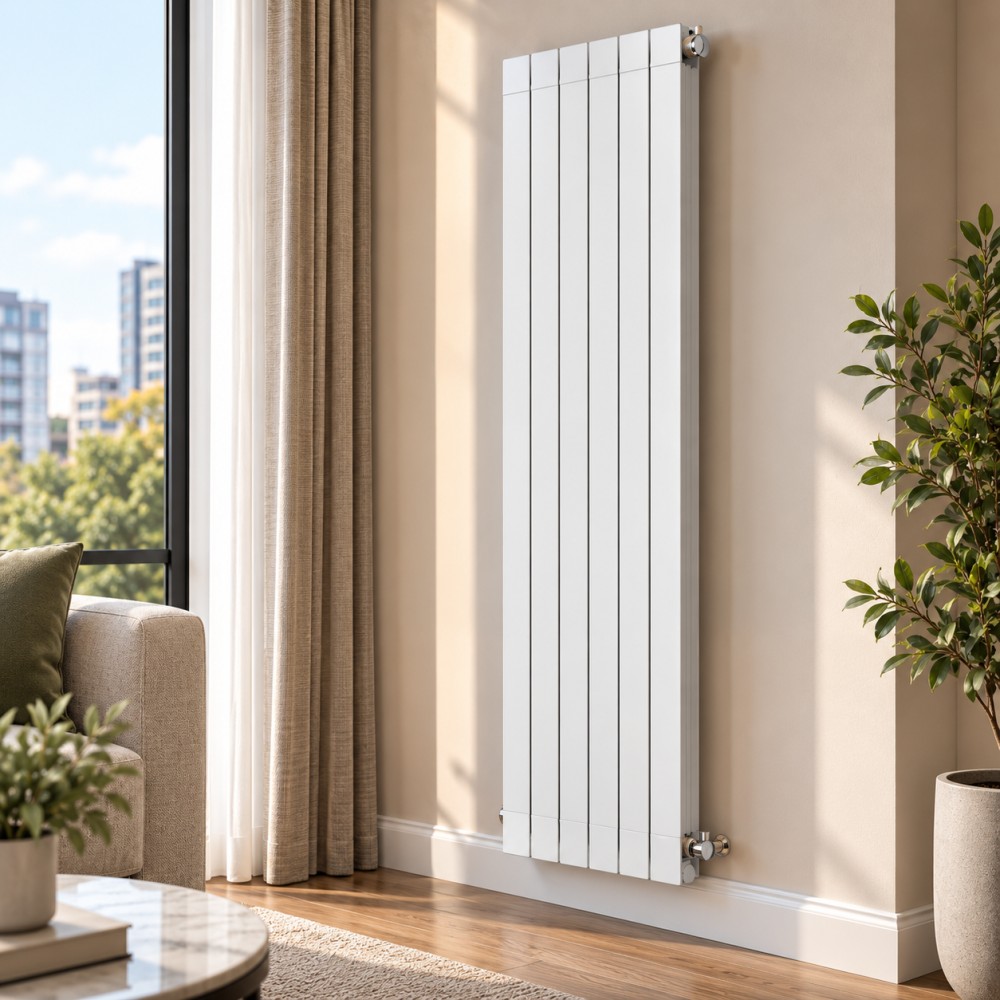
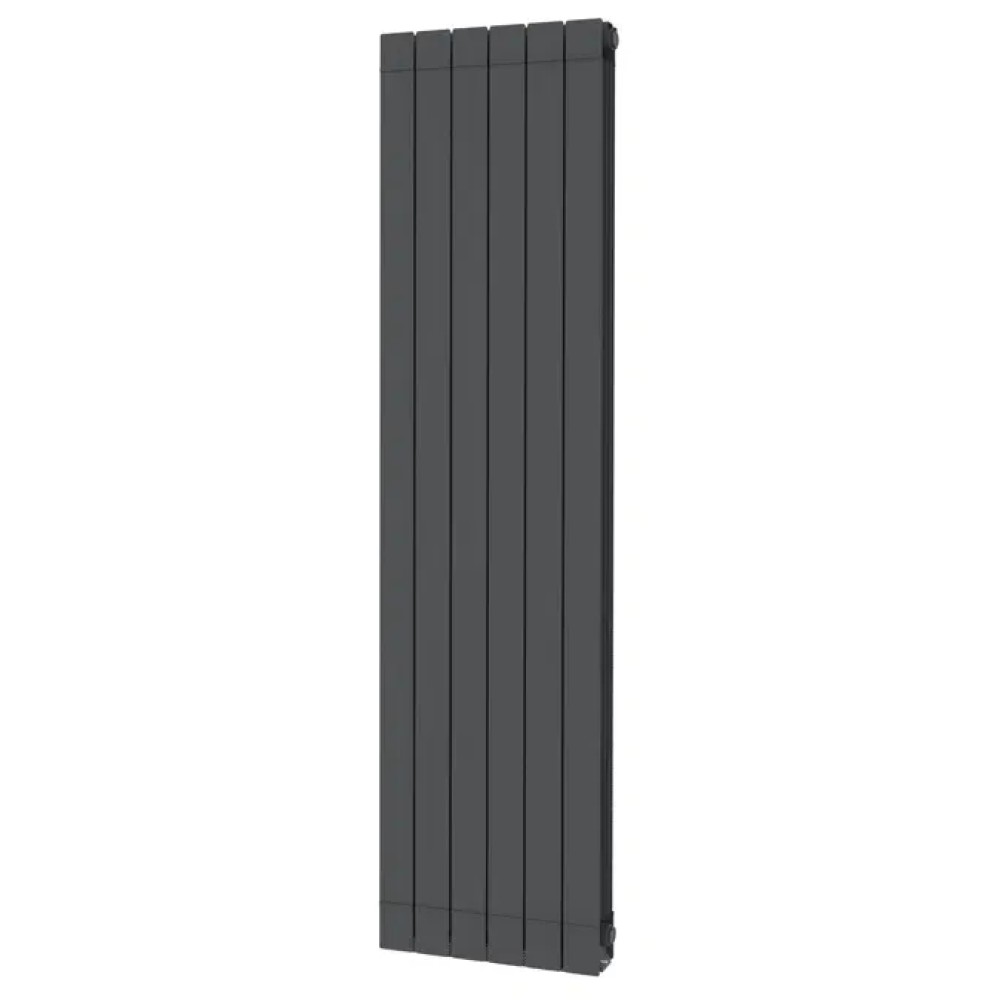
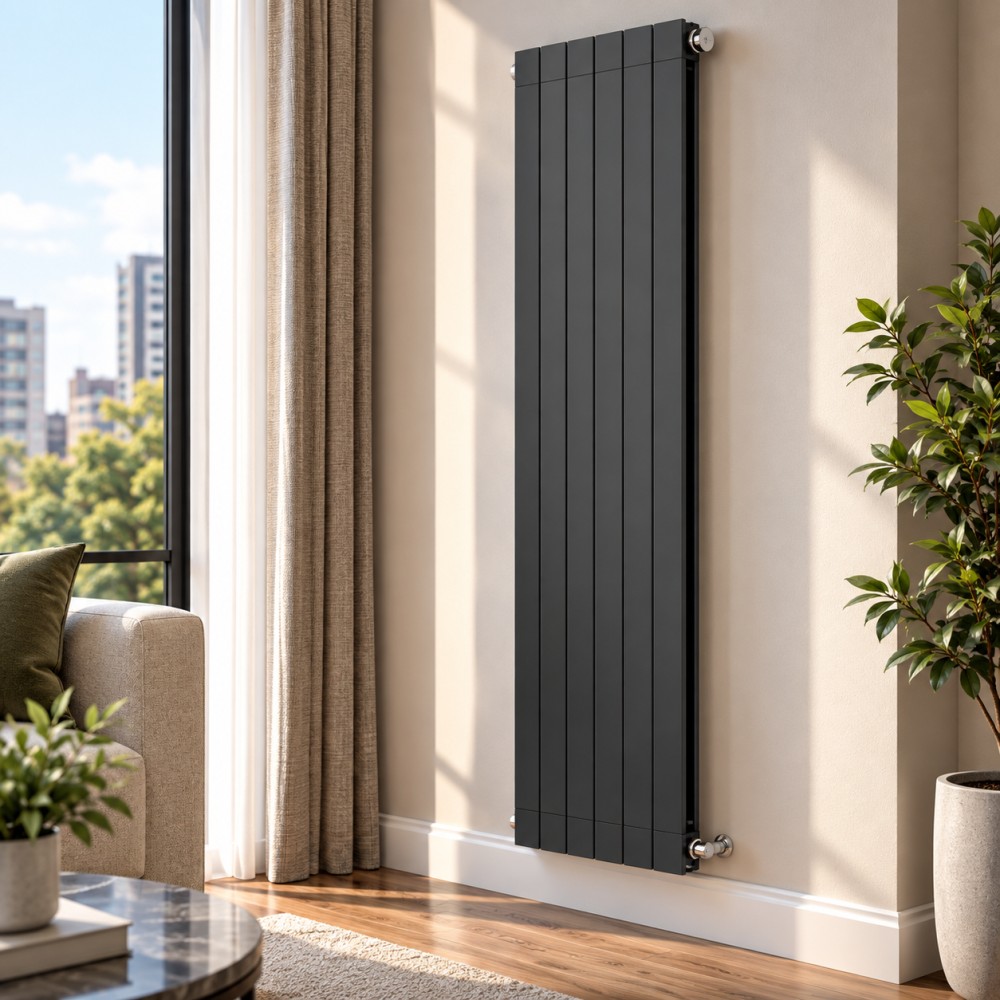
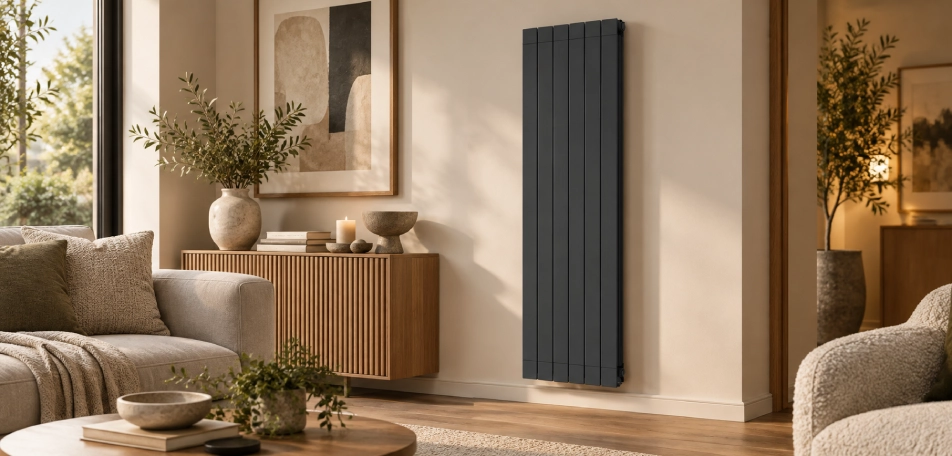
A heating system is an essential technical part of a home, but the radiator is permanently visible on the wall. Its size, shape and visual character therefore directly affect the appearance of the room.
A contemporary sectional radiator can be more than a necessary technical fixture. It can become a natural part of the wall composition.
When choosing a radiator, consider:
- the overall style of the room;
- wall colour;
- the scale of the furniture;
- radiator size;
- its position in the room;
- visual balance with other noticeable elements.
Why should you choose a radiator during the interior planning stage?
A common approach is to complete most of the interior first and only think about technical details later.
For a more cohesive result, visible heating elements should ideally be considered earlier. This makes it easier to balance the wall, furniture and radiator.
The room will then avoid the impression that the radiator was simply added afterwards — it becomes part of the original design concept.
Kitchen sink — a functional feature with a major visual presence
A kitchen sink is one of the most frequently used elements in a kitchen. At the same time, it is part of the worktop and occupies a clearly visible position.
Therefore, when choosing a kitchen sink, size and practicality should not be the only considerations.
Ideally, it should work with:
- the kitchen worktop;
- cabinet design;
- the tap or mixer;
- home appliances;
- the overall style of the kitchen.
When these elements work together, the kitchen feels much more cohesive and thoughtfully designed.
In the kitchen, decor should work together with function
In a kitchen, it is particularly useful when decorative objects are both attractive and practical.
Once the sink and work area are chosen, the overall style can be continued with modern tableware, fruit bowls, serving accessories and other functional details.
This is why the connection between technical elements and decor feels especially natural in a kitchen — both are used every day and remain constantly visible.
The bathroom is the clearest example of function meeting design
In a bathroom, almost every necessary technical feature is also a visible part of the interior.
The shower, floor drain, mirror, sink, shelves and smaller accessories work together to create the overall look of the room.
This is why designing a modern bathroom is not only about checking whether an item performs its function. It is also important to consider how everything looks together.
Shower system — from technical fixture to interior feature
A shower system is one of the most visible elements in a bathroom.
Especially in an open shower area, its form and placement directly influence the visual composition of the room.
When choosing a shower system, consider:
- functionality;
- size;
- installation height;
- compatibility with other plumbing fixtures;
- how it fits the overall bathroom design.
Even a floor drain is part of the interior
At first glance, a floor drain may appear to be purely technical, with its main purpose being water drainage.
In a contemporary open shower, however, the drain remains a visible part of the floor. Its dimensions, placement and finish therefore matter from both a technical and a visual perspective.
A well-designed interior is often defined by the thoughtful selection of these smaller details.
Why do bathroom accessories sit between home improvement and decor?
Small bathroom items are a good example of how one product can be both functional and decorative.
Bathroom accessories help organise the space, while their shape, material and appearance also influence the overall style of the room.
These are the types of products that show most clearly that “home improvement” and “decor” cannot always be completely separated in a real interior.
When does decor enter the home improvement process?
Decor is not simply a collection of small objects purchased at the very end. In a well-planned interior, the general decorative direction should already be understood when selecting technical elements.
For example, you can decide in advance:
- whether the interior will be minimalist or more decorative;
- which colours will dominate;
- whether strong contrasts will be used;
- which materials will repeat across different rooms;
- what type of lighting and decorative accents will be needed.
Once these decisions are made, selecting technical products becomes much easier.
Home improvement creates the foundation; decor creates the character
A room can contain a beautiful vase, light fixture and decorative sculpture, but if the main functional elements do not visually suit the space, the result may still feel disconnected.
On the other hand, a technically well-equipped room can feel cold and impersonal if it lacks individual decorative details.
The best result comes from combining both:
home improvement = function + comfort
decor = character + atmosphere
together = a complete interior
Lighting — the bridge between technical planning and decor
Lighting is one of the clearest examples of practical function and interior design working together.
A light fixture provides illumination, but its shape, position and direction also affect the atmosphere of the room.
For example, wall lighting can be used as a functional light source while also highlighting a wall, texture or decorative composition.
Home decor continues the style established by home improvement
Once heating, plumbing, furniture and main lighting have been selected, the final styling stage begins.
At this point, decorative accessories, vases, mirrors, flowers, tableware and other details help connect the colours and forms already present in the interior.
This is why choosing decor becomes much easier when the style of the main functional elements has already been considered.
How can you create a consistent style throughout the home?
You do not need to use identical products in every room. A few shared visual principles are enough.
For example:
- repeat similar colours in different rooms;
- keep metal details within a consistent visual direction;
- coordinate the shapes of technical and decorative elements;
- use a consistent warm or cool colour palette;
- avoid overcrowding the space with unnecessary details.
The kitchen, bathroom and living room can still have different individual identities while the entire home feels visually connected.
In what order should you choose products for your home?
If you are furnishing a new home or renovating, a practical order can be:
- define the function and overall style of each room;
- choose the main plumbing and heating products;
- plan lighting positions;
- choose the main furniture;
- add functional accessories;
- complete the space with decor.
This approach reduces the number of randomly selected items and makes the final interior feel more cohesive.
Why is quality especially important in home improvement products?
A decorative object primarily serves a visual purpose, while plumbing and heating products are used every day.
For this reason, material, construction and workmanship are especially important in addition to appearance.
A good choice should meet two requirements: it should suit the interior visually and reliably perform its practical function.
Home improvement and decor at ADELYO
The idea behind ADELYO is to approach home furnishing not as a collection of separate products, but as one complete interior.
This is why the home improvement category naturally continues the broader home decor direction.
You can choose both products that create the character of the interior and products needed for everyday comfort — sectional radiators, kitchen sinks, shower systems, floor drains and bathroom accessories.
This functional foundation can then be complemented with lighting, decorative accessories, vases, tableware and other details to give the space a cohesive and finished appearance.
Frequently asked questions
Are heating and plumbing really part of interior design?
Yes. Their primary role is technical, but radiators, kitchen sinks and shower systems remain permanently visible. Their shape and design therefore influence the overall appearance of the room.
Should plumbing or decor be selected first?
The main technical products should generally be selected earlier, but it is helpful to already understand the overall style and colour direction of the interior. This makes choosing decor much easier later.
Can a radiator become part of the design?
The primary purpose of a radiator is heating, but because it remains visible in the room, the right shape and placement can help it integrate naturally into the interior.
Why does the design of bathroom technical elements matter?
A bathroom is usually a relatively compact space where almost every item remains visible. The shower system, floor drain and accessories therefore work together as one visual composition.
Can a functional product also be decorative?
Yes. This is one of the central ideas of contemporary interior design: an object can perform a practical function while also visually enhancing the space.