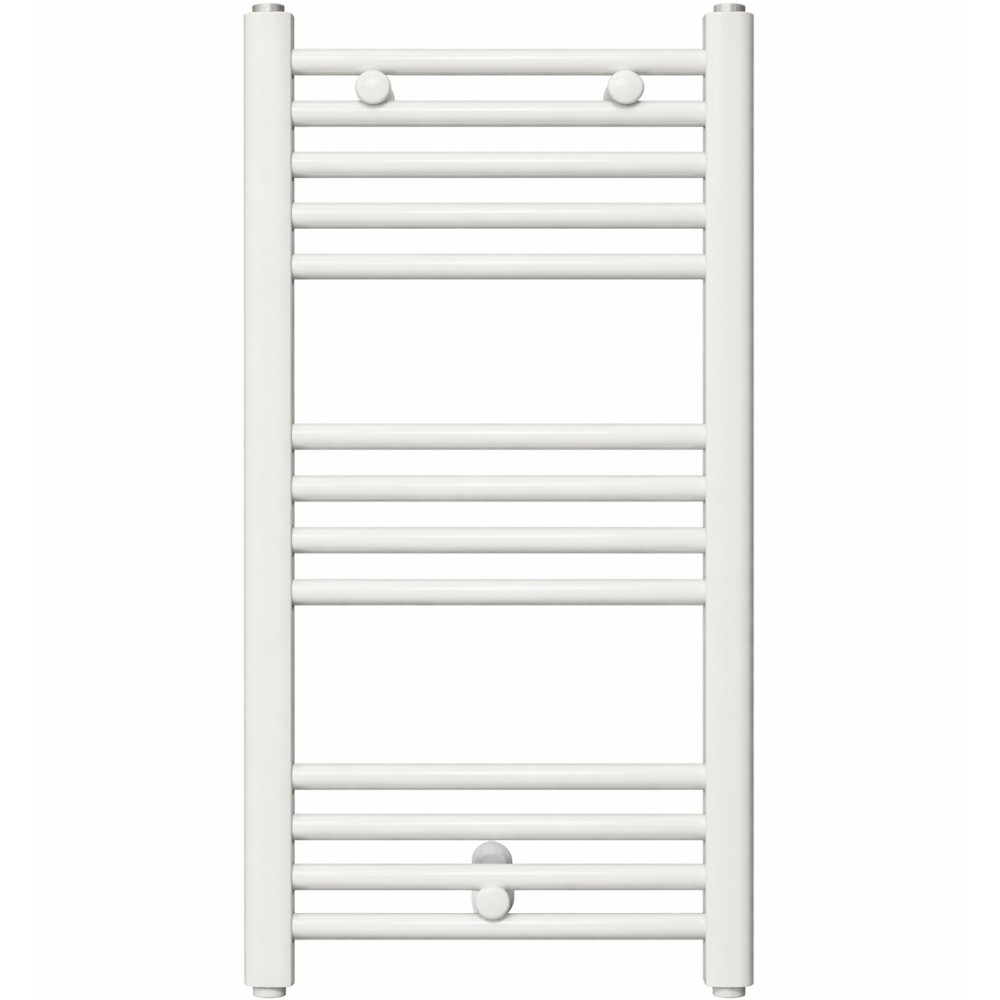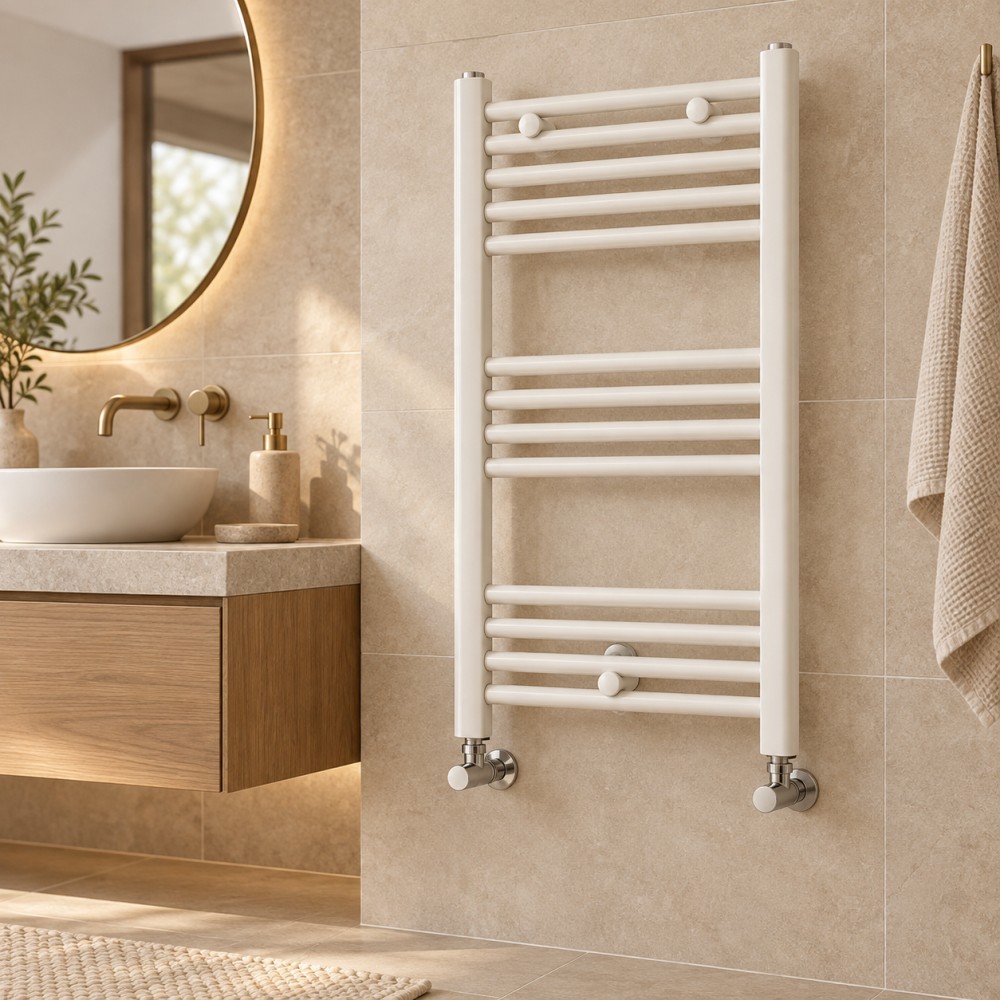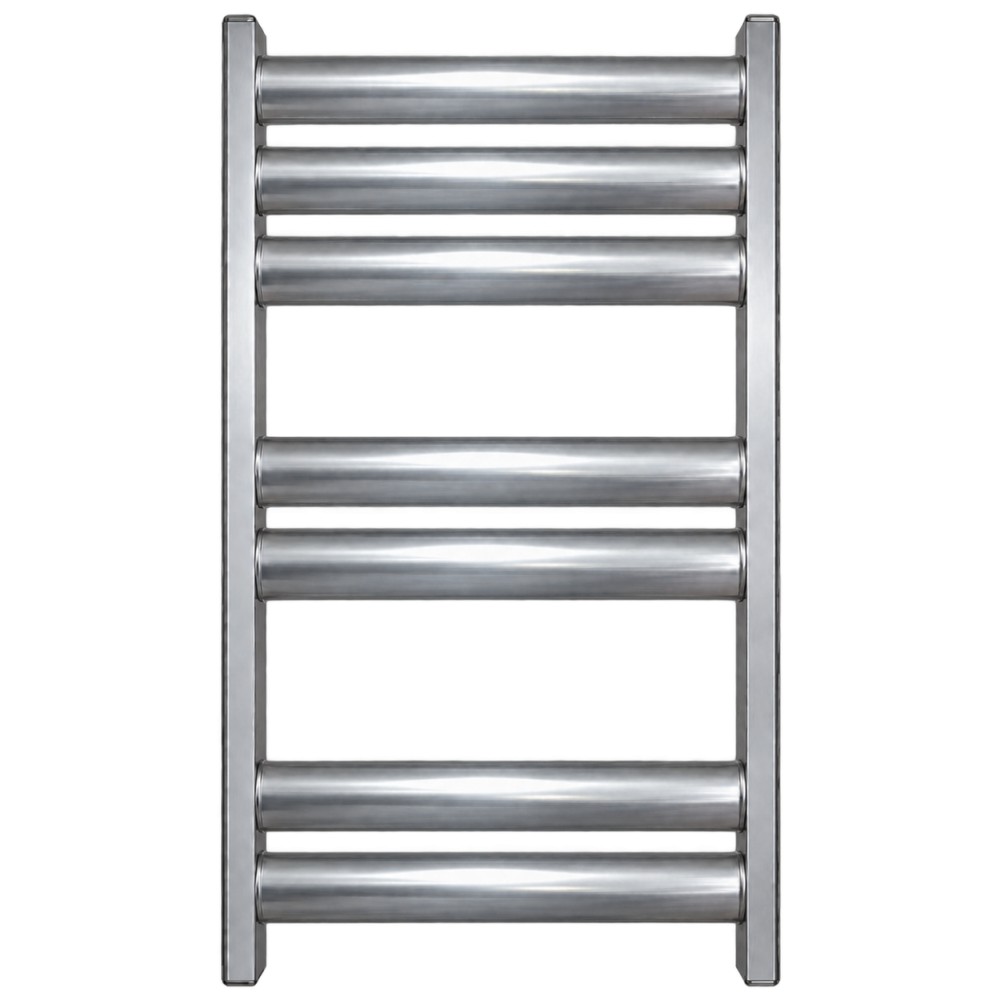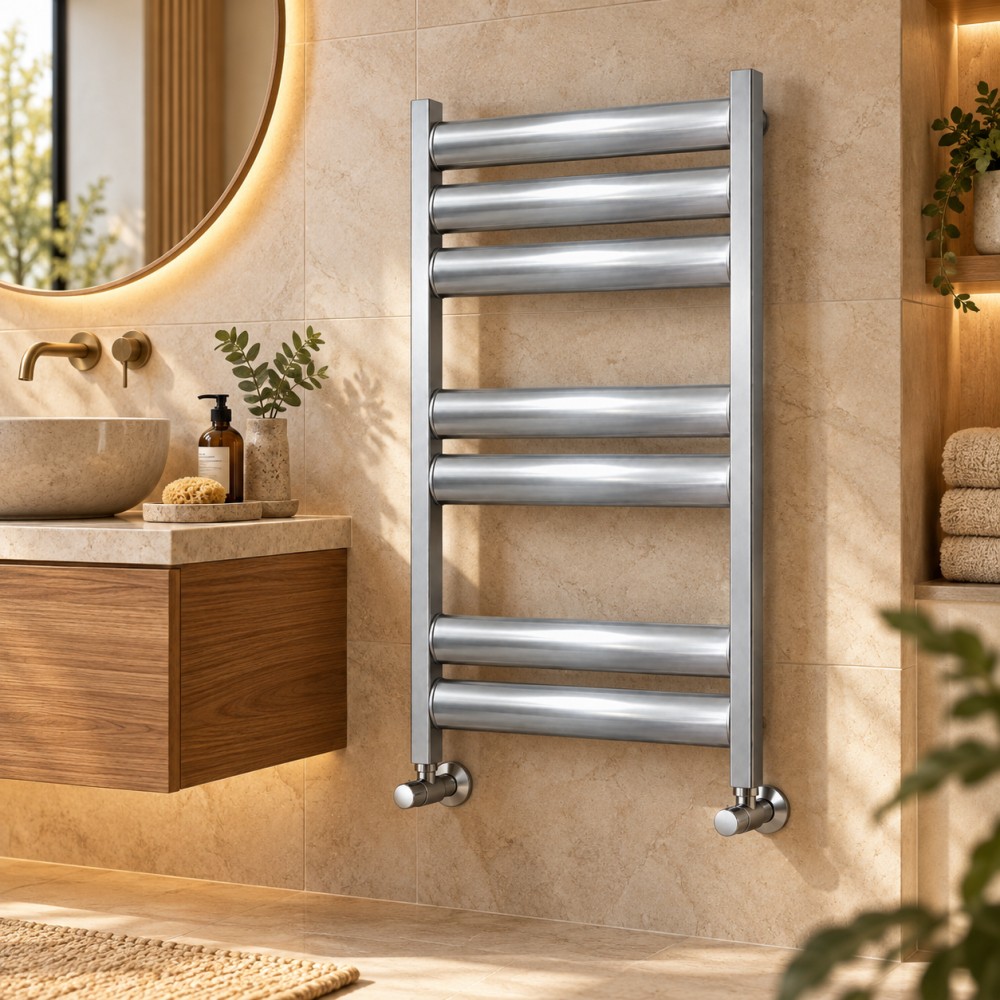
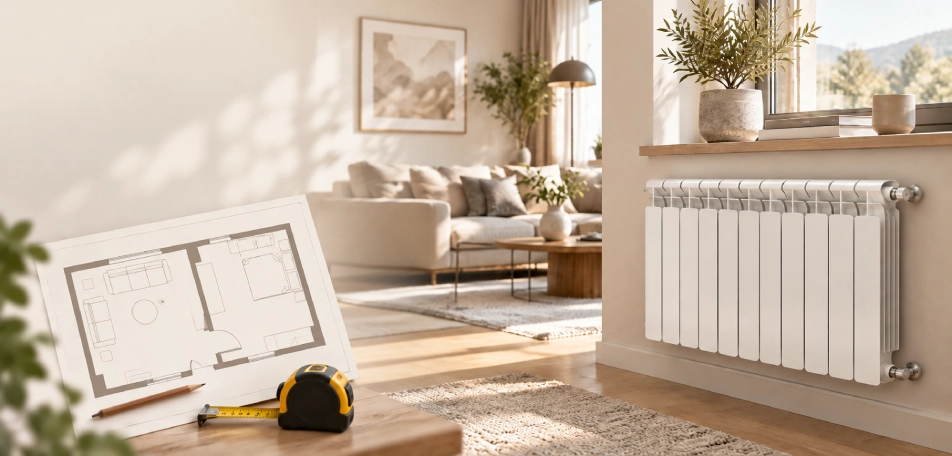
One of the most common questions when choosing a sectional radiator is: how many sections does my room need?
Knowing the floor area alone is not enough for an accurate answer. Two rooms of the same size can have very different heating requirements depending on insulation, the number of external walls and windows, ceiling height and the operating temperature of the heating system.
Therefore, when choosing the right sectional radiator, it is important to consider not only its physical dimensions, but also the room's actual heat demand and the output of the specific radiator model.
In this article, we explain which information you need, how the required number of sections is determined and which common mistakes to avoid when selecting a radiator.
What is a sectional radiator?
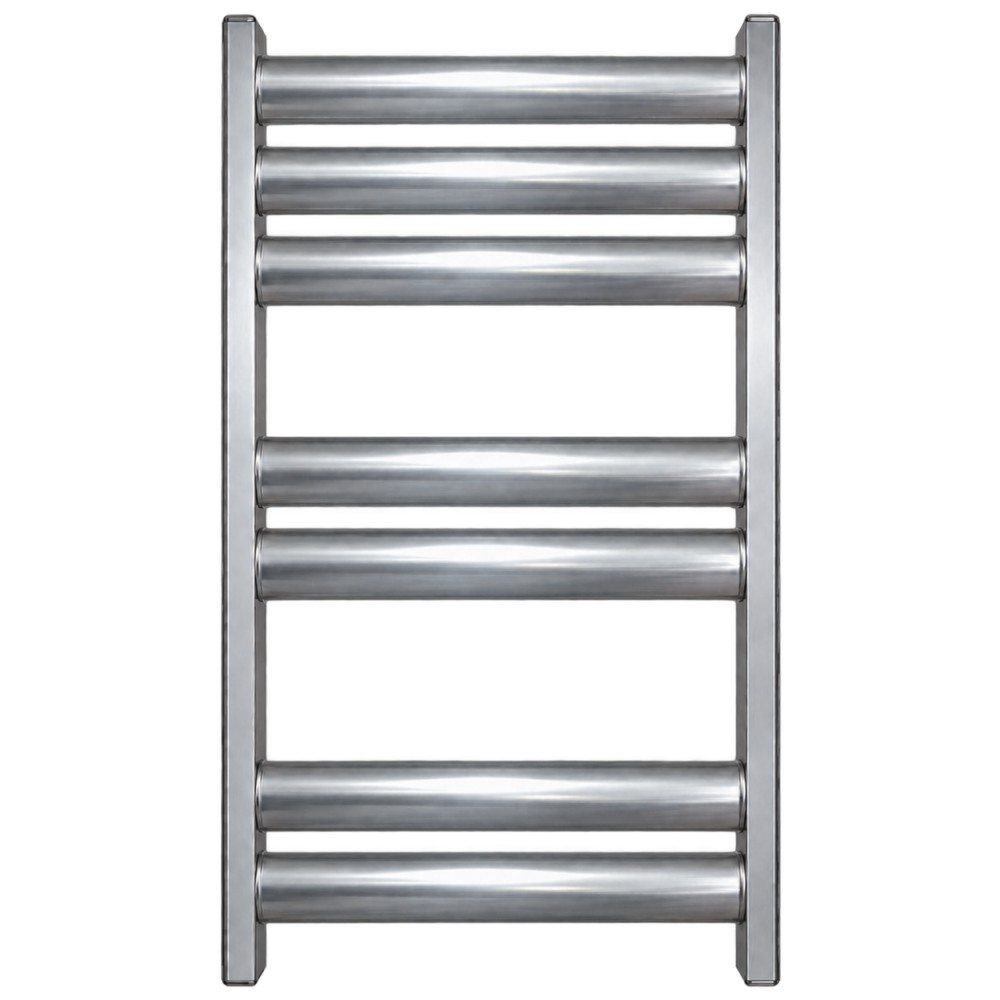
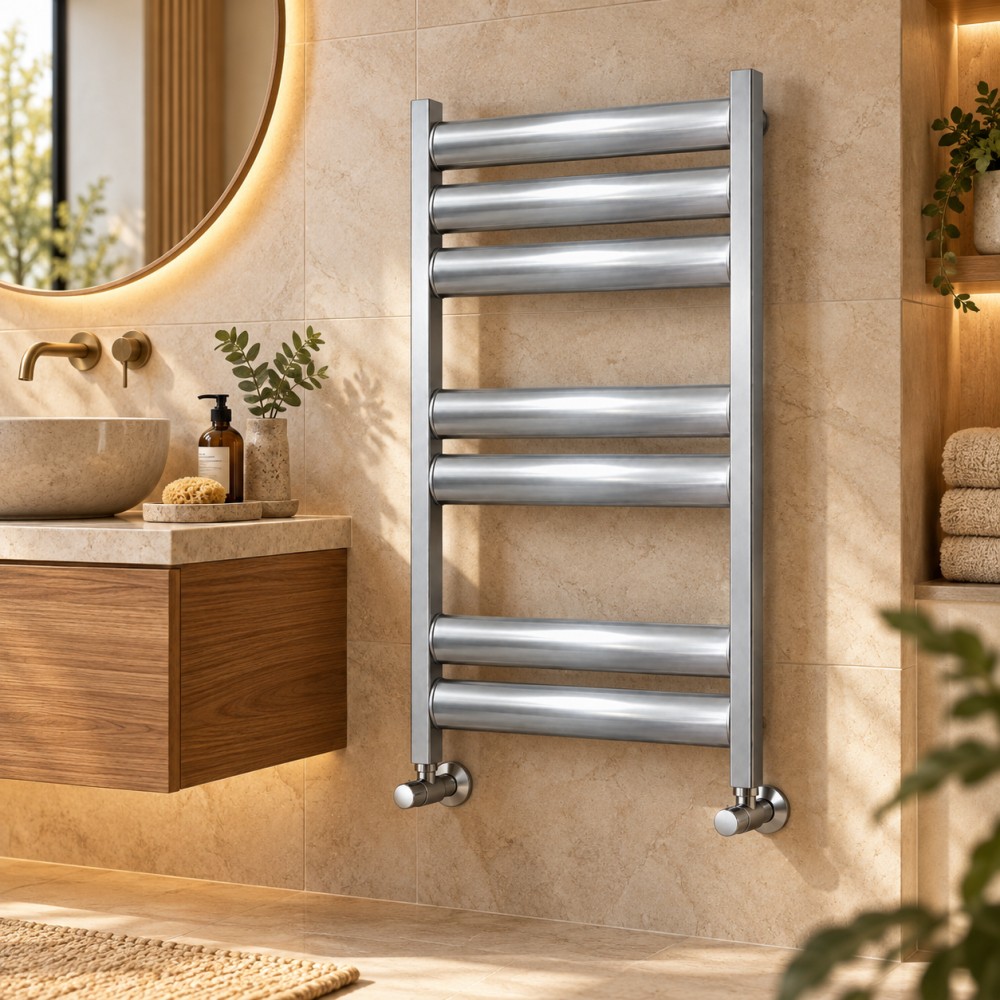
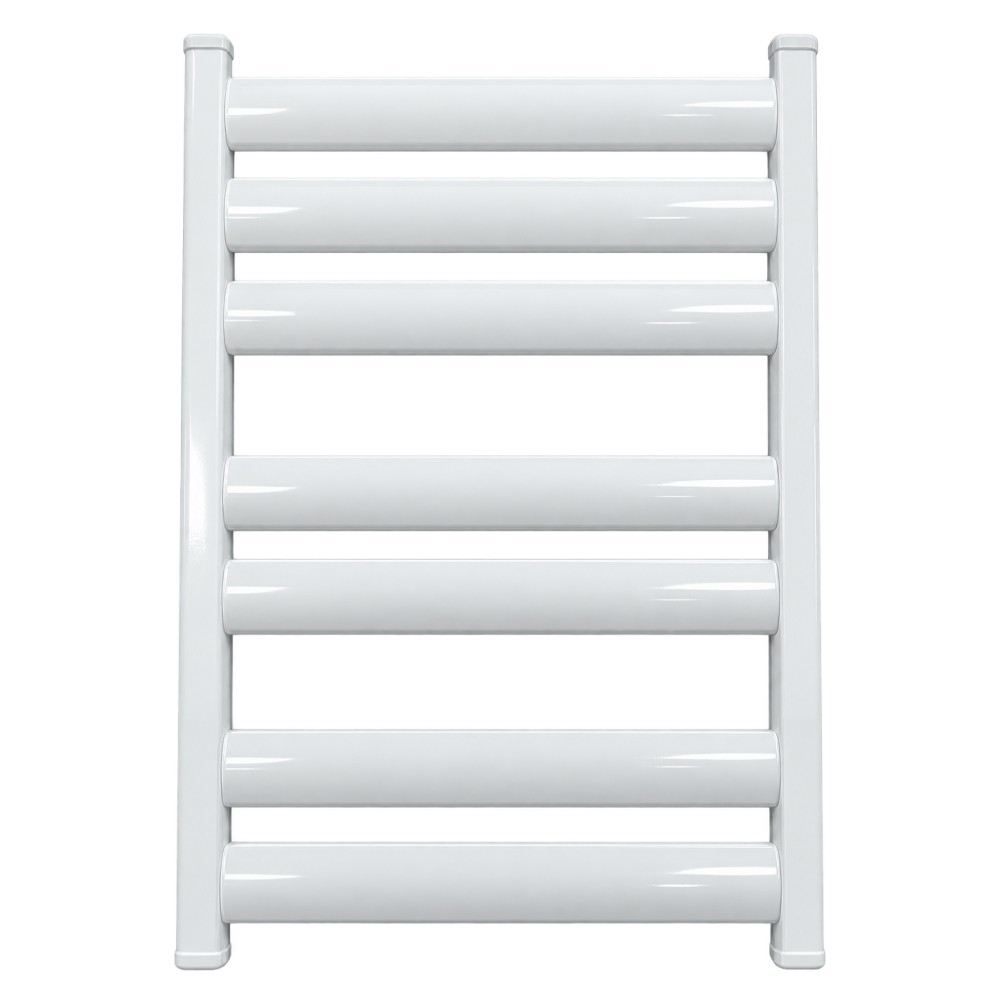
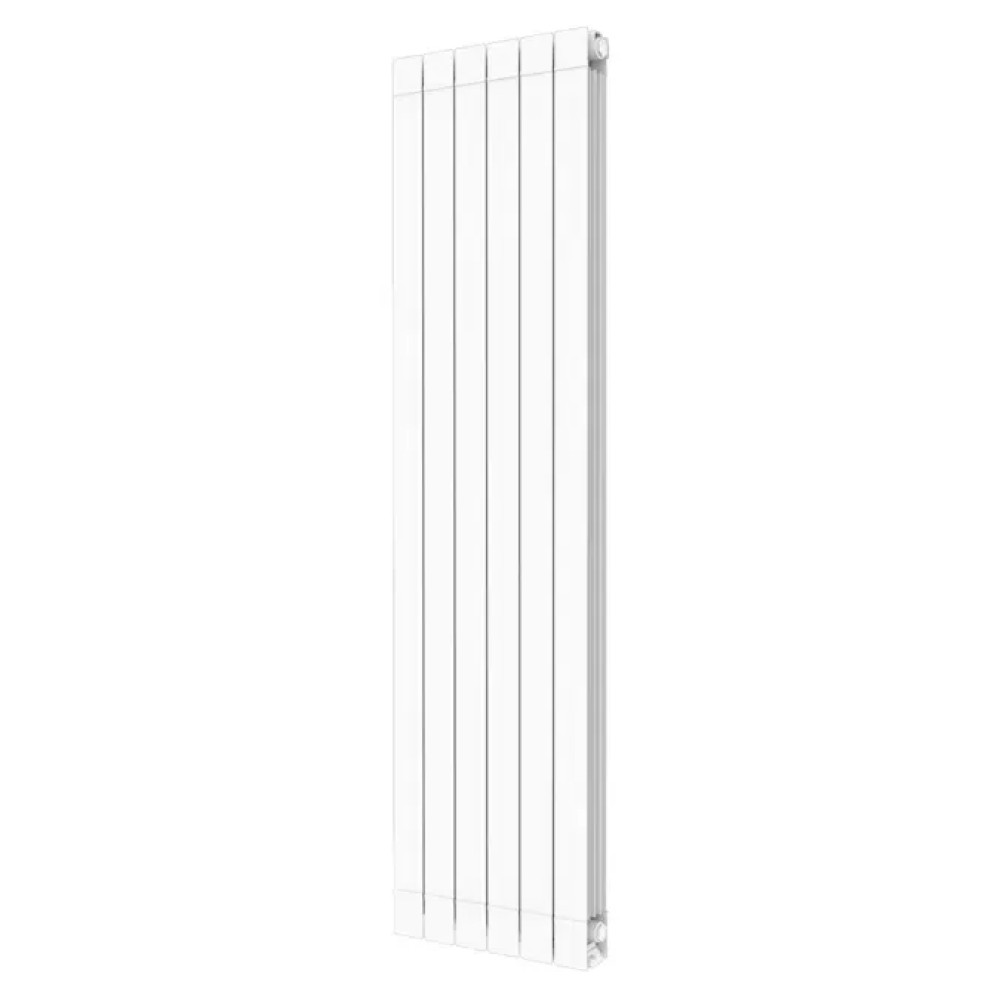
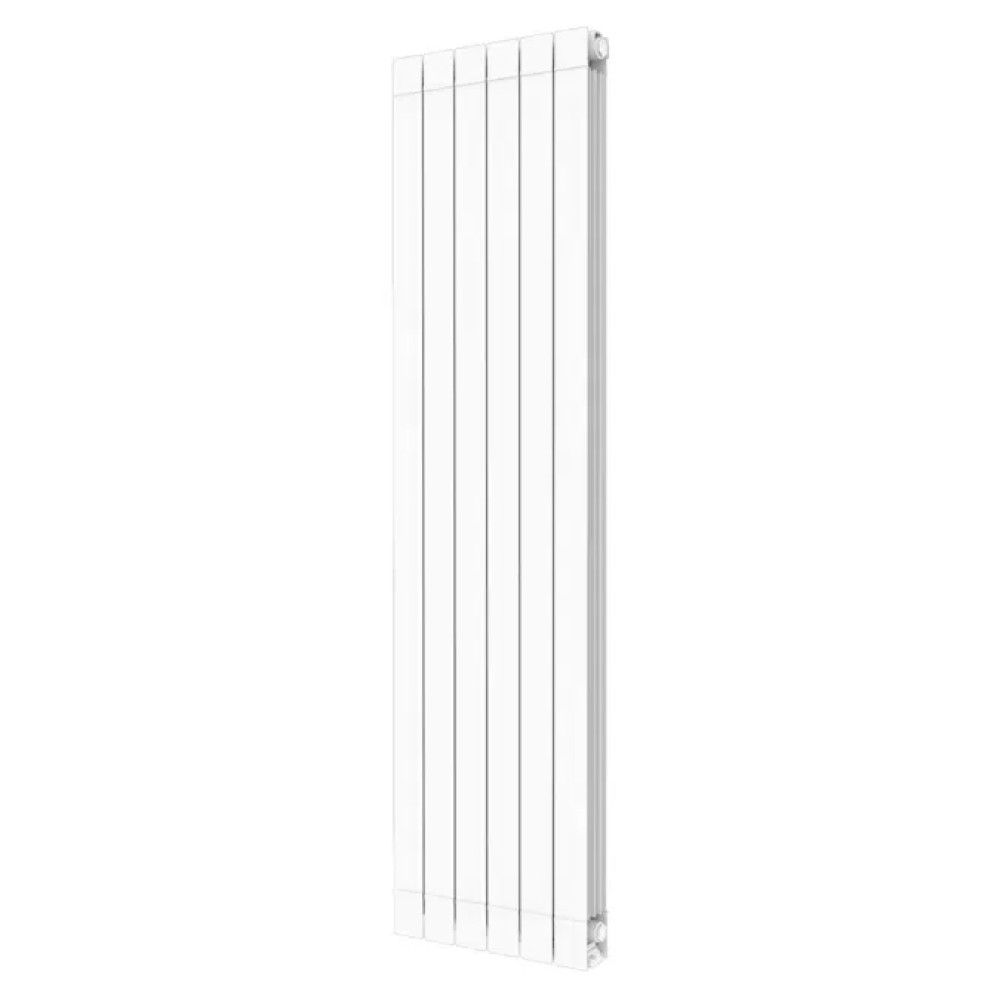
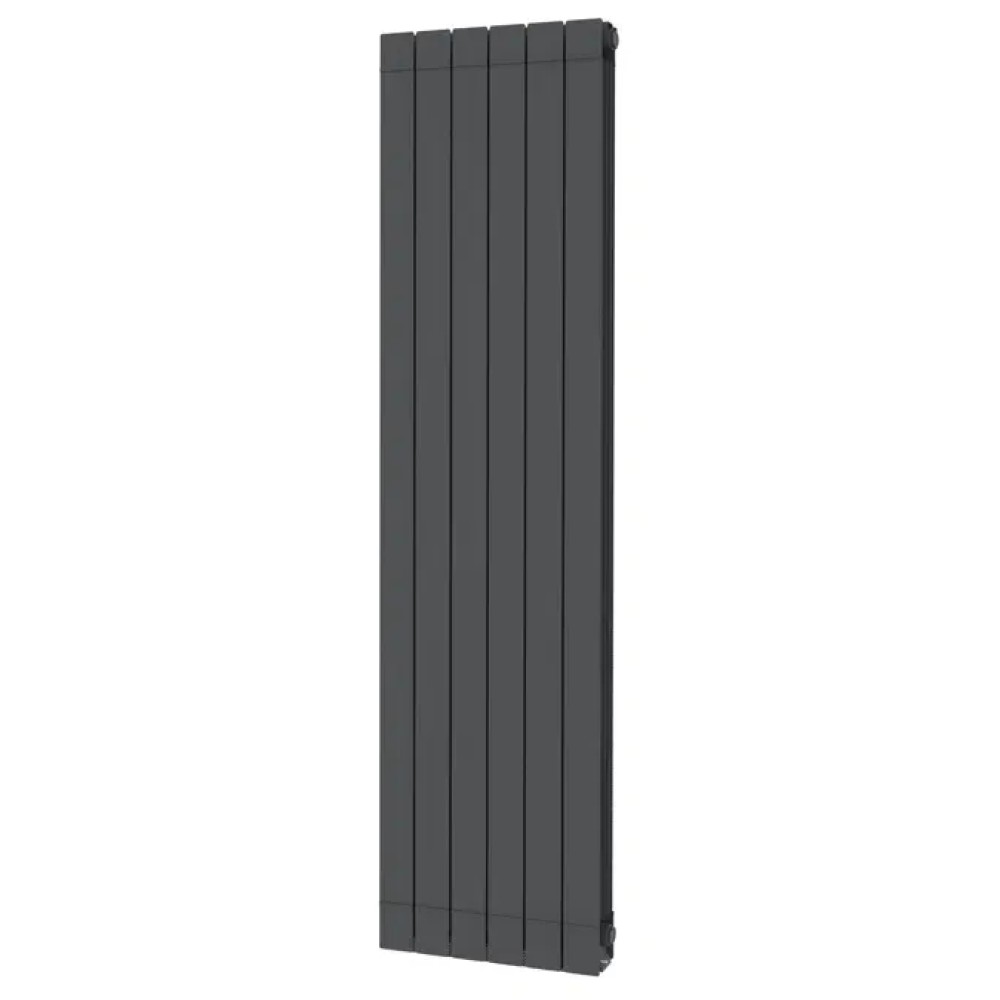
A sectional radiator is made up of individual sections connected together. Each section contributes to transferring heat into the room, while the total number of sections affects the overall heating output of the radiator.
This construction makes it possible to select a radiator according to the heating requirements of a specific space.
For example, a small bedroom and a large living room do not require the same heating output, even if the same type of radiator is used in both rooms.
Why is room size alone not enough?
Simplified recommendations often link the required number of radiator sections only to the floor area of the room.
This approach can only provide a very rough initial estimate, because many other factors affect the actual heating requirement of a space.
For example, a well-insulated 20 m² room and another 20 m² room with large panoramic windows and several external walls may require very different heating outputs.
A better question is therefore not only “how many square metres is the room?”, but also “how many watts of heating does this room require?”.
What information should you know before choosing a radiator?
Before calculating the number of sections, it is useful to know several important details about the room.
- room length and width;
- ceiling height;
- number of external walls;
- number and size of windows;
- window type;
- wall and building insulation;
- desired indoor temperature;
- heating system flow and return temperatures.
The more accurately these factors are known, the more accurately the room's heating requirement can be determined.
Step one — determine the room's heat demand
The main purpose of a radiator is to replace the heat that the room loses. This is why professional radiator selection begins with a heat-loss calculation.
Heat is lost through walls, windows, ceilings, floors and air exchange. The combined heat loss gives an estimate of how much heating output the system needs to deliver to the room.
This value is generally expressed in watts (W).
For example, if a calculation shows that a particular room requires approximately 1,600 W, the next step is to choose a radiator or number of sections capable of providing this output under the actual operating conditions.
How many radiator sections does a room need?
Once the required heating output of the room is known, the next step is to determine the output of one section of the specific radiator.
The basic calculation principle is:
required number of sections = room heating requirement ÷ actual output of one section
For example, if the room requires 1,600 W and one section of the selected radiator provides 160 W under the relevant operating conditions:
1,600 ÷ 160 = 10 sections
This is only an example of the calculation method. The actual output of a radiator should always be checked in the manufacturer's technical data and matched to the real operating temperatures of the heating system.
Why is the output of one section important?
One section of different radiator models does not necessarily provide the same amount of heat.
This is why it is incorrect to apply one universal rule to every sectional radiator, such as “one section for every X square metres”.
Ten sections of two different radiator models can have significantly different total heating outputs.
When comparing products, always check the manufacturer's stated output of one section or the whole radiator in watts.
What is ΔT and why does it matter?
The heating output shown in a radiator catalogue always relates to a specific temperature condition.
ΔT represents the temperature difference between the average temperature of the water inside the radiator and the air temperature in the room.
In simple terms, the same radiator transfers more heat when operating with hotter water, while its actual output decreases in a lower-temperature heating system.
Therefore, when comparing the wattage of two radiators, it is also important to check the ΔT at which that output is stated.
Choosing a radiator for a central heating system
If your home uses a heating boiler, it is important to know the planned flow and return temperatures of the system.
The technical output of the radiator should correspond to this operating regime. Otherwise, the output shown in the catalogue may differ from the real output under your system's conditions.
This is particularly important in modern heating systems designed to operate with lower water temperatures.
How does insulation affect radiator size?
A well-insulated room loses less heat, so it may require less heating output than a poorly insulated room of the same size.
Consider:
- external wall insulation;
- window quality;
- roof or ceiling insulation;
- floor condition;
- unwanted air leakage.
This is why rooms of the same size in an older and a newer building may require different radiator outputs.
Why do the number and size of windows matter?
Windows are an important factor in the thermal balance of a room. Large glazed areas can increase the heating requirement.
A living room with large panoramic windows should therefore not be assessed only by its floor area.
The size, type and thermal performance of the windows should also be considered.
Why does ceiling height affect heating requirements?
Floor area in square metres only describes the size of the floor, while heating also relates to the volume of air in the room.
For example, two 20 m² rooms with ceiling heights of 2.7 metres and 3.5 metres do not have the same volume.
In rooms with higher ceilings, this should therefore be included in the overall heat-loss calculation.
How should you choose radiator height?
Once the required heating output has been determined, the physical dimensions of the radiator also need to be considered.
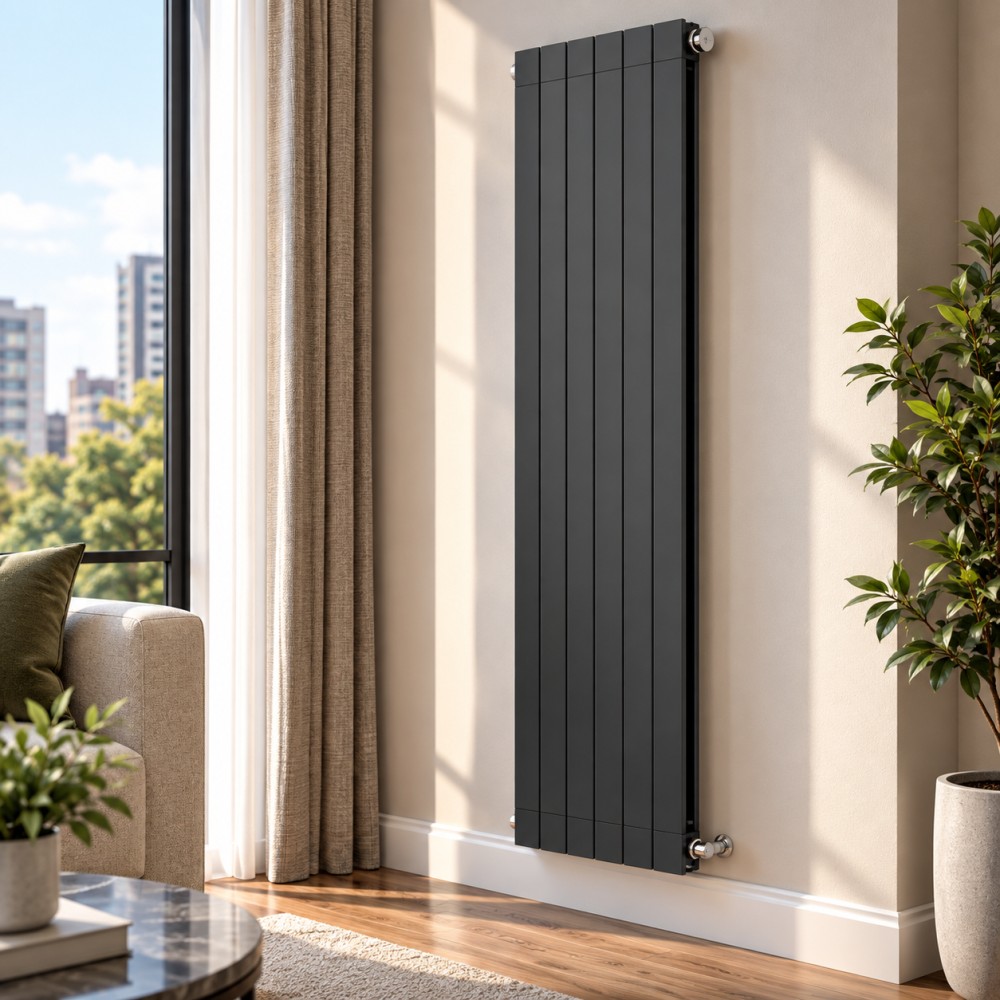
Different interiors provide different amounts of available wall space. In some cases, a lower radiator may fit better, while a taller model may suit a narrow wall, provided its technical performance matches the room's heating requirements.
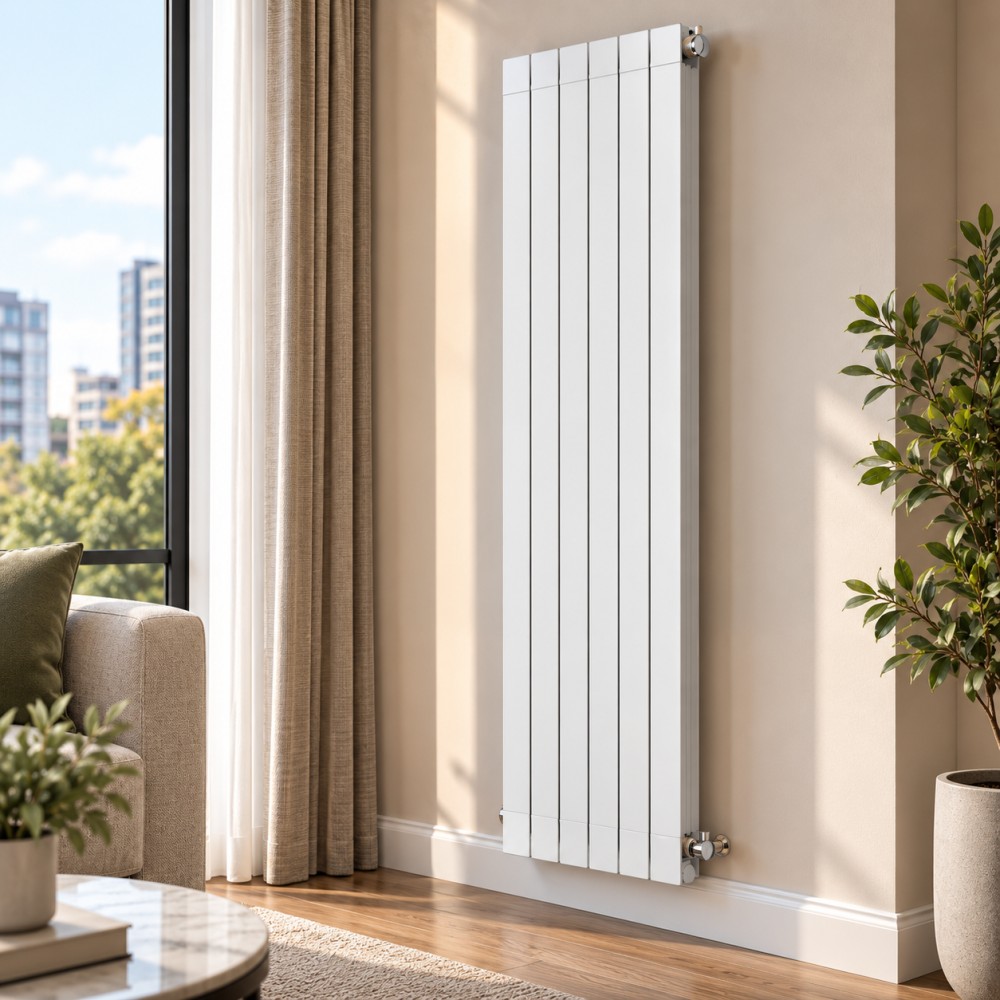
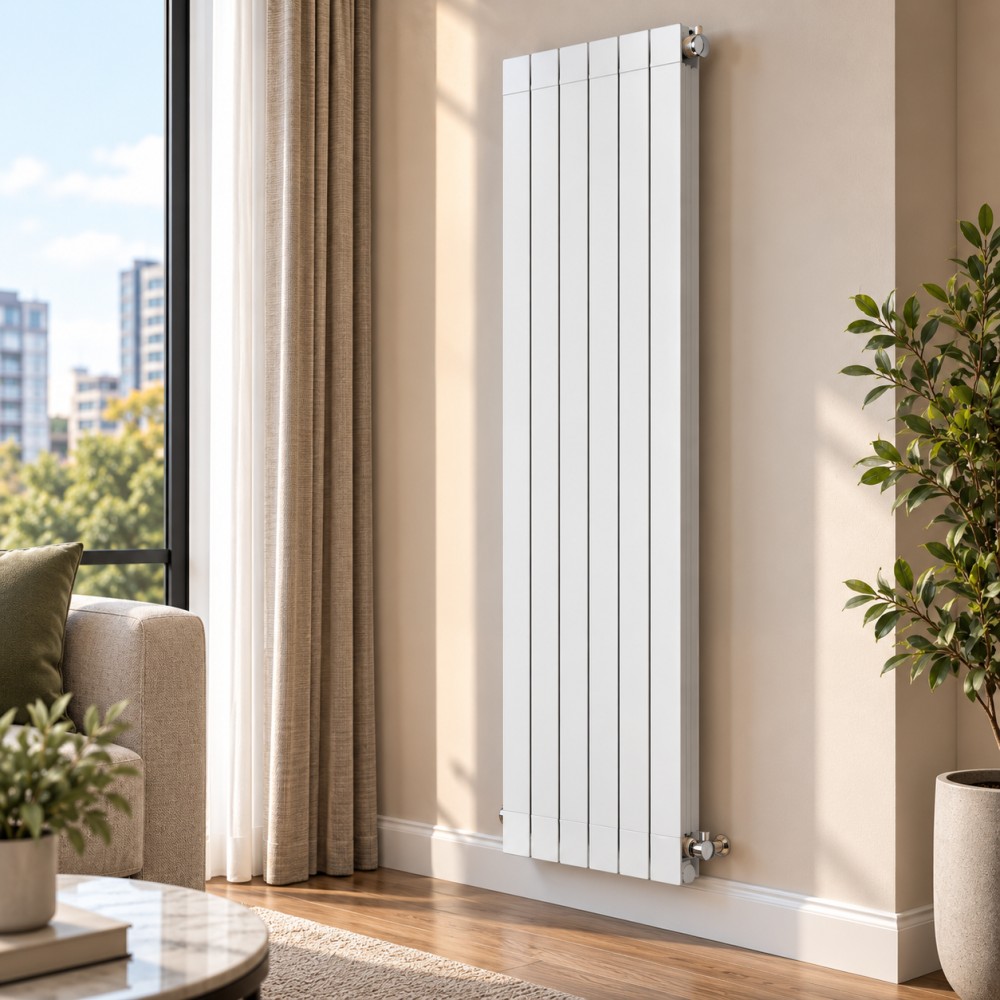
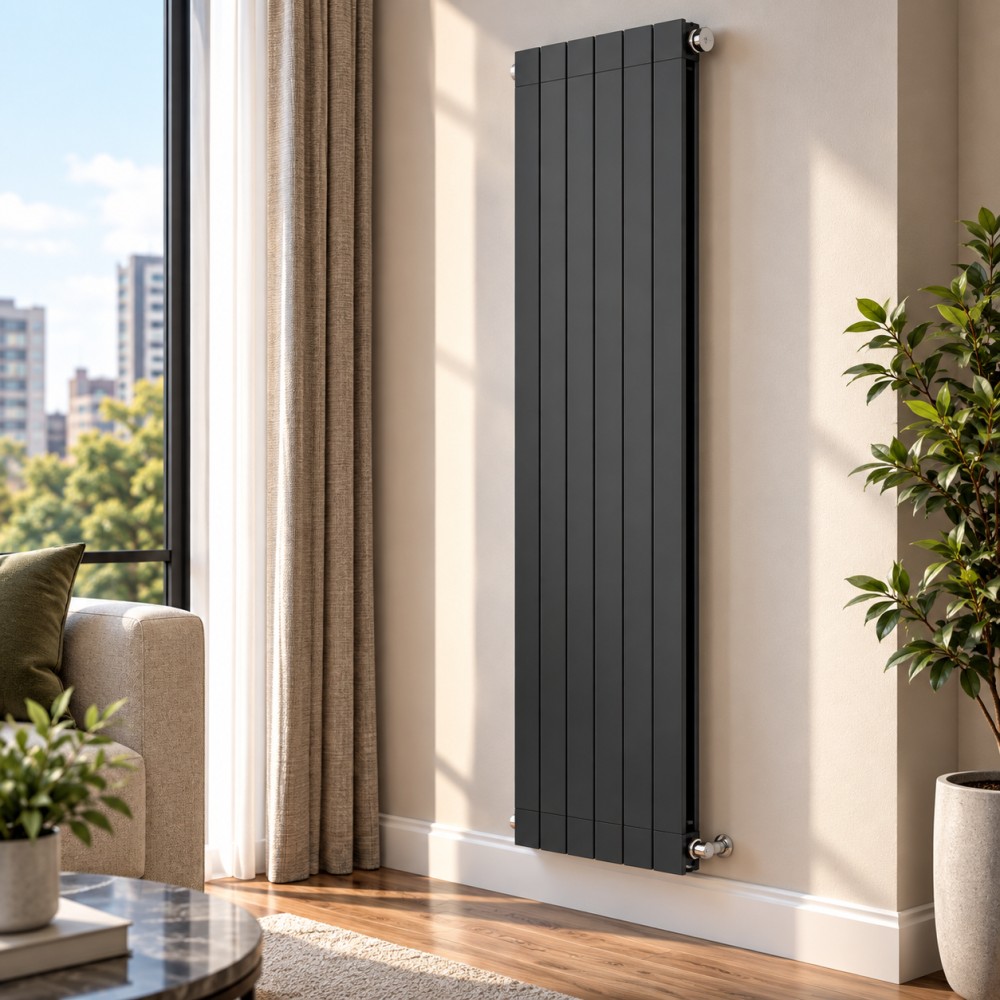
ADELYO offers sectional radiators in different heights. For example, you can explore a 50 cm aluminium sectional radiator, an 80 cm aluminium sectional radiator and a 180 cm aluminium sectional radiator.
Height should always be considered together with output, number of sections and available wall space.
Is a larger radiator always better?
No. The goal is not to install the largest radiator possible, but to provide the heating output that the room actually requires.
A radiator with insufficient output may struggle to bring the room to the desired temperature.
On the other hand, choosing a radiator purely on the basis of maximum size is also unnecessary. Heat demand, control method, operating temperature and actual radiator output should all be considered.
Where should a radiator be installed?
The radiator position should ideally be planned together with the heating system and the overall interior.
Consider:
- pipe positions;
- radiator dimensions;
- windows and external walls;
- furniture placement;
- manufacturer-required installation clearances;
- space for unrestricted air circulation.
Covering a radiator with large furniture or other obstacles can restrict the movement of warm air through the room, so this should be planned in advance.
Sectional radiators and interior design
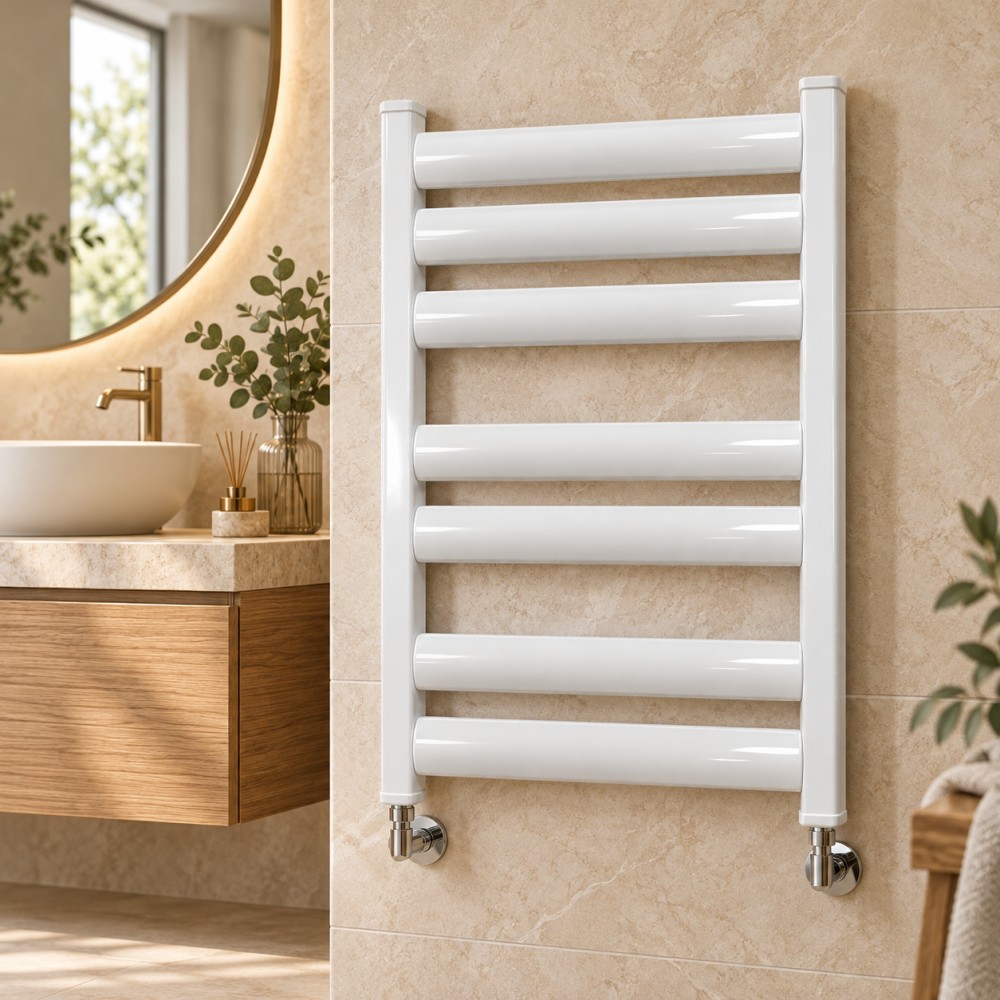
A radiator is not only a heating appliance — it is also a permanently visible element of the wall.
Once the technical requirements have been met, its proportions, shape, colour and position in the room also matter.
Modern home improvement brings function and visual design together: a product should perform its practical role while also fitting naturally into the interior.
This approach reflects ADELYO's broader concept, where home decor and functional home improvement are considered parts of the same living environment.
Common mistakes when choosing a sectional radiator
- Choosing only by floor area — without considering insulation, windows and other heat losses.
- Assuming every radiator section has the same output — different models can have different output per section.
- Ignoring ΔT — catalogue output is stated for specific temperature conditions.
- Choosing only by physical size — a larger radiator is not automatically suitable for your system.
- Planning the radiator position too late — which may create conflicts with furniture placement.
- Not checking technical data — particularly output and operating conditions.
How to choose a sectional radiator step by step
- Measure the length, width and ceiling height of the room.
- Consider external walls, windows and insulation.
- Determine the heating output required by the room in watts.
- Determine the operating temperature of the heating system.
- Check the output of the specific radiator at the relevant ΔT.
- Calculate the required number of sections.
- Choose a height and size that fit the available wall space.
- Plan the installation position and check the manufacturer's requirements.
If a new heating system is being designed or the room has a complex configuration, the final heat-loss calculation and required radiator output should ideally be confirmed by a heating specialist or system designer.
How to choose a radiator for a small room
A small room does not automatically require the smallest radiator.
If it has a large window, poor insulation or two external walls, its heating requirement may be higher than expected.
Even in a small room, the required heating output should be determined first, followed by radiator size and number of sections.
How to choose a radiator for a large living room
In a large living room, it is particularly important to consider the total heat loss of the space.
Open-plan layouts, large windows, high ceilings and several external walls all influence heating requirements.
In some cases, instead of using one large radiator, heating output can be distributed across several points in the room. The final decision should be based on the heating design and room layout.
What matters more — the number of sections or radiator output?
Ultimately, the main parameter is total heating output.
The number of sections is simply a way of achieving the required output. Therefore, when comparing two radiator models, do not look only at how many sections they have.
Compare their actual output under the same operating temperature conditions.
Sectional radiators at ADELYO
At ADELYO, you can choose an aluminium sectional radiator in different heights and designs, allowing you to consider both technical requirements and interior proportions.
Different sizes can help you select a radiator for a relatively low window area or for a narrow, taller section of wall.
At ADELYO, radiators are part of home improvement — a direction that connects heating, plumbing and other functional products with contemporary interior planning.
Frequently asked questions about sectional radiators
How many sections are needed for a 20 m² room?
It is not possible to determine the exact number from the 20 m² floor area alone. The room's heat loss should be calculated first, and the required output then divided by the actual output of one section of the selected radiator.
Can the number of sections be calculated only by floor area?
Floor area can be used for an initial estimate, but a more accurate selection should also consider insulation, windows, ceiling height, external walls and heating-system temperatures.
Why does the same radiator have different outputs at different temperatures?
The heat transferred by a radiator depends on the temperature difference between the water inside the radiator and the air in the room. When this difference decreases, the radiator's heat output also decreases.
Are more sections always better?
No. The objective is to provide the amount of heating output the room actually needs. The required number of sections should be based on the heat-loss calculation and the technical data of the specific radiator.
What should I check before buying a radiator?
Check heating output, height, section specifications, operating temperature and pressure, connection type, installation space and compatibility with your heating system.