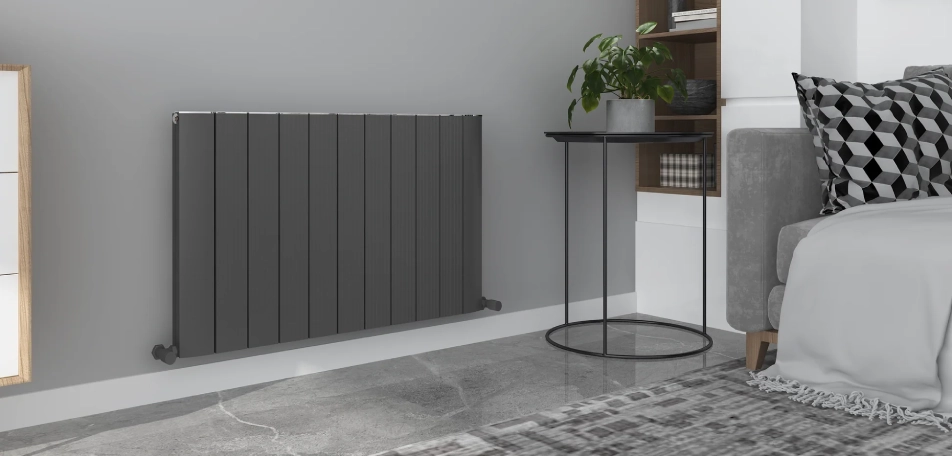
Choosing a radiator is not simply a matter of size and appearance. The material, heating output, operating conditions, number of sections and compatibility with the heating system all need to be considered.
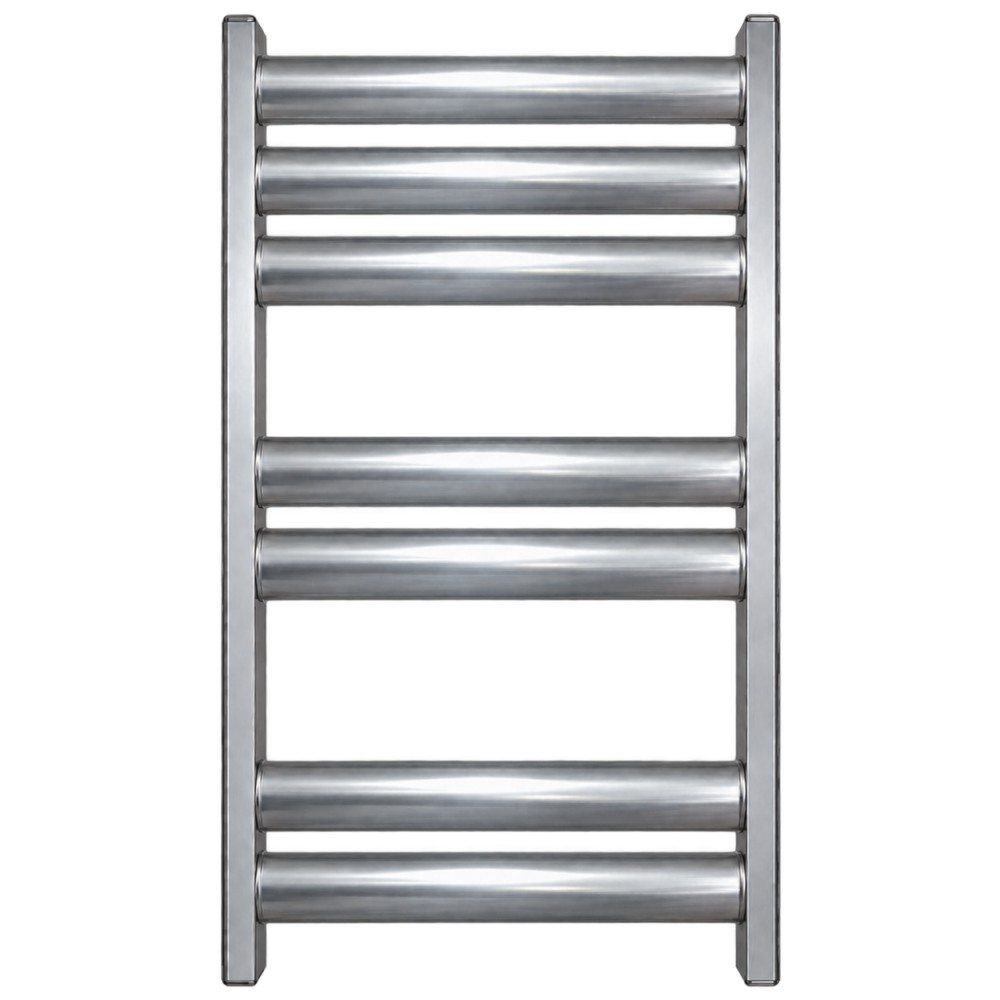
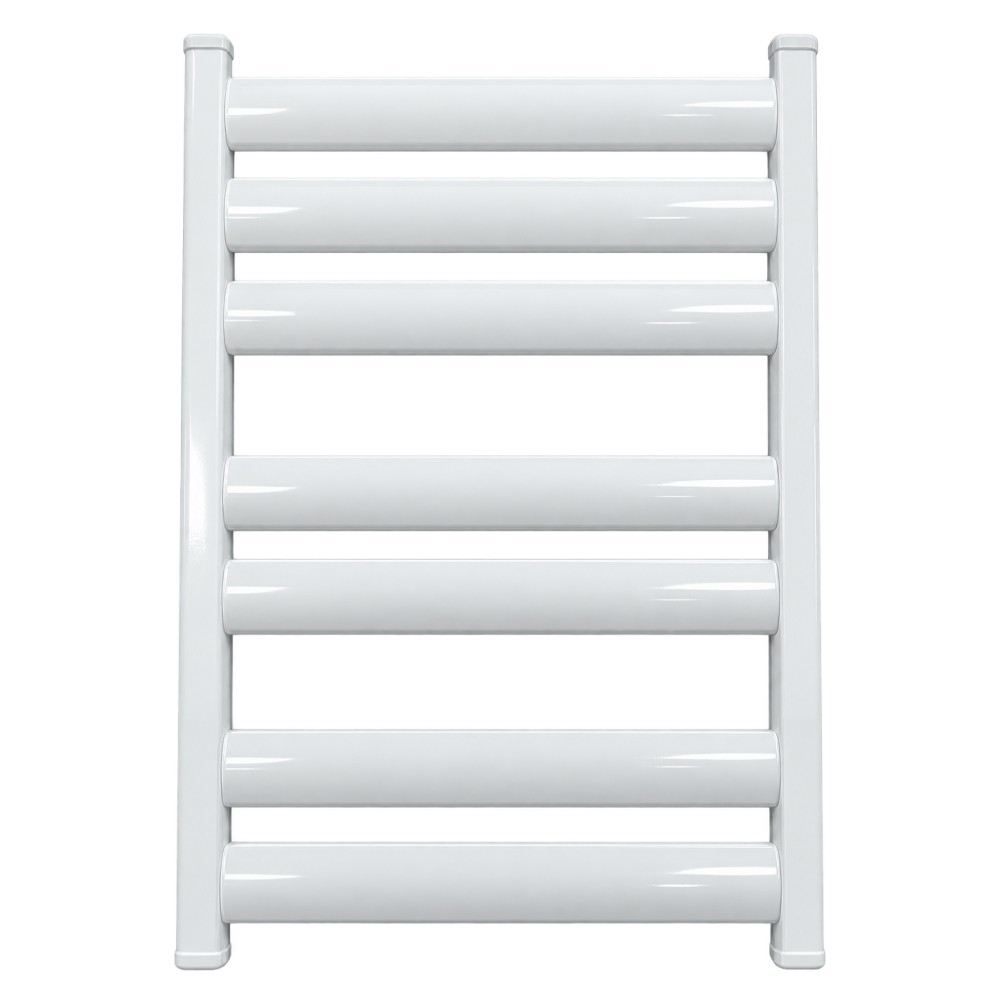
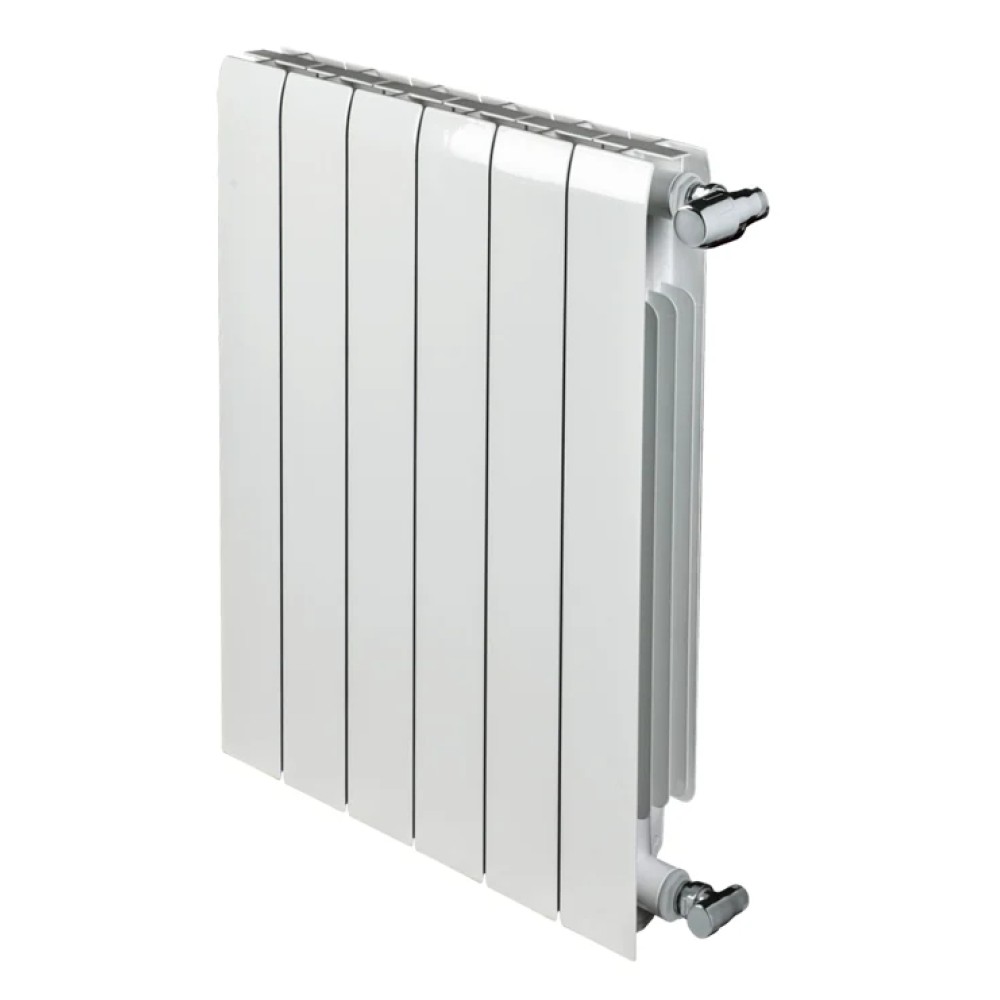
One common option is an aluminium sectional radiator, which consists of individual sections connected together.
In this guide, we explain the main features of aluminium sectional radiators, their practical advantages and what to check before choosing a model.
What is an aluminium sectional radiator?
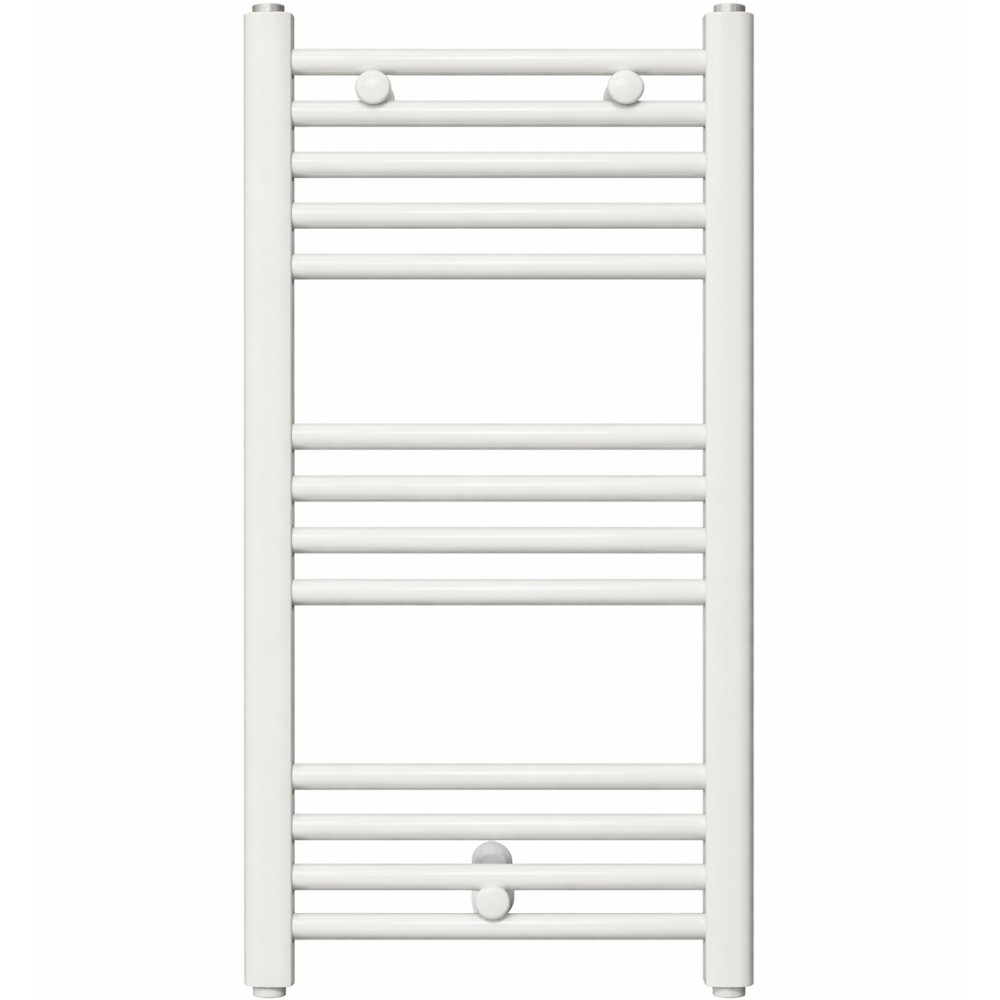
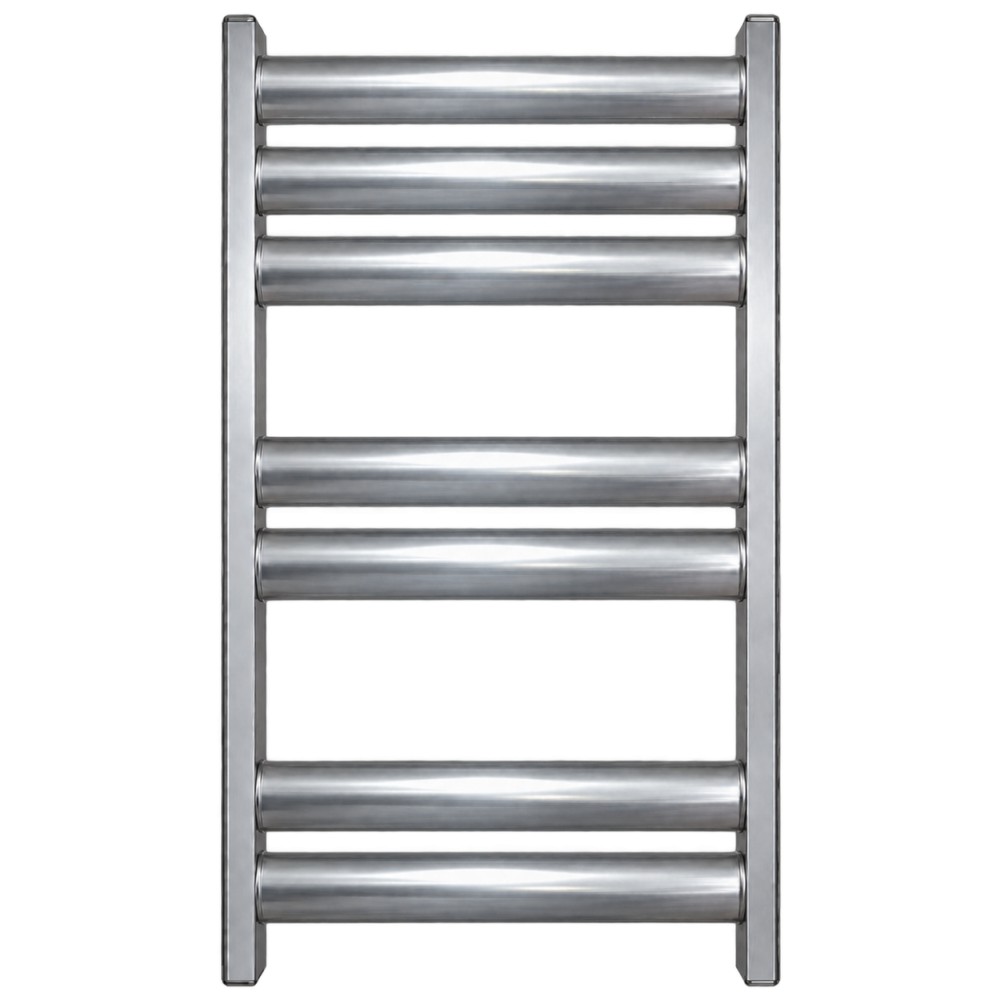
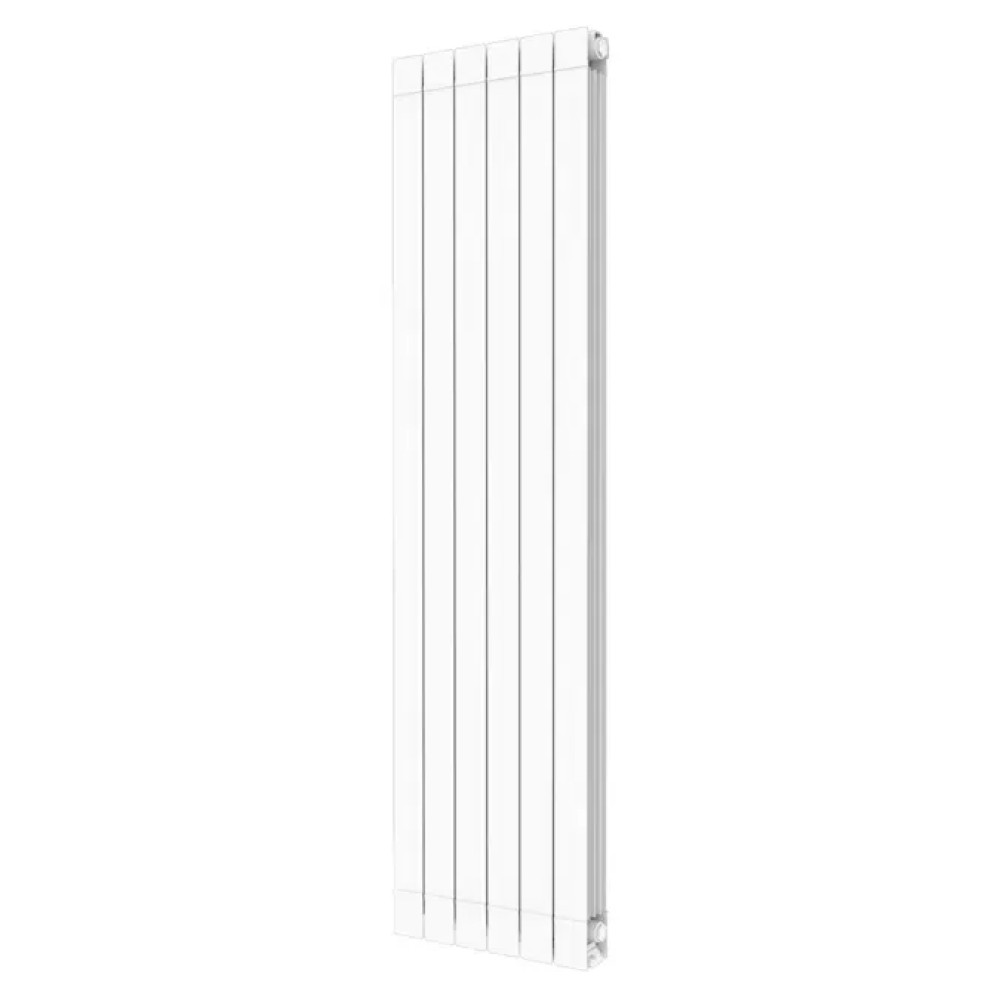
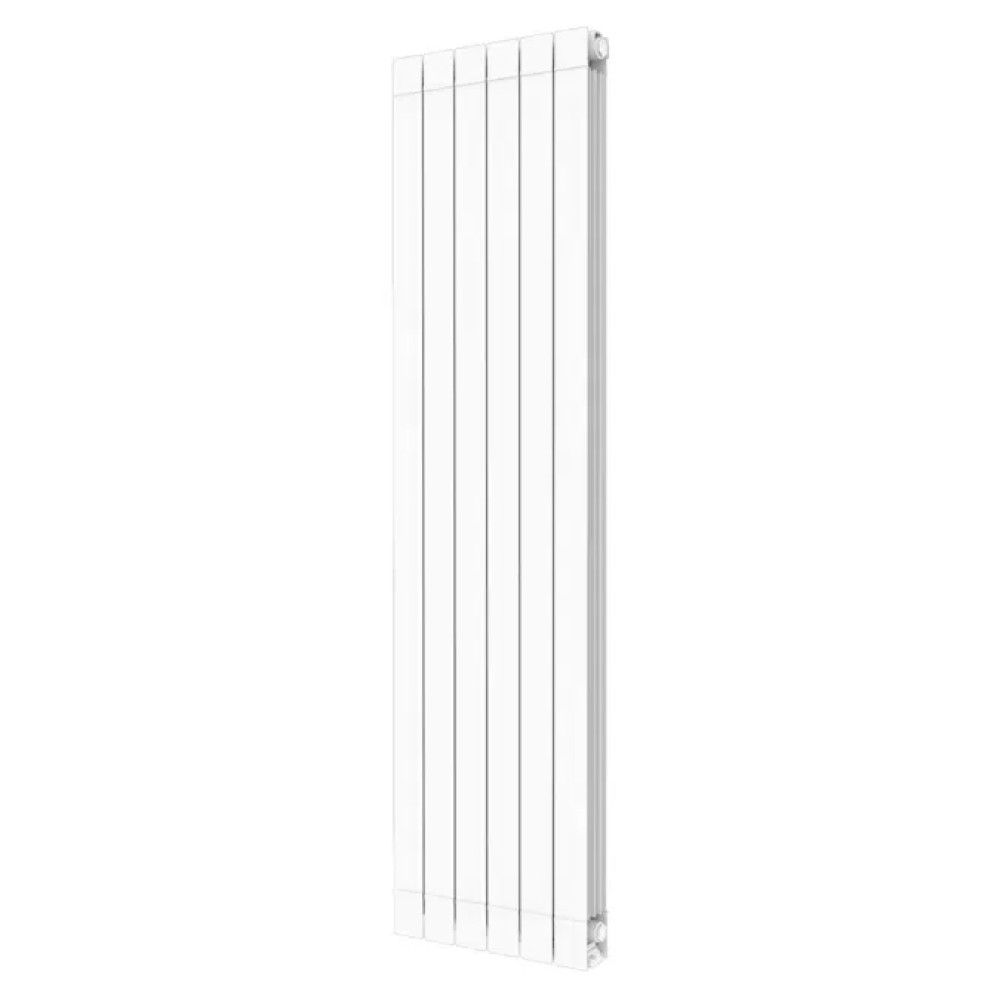
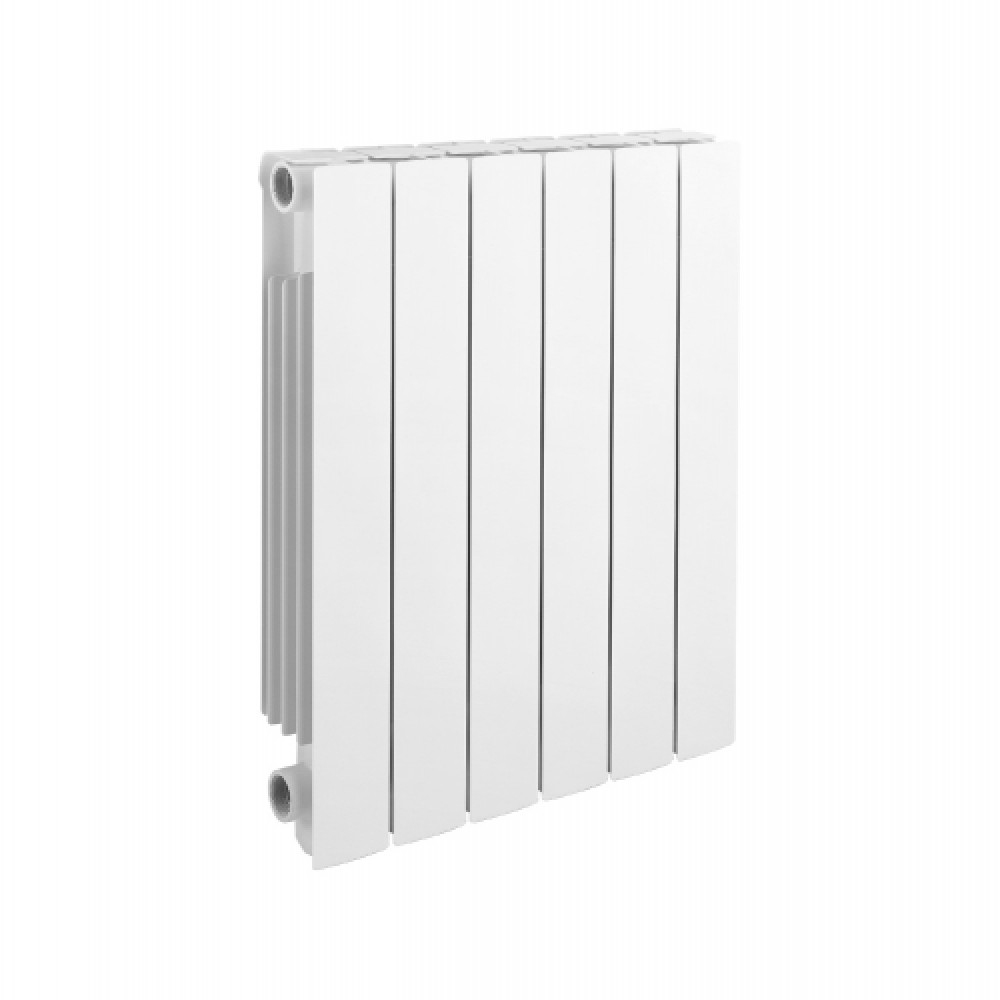
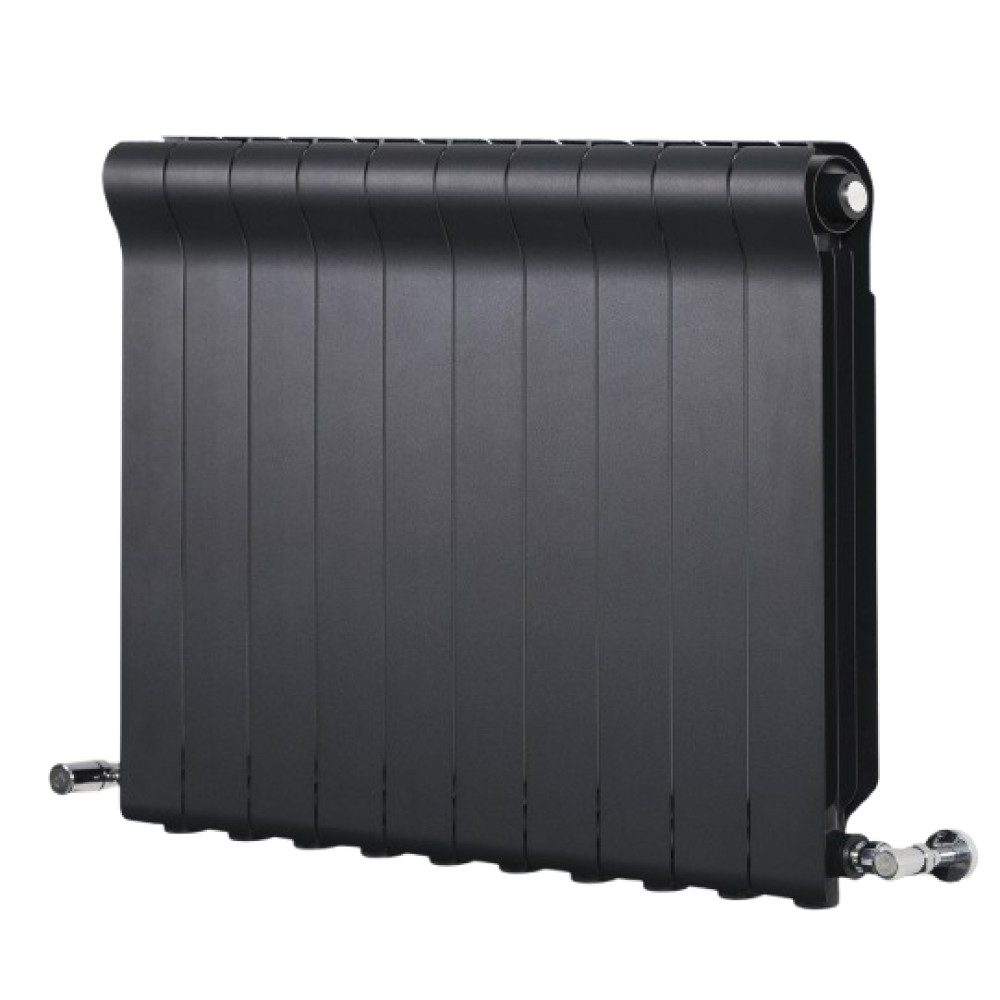
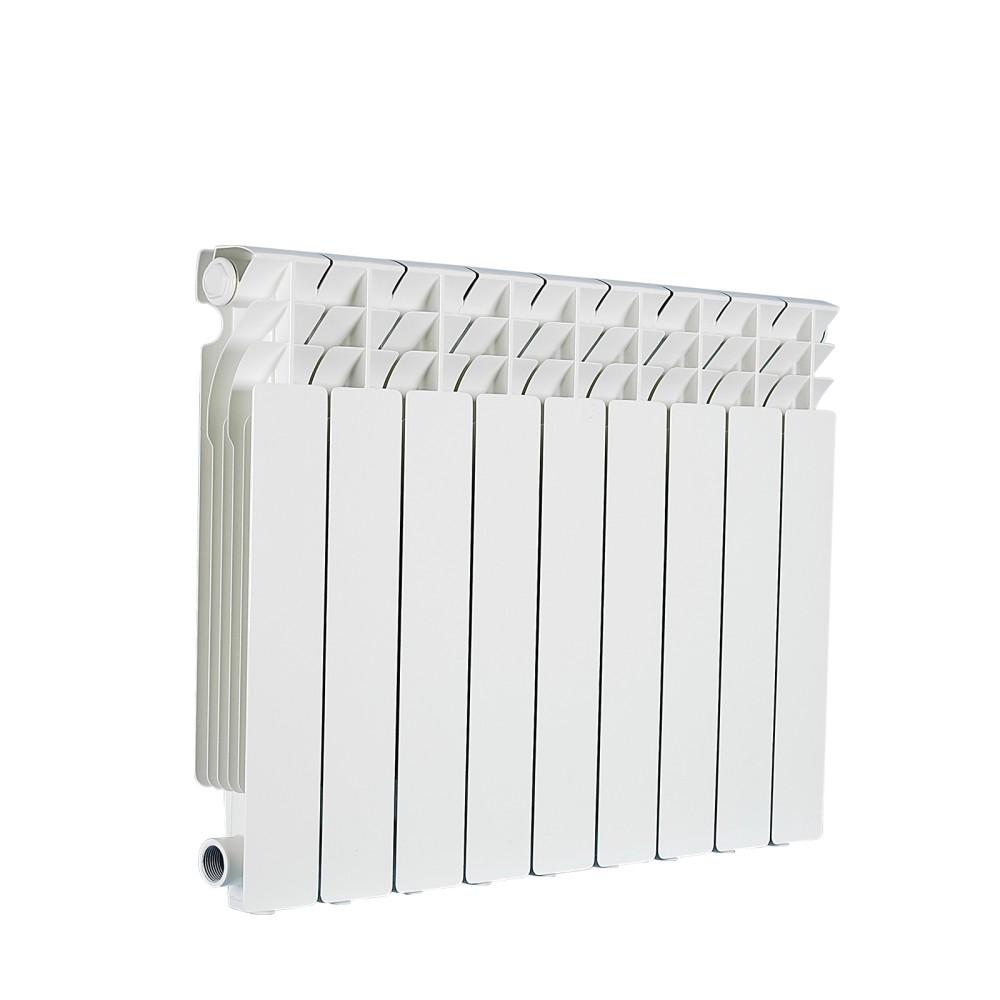
A sectional radiator is built from individual sections connected to form one heating appliance.
Each section contributes to transferring heat into the room, while the total number of sections affects the overall heat output.
In aluminium models, aluminium is the main construction material, influencing the radiator's weight, thermal response and overall design.
What are the benefits of an aluminium sectional radiator?
Relatively lightweight construction
Aluminium is a comparatively lightweight material, which can make transportation and installation more convenient than some heavier alternatives.
Fast thermal response
Due to aluminium's good thermal conductivity, the radiator can respond relatively quickly to changes in heating-system temperature.
This can be useful when heating is controlled with thermostatic valves or automated room-temperature controls.
Sectional construction
The number of sections can be selected according to the heating output required by the room.
Different height options
Radiators of different heights make it easier to balance heating requirements with the available wall space.
Does an aluminium radiator heat a room quickly?
It is important to distinguish between how quickly the radiator itself heats up and how quickly the entire room becomes warm.
Room heating speed also depends on:
- total radiator output;
- room heat loss;
- insulation;
- window size;
- ceiling height;
- heating-system water temperature.
The radiator material alone therefore cannot determine how quickly a particular room will reach the desired temperature.
How many sections should an aluminium radiator have?
The required number of sections should be based on the actual heating requirement of the room.
A simple principle is:
required room heat output ÷ actual output per section = required number of sections
Output per section is not identical across all models. It varies according to radiator design, height and the temperature conditions under which the output is specified.
Why does radiator height matter?
Radiator height affects both technical selection and how the product fits into the interior.
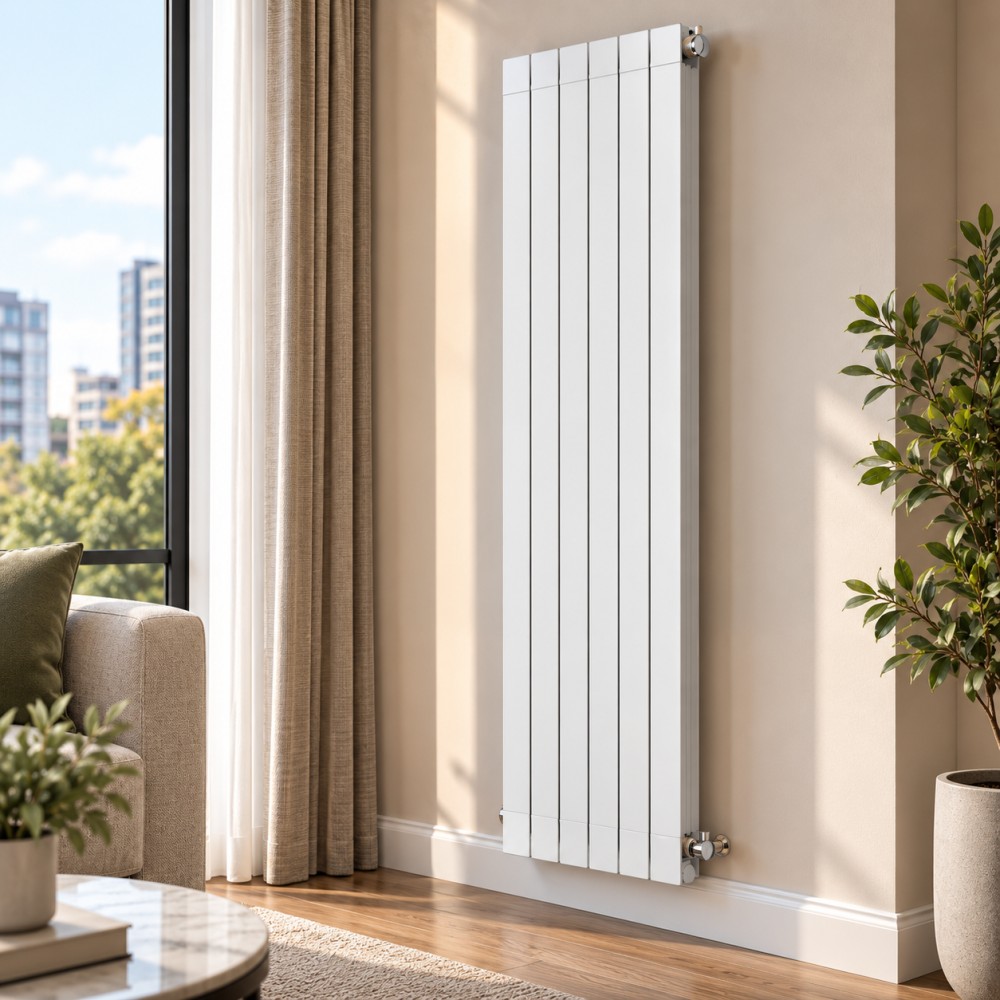
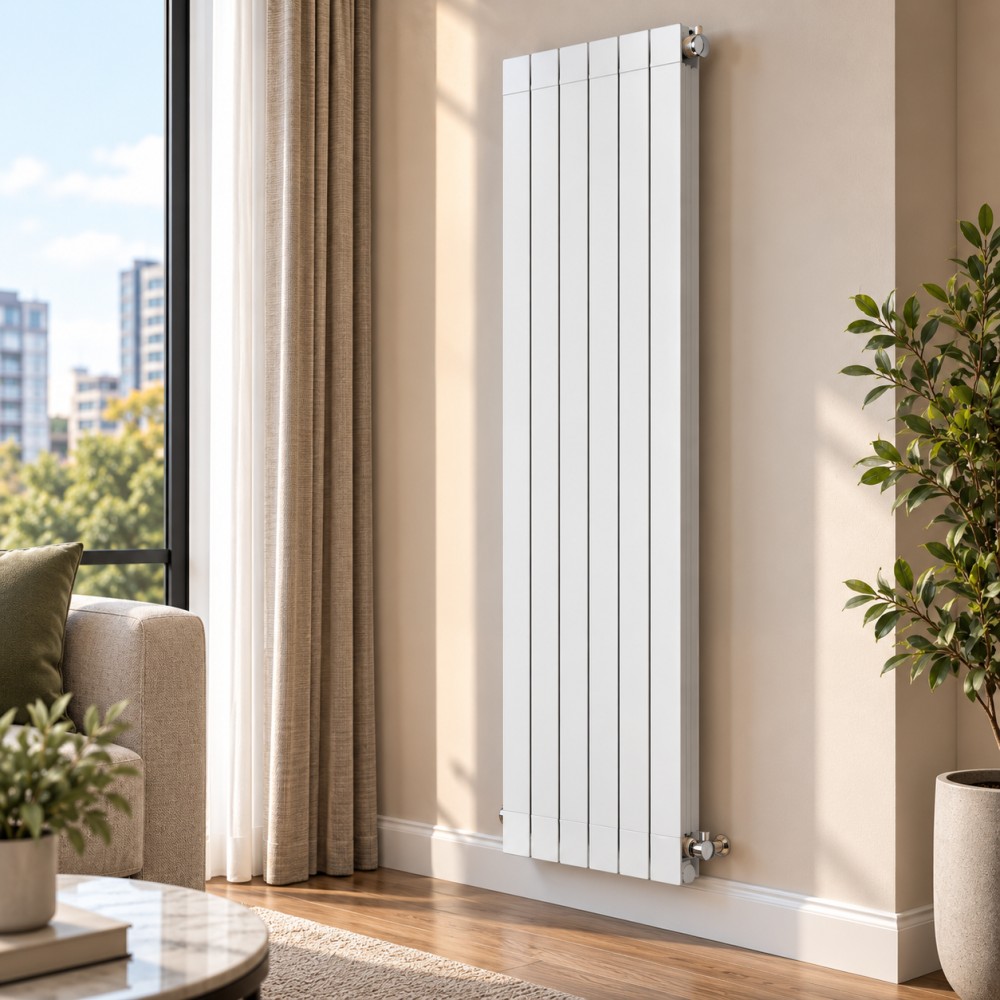
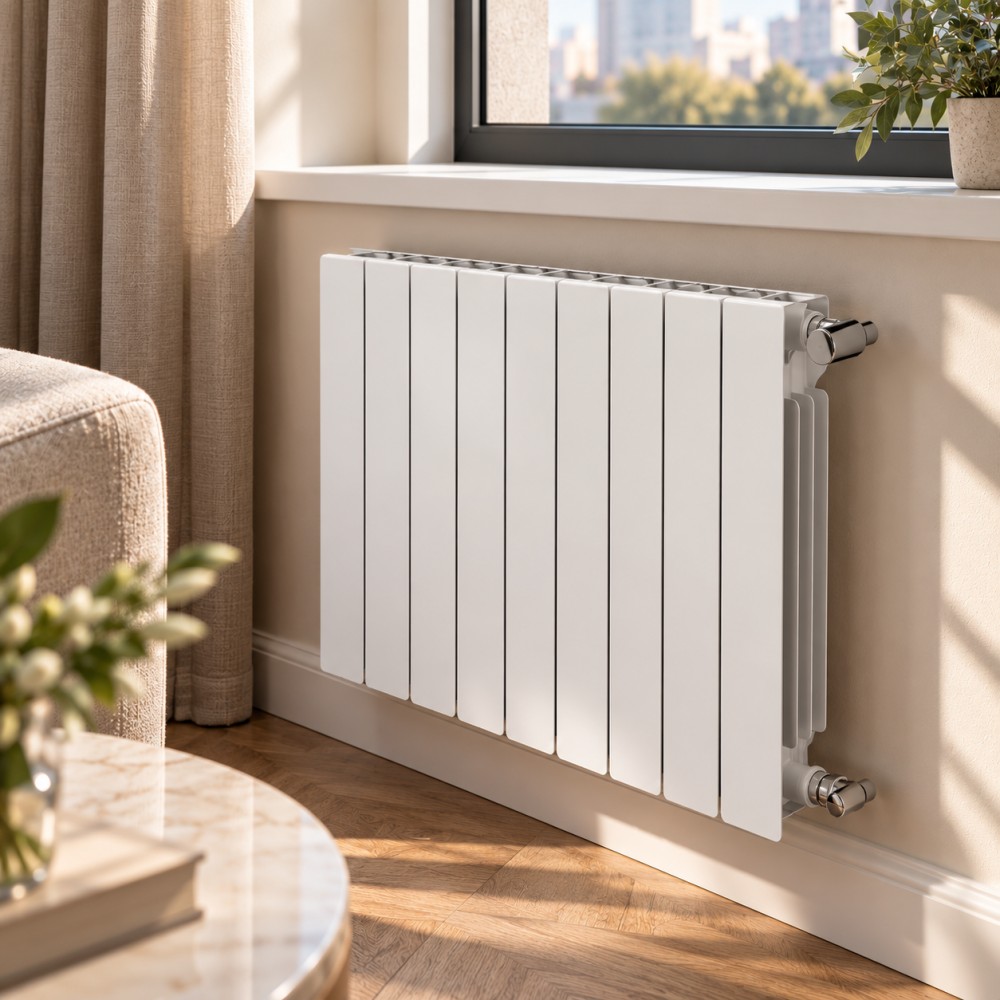
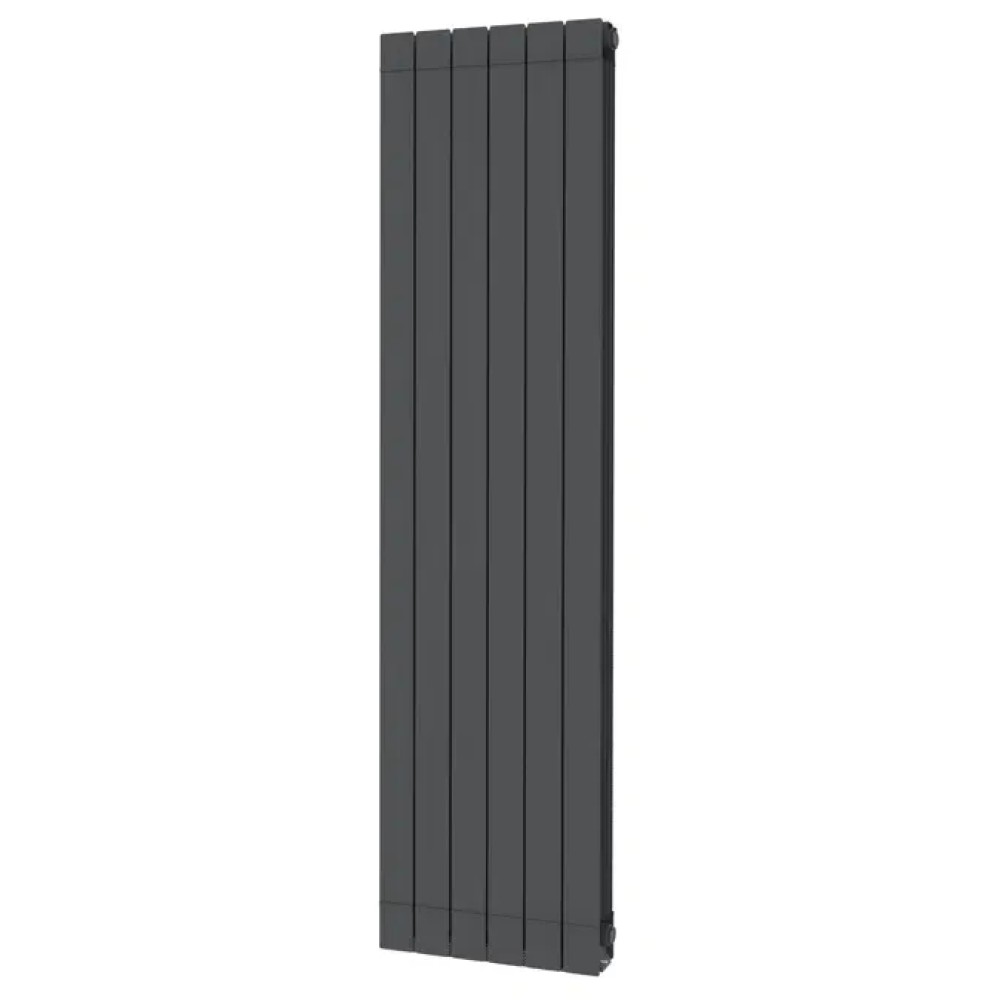
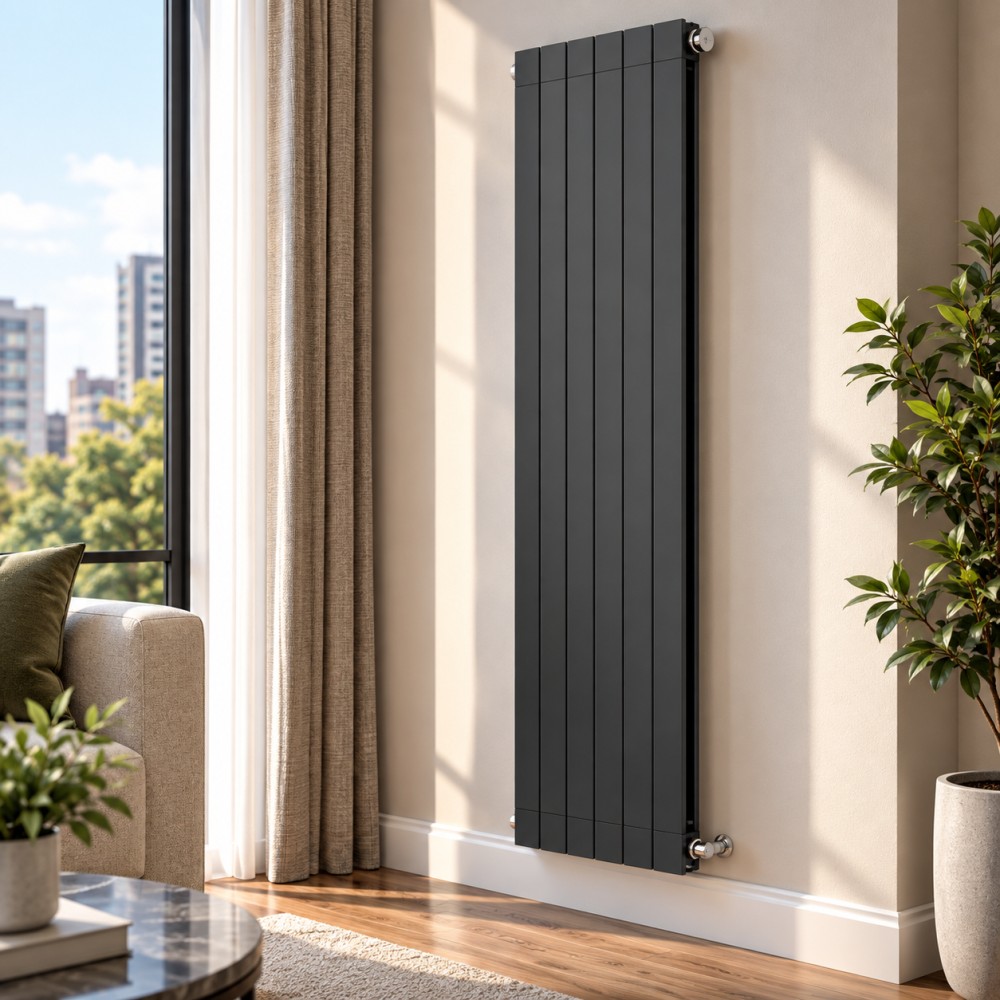
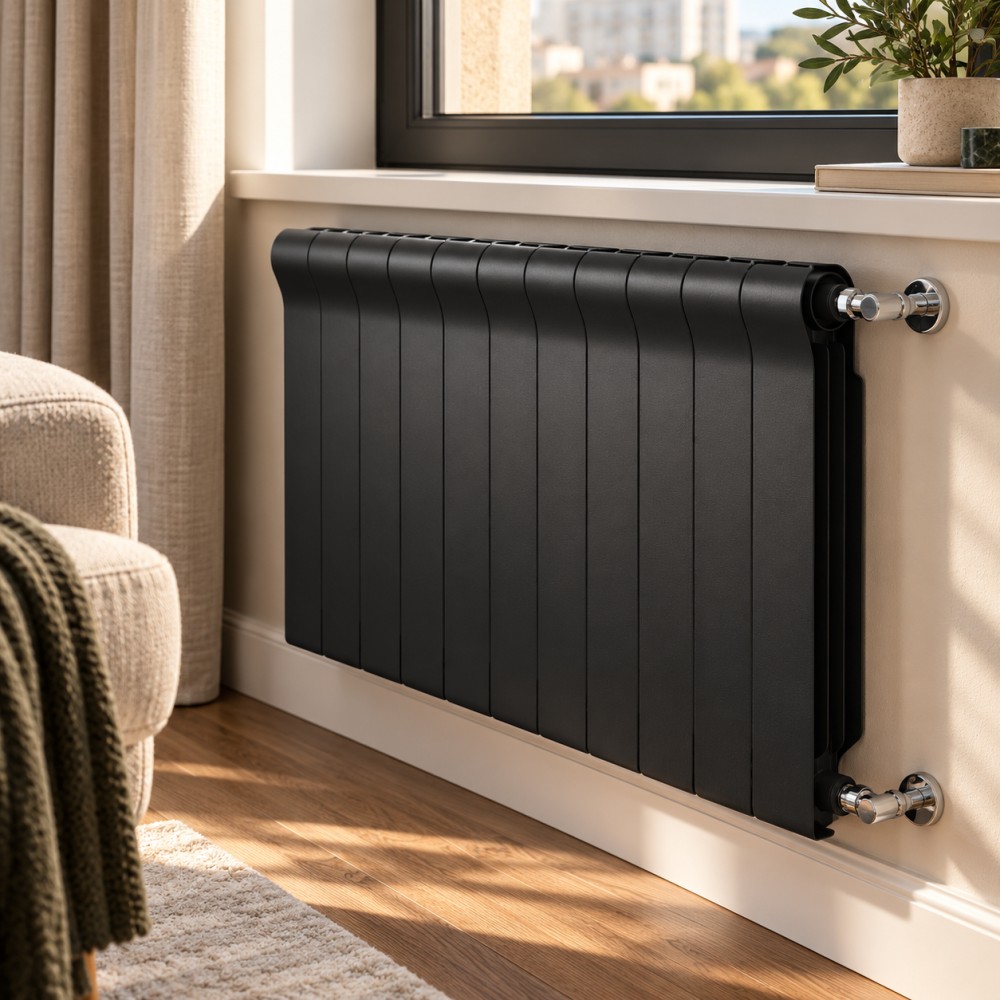
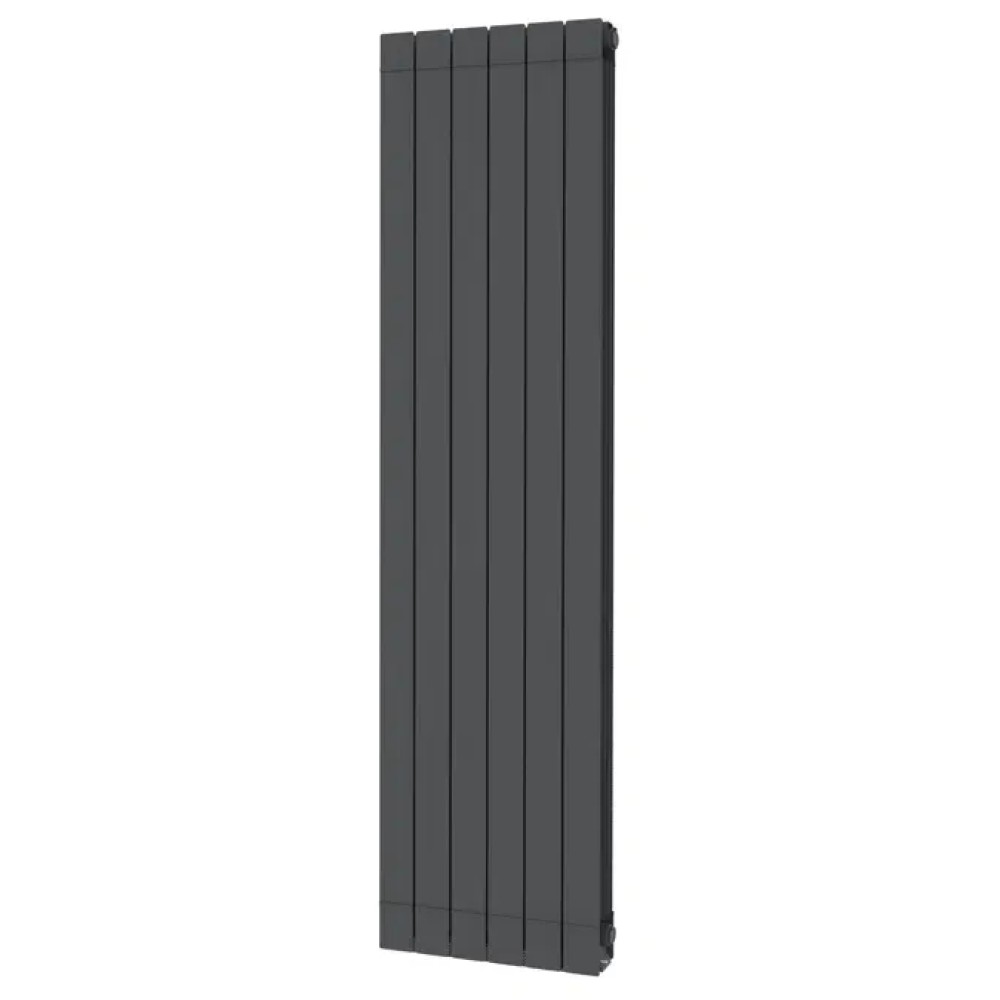
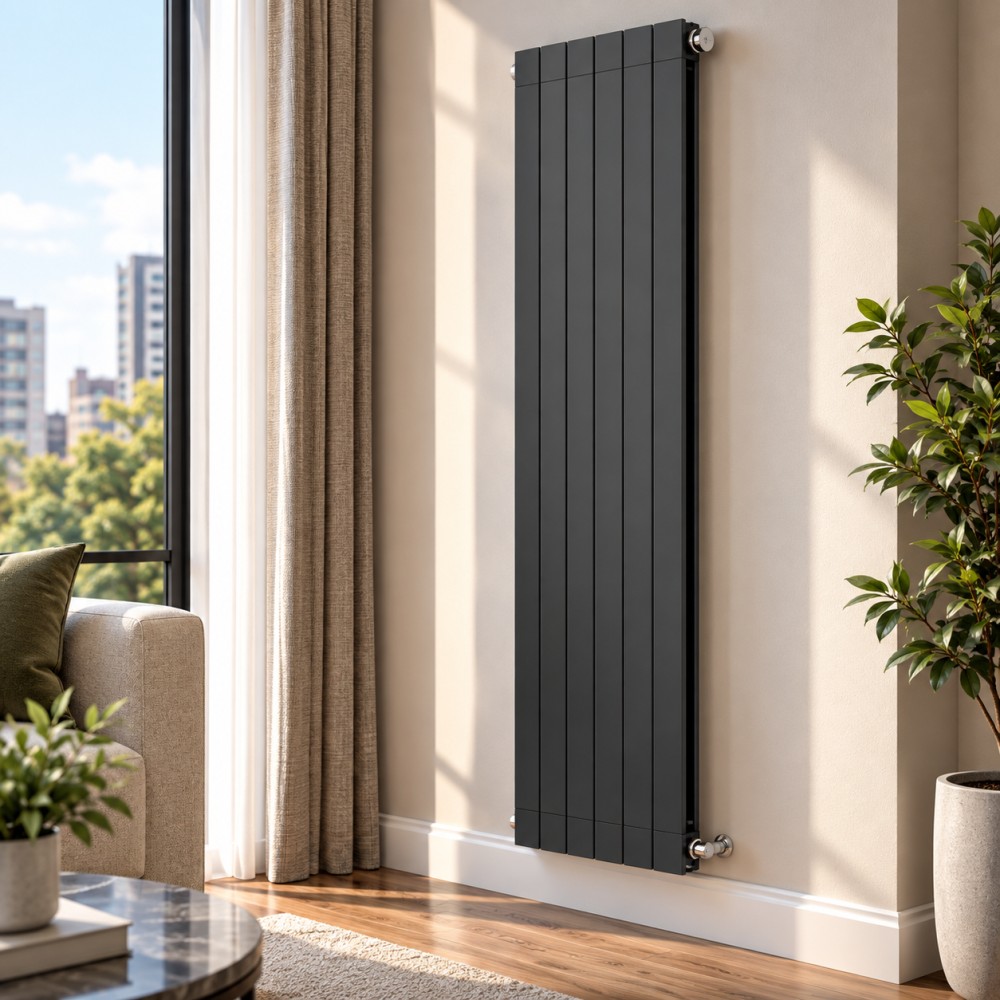
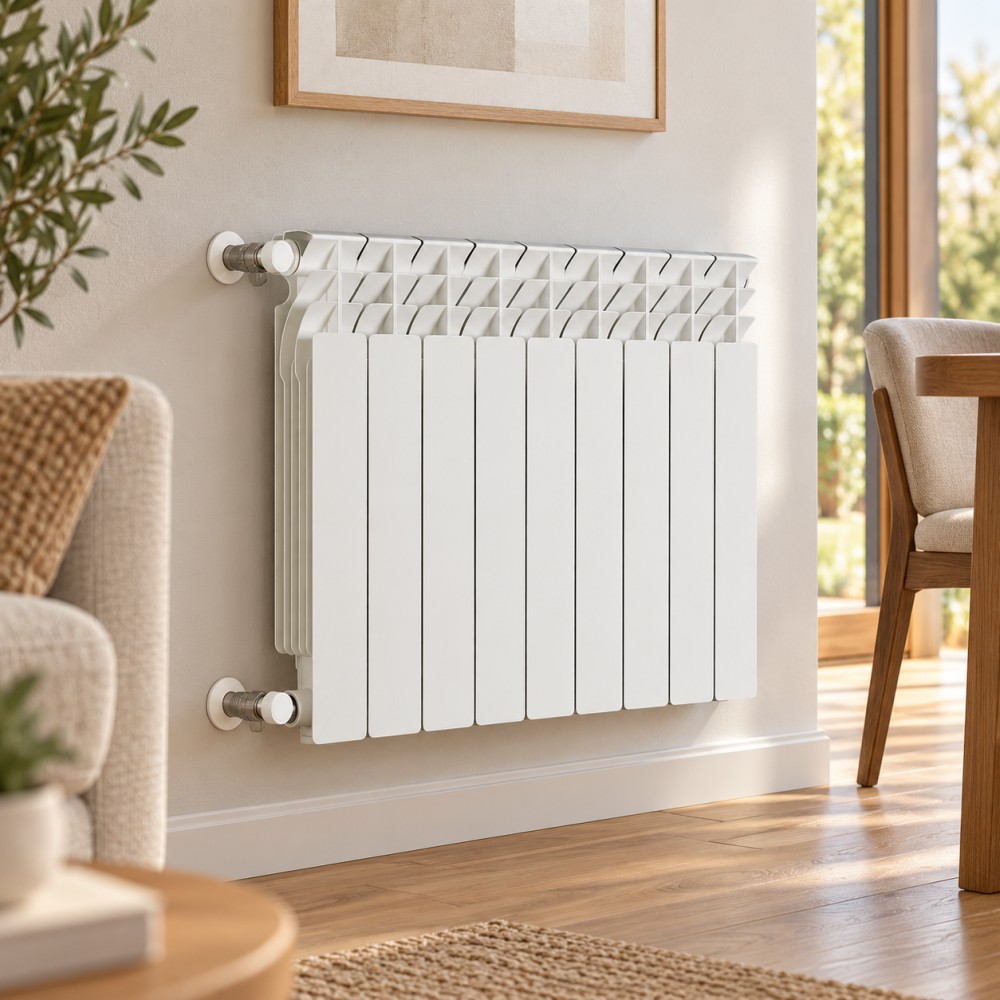
A lower radiator may work well beneath a window, while a taller model can be suitable for a narrow section of wall.
ADELYO offers, for example, a 60 cm aluminium sectional radiator, a 120 cm aluminium sectional radiator and a 180 cm aluminium sectional radiator.
Height should not be chosen purely for appearance: the radiator must still provide the heat output required by the room.
Aluminium radiators and heating-system temperature
The same radiator does not deliver identical output under every heating-system temperature.
Heat output depends on the difference between the average water temperature in the radiator and the indoor air temperature.
When reviewing technical data, always check the temperature conditions under which the stated output was measured.
Why should operating pressure be checked?
Before purchasing a radiator, check the manufacturer's specified operating and maximum permitted pressure.
This helps determine whether the model is suitable for your particular heating system.
It should not be assumed that every aluminium radiator is suitable for every installation.
Water quality and aluminium radiators
The characteristics of the water or heat-transfer fluid can affect the long-term operation of metallic components in a heating system.
It is therefore important to follow the manufacturer's requirements regarding system water and installation, including the compatibility of different materials.
Aluminium sectional radiator for a private house
In a private home, the heating system can be designed around the required water temperature, individual room heat losses and radiator outputs.
Ideally, these requirements should be determined during the heating-system design stage.
Aluminium sectional radiator for an apartment
When replacing a radiator in an apartment, size and design should not be the only considerations.
Check the system's:
- operating pressure;
- temperature regime;
- connection type;
- pipe positions;
- compatibility with the selected radiator.
For a shared building heating system, technical conditions should ideally be confirmed with a qualified specialist.
Why should you not choose a radiator based only on price?
A radiator is a long-term functional component of a heating system, so the lowest price should not be the only selection criterion.
Compare:
- heat output;
- operating pressure;
- operating temperature;
- dimensions;
- section specifications;
- connection type;
- manufacturer requirements.
The most suitable radiator is the one that matches the room and the heating system, not simply the cheapest or largest model.
Aluminium radiators and contemporary interiors
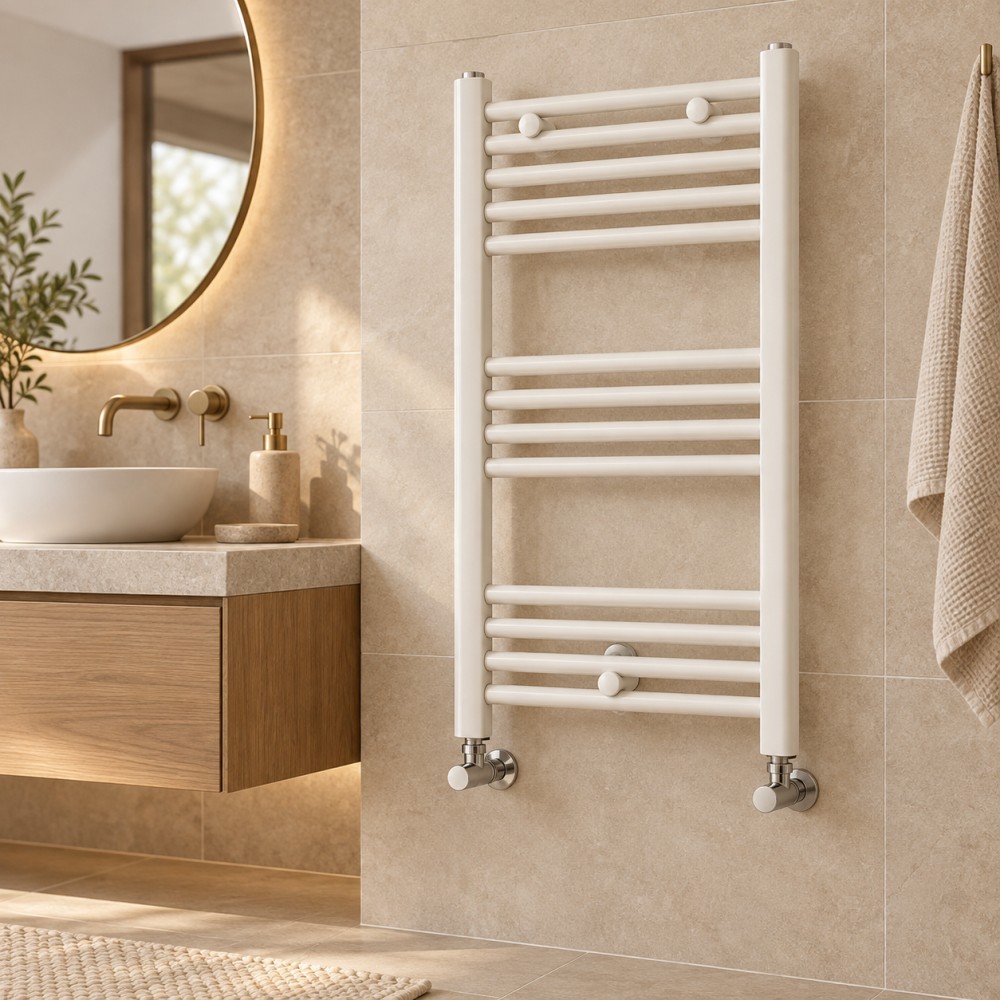
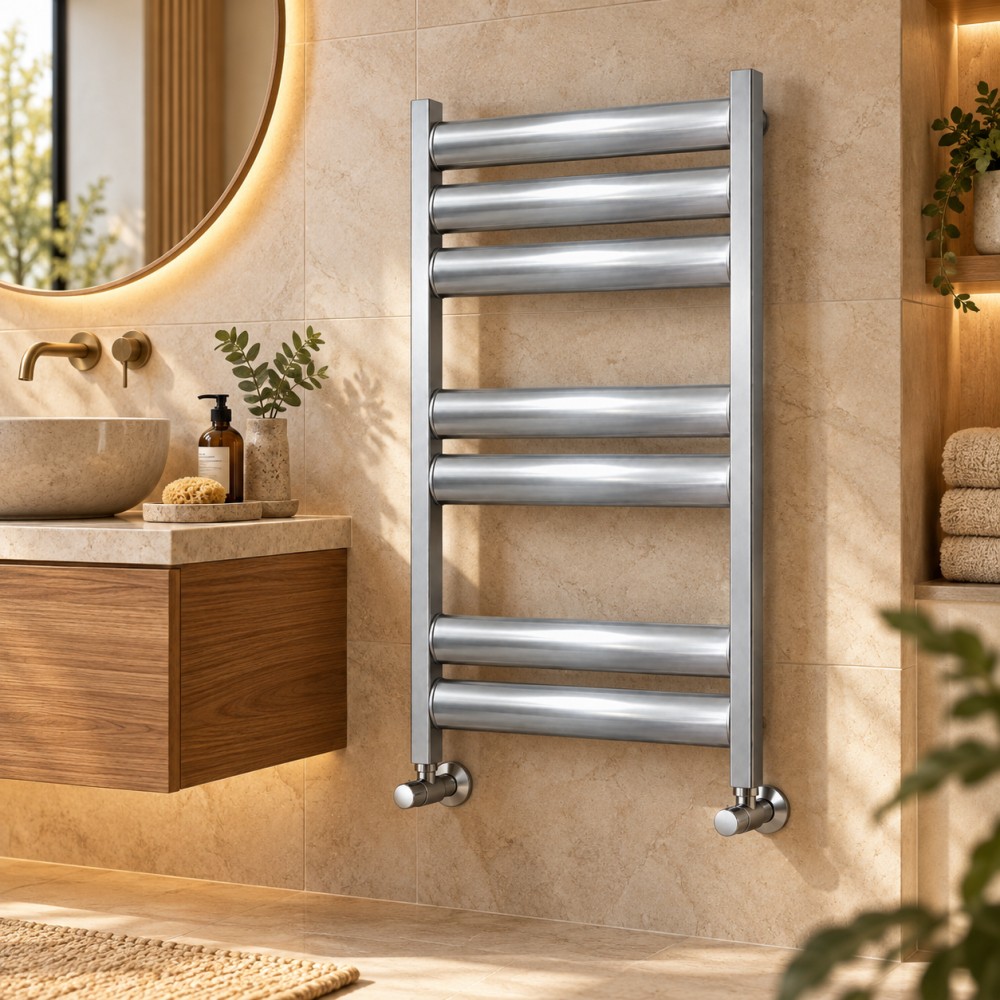
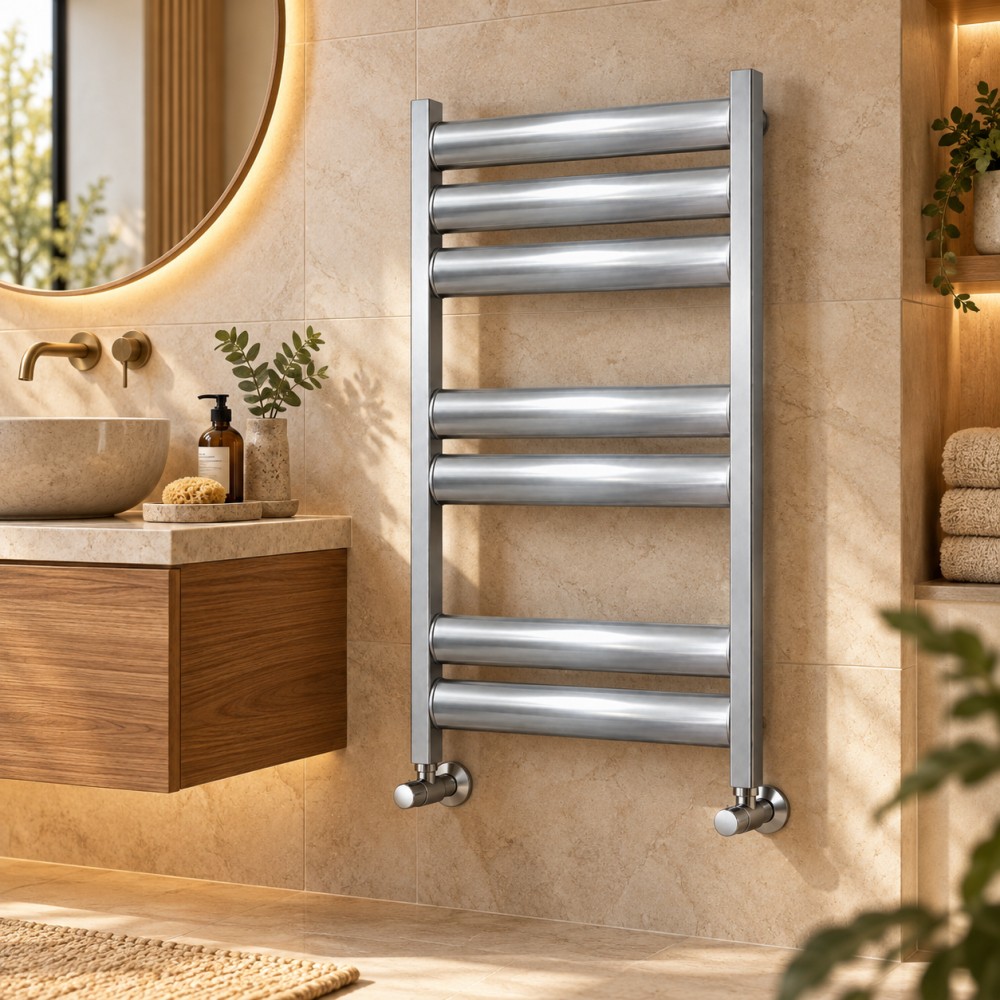
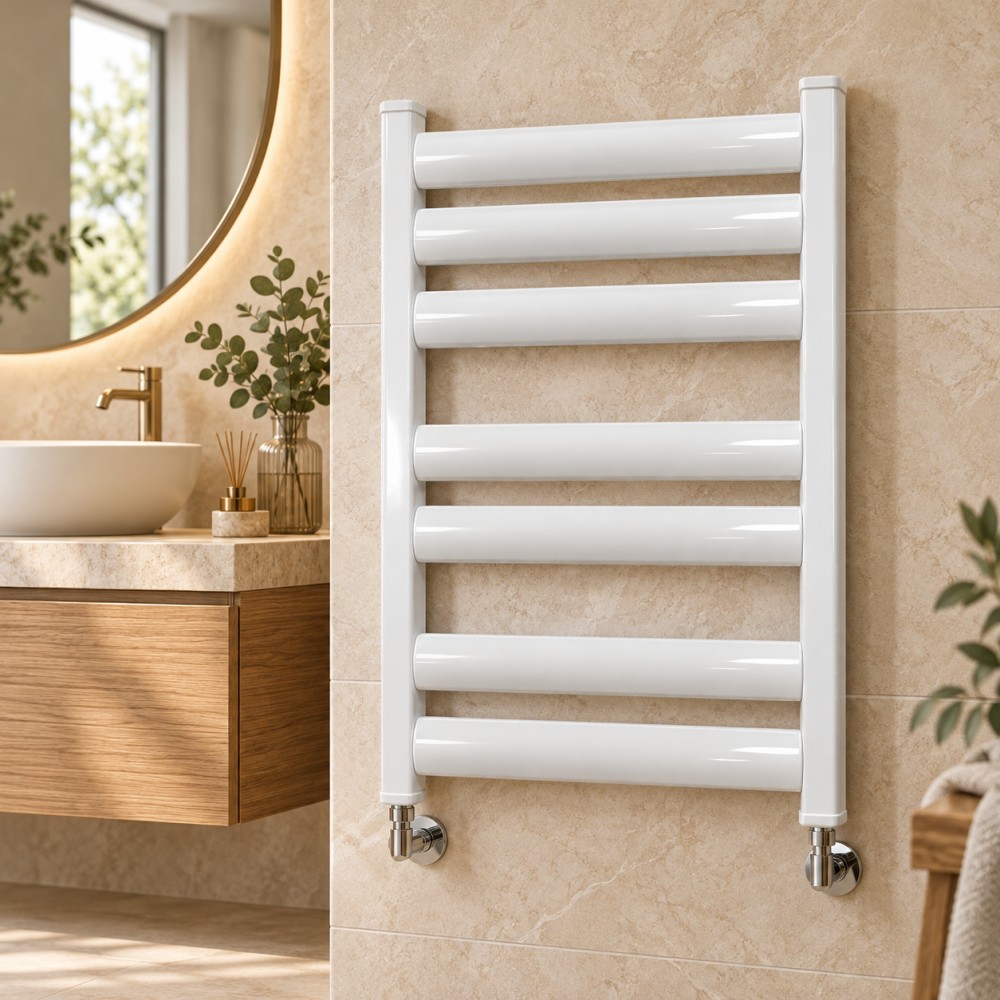
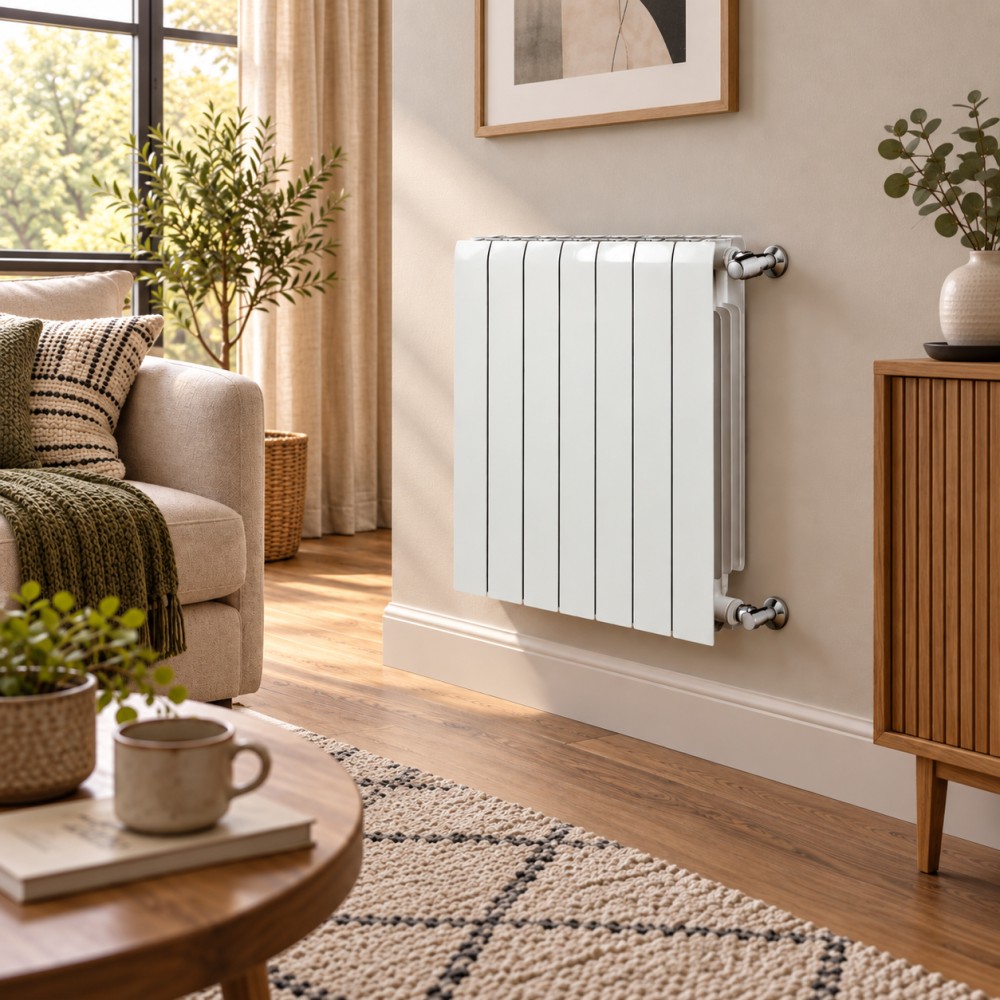
A radiator performs a technical function, but it remains permanently visible in the room.
Its height, proportions and placement therefore also influence the interior.
Contemporary home improvement treats heating equipment as part of space planning, rather than something added only after renovation is complete.
This connects functional equipment with ADELYO's wider home decor concept: practical products should also fit naturally within the overall visual style of the home.
Common mistakes to avoid
- choosing a radiator only by appearance;
- selecting the number of sections without calculating heat demand;
- assuming every radiator section has the same output;
- ignoring operating pressure;
- ignoring heating-system temperatures;
- planning the installation position too late;
- not checking the manufacturer's technical requirements.
How to choose an aluminium sectional radiator step by step
- Determine the room's heating requirement.
- Check the operating conditions of your heating system.
- Check the heat output of the specific radiator model.
- Calculate the required number of sections.
- Select an appropriate height and size.
- Check operating pressure and temperature.
- Consider connection and installation requirements.
- Finally, consider how the radiator fits into the interior.
Aluminium sectional radiators at ADELYO
At ADELYO, you can explore sectional radiators in different heights and designs.
Different dimensions make it possible to consider both the technical heating requirement and the proportions of the available wall space.
Sectional radiators are part of ADELYO's home improvement range, where heating and other functional products are connected with contemporary home design.
Frequently asked questions
Is an aluminium sectional radiator a good choice?
It can be a practical choice when its heat output, operating pressure, temperature range and other technical specifications are suitable for your heating system.
Do aluminium radiators heat up quickly?
Due to aluminium's thermal conductivity, the radiator can respond relatively quickly to changes in heating-system temperature.
How many sections are needed?
The required number should be calculated from the room's required heat output and the actual output per section of the selected radiator.
Is a tall or low radiator better?
Neither is universally better. The correct model should provide the required output and fit the intended installation space.
What should I check before buying?
Check heat output, dimensions, operating pressure, temperature conditions, connection type, installation requirements and system compatibility.